
Pleated Filter Cartridge Selection Guide for Various Industrial Applications
INTRODUCTION
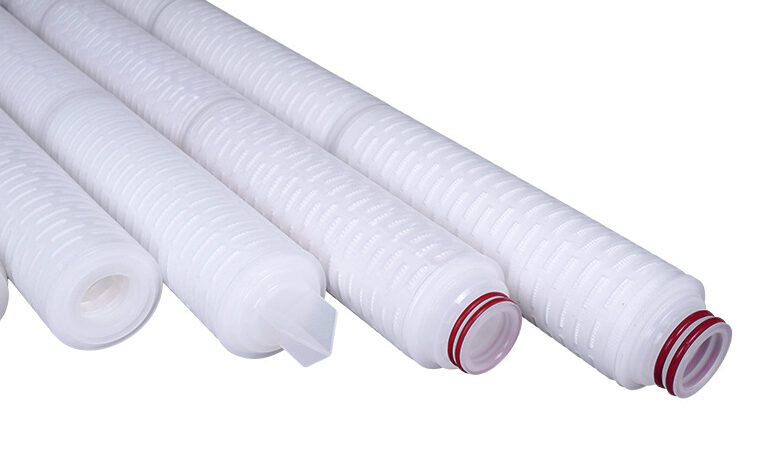
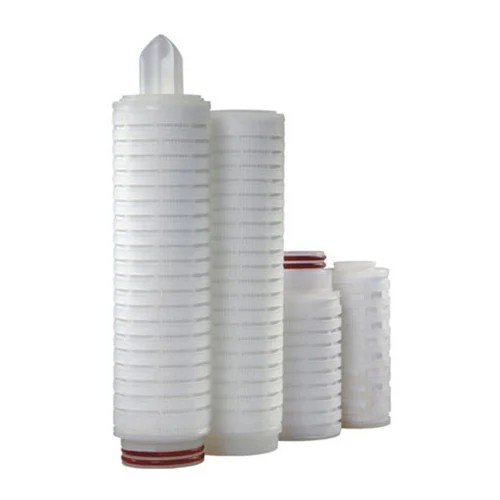
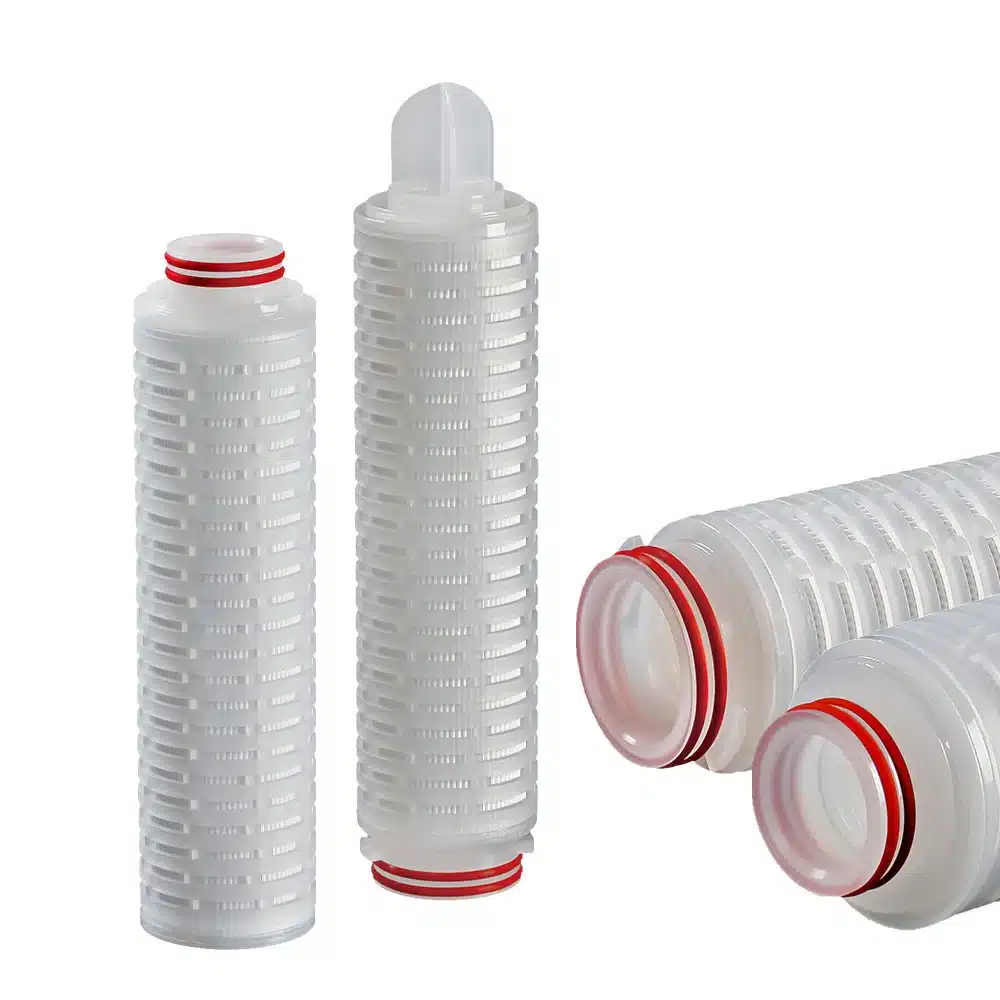
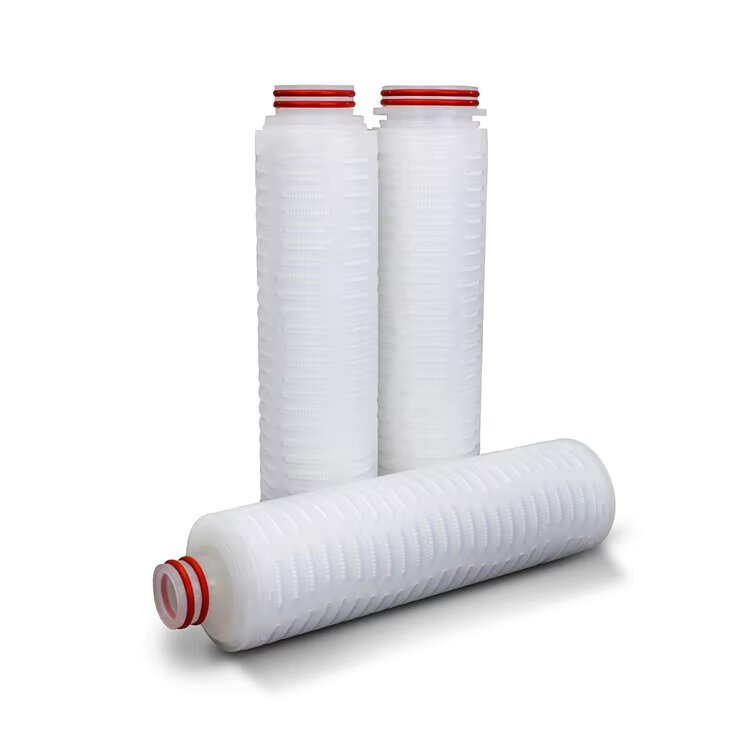
Pleated filter cartridges are widely used across industrial filtration systems due to their high filtration efficiency, large surface area, and stable performance under continuous operation. Compared with traditional depth filter cartridges, pleated designs offer lower pressure drop, longer service life, and more consistent particle retention.
In modern industrial processes, pleated filter cartridges are commonly applied in:
Water and wastewater treatment
Food and beverage processing
Pharmaceutical and biotechnology manufacturing
Chemical and petrochemical industries
Microelectronics and high-purity applications
Each industry presents unique filtration challenges, including different contaminants, operating conditions, regulatory requirements, and cost constraints. As a result, there is no universal pleated filter cartridge suitable for all applications. Correct selection requires a clear understanding of how industry-specific requirements influence cartridge design, materials, and performance parameters.
This guide provides a structured framework to help engineers, procurement specialists, and system designers select the most appropriate pleated filter cartridge for various industrial applications.
How Industry Type Affects Cartridge Selection
The industry in which a filtration system operates directly determines the key selection criteria for pleated filter cartridges. While micron rating and flow rate are universal considerations, their relative importance varies significantly by application.
Key Industry-Driven Factors:
Nature of contaminants (solids, colloids, microorganisms, gels)
Fluid characteristics (water-based, solvent-based, corrosive chemicals)
Operating temperature and pressure
Required cleanliness or purity level
Regulatory and compliance standards
System design and production continuity
For example:
In water treatment, cost efficiency and service life are often prioritized.
In pharmaceutical manufacturing, absolute filtration and material compliance are critical.
In chemical processing, chemical resistance and thermal stability dominate selection decisions.
Understanding these industry-driven differences is the foundation for making a technically sound and economically efficient cartridge selection.
3. Pleated Filter Cartridges for Water Treatment Systems
Typical Applications
Municipal water treatment
Industrial process water
Cooling water systems
Reverse osmosis pre-filtration
Wastewater polishing
Key Filtration Requirements
Water treatment applications generally require pleated filter cartridges that offer:
Reliable removal of suspended solids
Stable flow rate under continuous operation
Long service life to minimize replacement frequency
Cost-effective performance for large-scale systems
Recommended Micron Ratings
Pre-filtration: 5–20 microns (nominal)
Fine filtration / RO protection: 1–5 microns
Polishing filtration: ≤1 micron (application-dependent)
Preferred Filter Media
Polypropylene (PP) is the most widely used media due to its excellent chemical compatibility, mechanical strength, and economical cost.
For more demanding conditions, PVDF may be selected for improved durability.
Selection Notes
Nominal-rated cartridges are usually sufficient.
High-flow pleated cartridges are often chosen to reduce housing size and operational footprint.
Emphasis should be placed on low pressure drop and extended dirt-holding capacity.
4. Pleated Filter Cartridges for Food & Beverage Processing
Typical Applications
Beverage clarification (water, juice, beer, wine)
Ingredient filtration
Process water filtration
Final product polishing
Industry-Specific Requirements
Food and beverage filtration places strong emphasis on:
Hygiene and cleanliness
Consistent filtration performance
Compliance with food-contact regulations
Minimal impact on taste, color, and product quality
Recommended Micron Ratings
Pre-filtration: 5–10 microns
Final filtration: 0.45–1 micron (depending on product sensitivity)
Preferred Filter Media
Polypropylene (PP): Widely used, FDA-compliant, cost-effective
Nylon: Naturally hydrophilic, suitable for aqueous solutions
PVDF: Used when higher chemical resistance or durability is required
Selection Notes
FDA compliance is essential.
Absolute-rated cartridges may be required for final filtration.
Smooth surface and low extractables are preferred to maintain product integrity.
5. Pleated Filter Cartridges for Pharmaceutical Manufacturing
Typical Applications
Active pharmaceutical ingredient (API) filtration
Process water and purified water systems
Buffer and solution filtration
Final product filtration
Critical Filtration Requirements
Pharmaceutical applications represent one of the most demanding filtration environments, requiring:
High and consistent filtration efficiency
Absolute micron ratings
Strict material compliance and traceability
Validation and documentation support
Recommended Micron Ratings
Pre-filtration: 1–5 microns
Final filtration: 0.2–0.45 microns (absolute)
Preferred Filter Media
PVDF: Excellent chemical resistance and thermal stability
PTFE: Used for aggressive solvents or gas filtration
Nylon: Suitable for aqueous solutions
Selection Notes
Absolute-rated cartridges are mandatory.
USP Class VI and FDA compliance are often required.
Sterilization compatibility (steam or chemical) must be evaluated.
6. Pleated Filter Cartridges for Chemical & Industrial Filtration
Typical Applications
Chemical processing
Petrochemical production
Paints, coatings, and resins
Solvent filtration
Key Filtration Challenges
Chemical and industrial applications often involve:
Aggressive chemicals
High operating temperatures
Variable contamination levels
Continuous or batch operation modes
Recommended Micron Ratings
Broad range from 1 to 50 microns, depending on process stage
Often combined with staged filtration systems
Preferred Filter Media
PTFE: Best chemical compatibility and high temperature resistance
PVDF: Balanced option for chemical resistance and cost
PP: Suitable for mild chemicals and water-based processes
Selection Notes
Chemical compatibility is the primary selection driver.
Cartridge construction and seal materials are equally critical.
Pressure drop behavior must be carefully evaluated to avoid system instability.
7. Pleated Filter Cartridges for High-Purity Applications
Typical Applications
Microelectronics
Semiconductor manufacturing
High-purity water systems
Precision industrial processes
Filtration Requirements
High-purity applications demand:
Extremely low particle release
Consistent absolute filtration
Clean manufacturing environments
Low extractables and leachables
Recommended Micron Ratings
0.1–0.45 microns (absolute)
Preferred Filter Media
PTFE and PVDF are commonly used
Media cleanliness and production environment are critical
Selection Notes
Cartridge cleanliness level may be as important as micron rating.
Strict quality control and documentation are required.
Often used as final or point-of-use filtration.
8. Recommended Filter Media for Each Industry
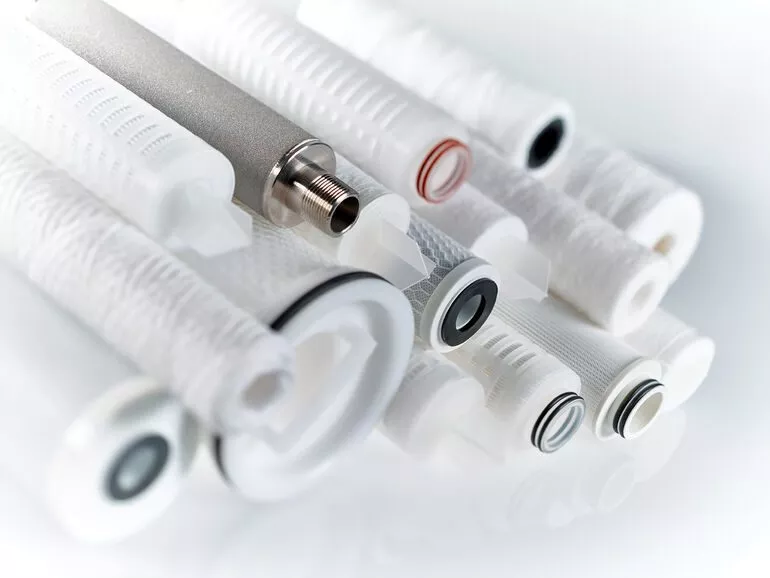
Selecting the correct filter media is one of the most critical decisions in pleated filter cartridge selection. While micron rating defines particle retention, filter media determines chemical compatibility, thermal stability, cleanliness, and long-term performance. Different industries place different demands on filter materials, making media selection a key differentiator between successful and problematic filtration systems.
Polypropylene (PP)
Key Characteristics
Excellent chemical resistance to acids, alkalis, and most solvents
Lightweight and mechanically stable
Cost-effective and widely available
Low extractables and leachables
Common Industry Applications
Water treatment and wastewater filtration
Food & beverage pre-filtration
General industrial process filtration
Why Choose PP
PP pleated filter cartridges offer an excellent balance between performance and cost. They are typically selected for high-volume systems where long service life and stable flow are required without excessive cost.
Polyvinylidene Fluoride (PVDF)
Key Characteristics
Superior chemical and thermal resistance
Available in hydrophilic and hydrophobic versions
Excellent durability under harsh operating conditions
Common Industry Applications
Pharmaceutical and biotechnology processes
Chemical processing and aggressive fluid filtration
High-purity water systems
Why Choose PVDF
PVDF pleated filter cartridges are often chosen when PP is insufficient to handle chemical exposure, temperature fluctuations, or sterilization requirements.
Nylon (Polyamide)
Key Characteristics
Naturally hydrophilic
High mechanical strength
Good compatibility with aqueous solutions and some solvents
Common Industry Applications
Food & beverage filtration
Pharmaceutical aqueous solution filtration
Process water and ingredient filtration
Why Choose Nylon
Nylon pleated cartridges are preferred where fast wetting and consistent flow are required, especially in applications involving water-based fluids.
Polytetrafluoroethylene (PTFE)
Key Characteristics
Outstanding chemical compatibility
High temperature resistance
Low surface energy and minimal adsorption
Common Industry Applications
Chemical and petrochemical filtration
Aggressive solvent and acid filtration
Gas filtration and high-purity applications
Why Choose PTFE
PTFE pleated filter cartridges are selected for the most demanding environments where other materials fail to maintain structural or chemical stability.
Industry-to-Media Selection Summary
| Industry | Common Media | Key Selection Drivers |
|---|---|---|
| Water Treatment | PP, PVDF | Cost efficiency, long service life |
| Food & Beverage | PP, Nylon, PVDF | Hygiene, compliance, low extractables |
| Pharmaceutical | PVDF, PTFE, Nylon | Absolute filtration, validation |
| Chemical Industry | PTFE, PVDF | Chemical resistance, temperature |
| High-Purity / Microelectronics | PTFE, PVDF | Cleanliness, particle control |
This mapping provides a practical reference for aligning industry requirements with appropriate filter media.
9. Industry Application Selection Checklist
Before finalizing a pleated filter cartridge for any industrial application, it is recommended to apply a structured selection checklist. This approach minimizes risk and ensures that all critical performance and compliance factors have been considered.
Application-Based Selection Checklist
Filtration Performance
Required micron rating (nominal or absolute)
Target filtration efficiency
Particle size distribution of contaminants
Operating Conditions
Operating pressure and temperature
Continuous or batch operation
Flow rate requirements
Material Compatibility
Fluid chemical composition
Cleaning and sterilization methods
Seal and gasket material compatibility
System Compatibility
Cartridge dimensions and housing fit
End cap configuration
Installation orientation
Compliance & Documentation
FDA or food-contact compliance
USP Class VI (if applicable)
Quality certificates and traceability
Economic Considerations
Expected service life
Replacement frequency
Total cost of ownership
Using this checklist helps ensure that the selected cartridge performs reliably throughout its service life while meeting both technical and regulatory expectations.
10. Conclusion & Internal Link Strategy
Conclusion
Selecting the right pleated filter cartridge for various industrial applications requires more than choosing a micron rating. It involves a comprehensive evaluation of industry-specific requirements, filter media performance, system design, operating conditions, and long-term cost implications.
By understanding how filtration needs differ across water treatment, food & beverage, pharmaceutical, chemical, and high-purity industries, engineers and procurement professionals can make informed decisions that enhance process reliability, protect downstream equipment, and optimize operational efficiency.
A structured, application-driven selection approach reduces filtration risks and ensures that pleated filter cartridges deliver consistent performance throughout their service life.
Recommended Filter Cartridges

 English
 Spanish