
OEM and Replacement Pleated Polypropylene Filter Cartridges
INTRODUCTION
Pleated polypropylene filter cartridges have become a cornerstone in modern filtration systems across various industries. From water treatment plants to food and beverage production, pharmaceutical manufacturing, and chemical processing, the need for efficient and reliable filtration is universal. For buyers, understanding the differences between OEM (Original Equipment Manufacturer) and replacement pleated polypropylene filter cartridges is critical to ensuring system performance, reducing downtime, and optimizing costs.
In this article, we will provide a comprehensive guide for buyers, covering the types of pleated polypropylene filter cartridges, key specifications, and practical tips for choosing the right OEM or replacement option. By the end, you will have a clear understanding of what to consider before making a purchase, helping you make informed decisions that benefit your operations.
Types of Pleated Polypropylene Filter Cartridges
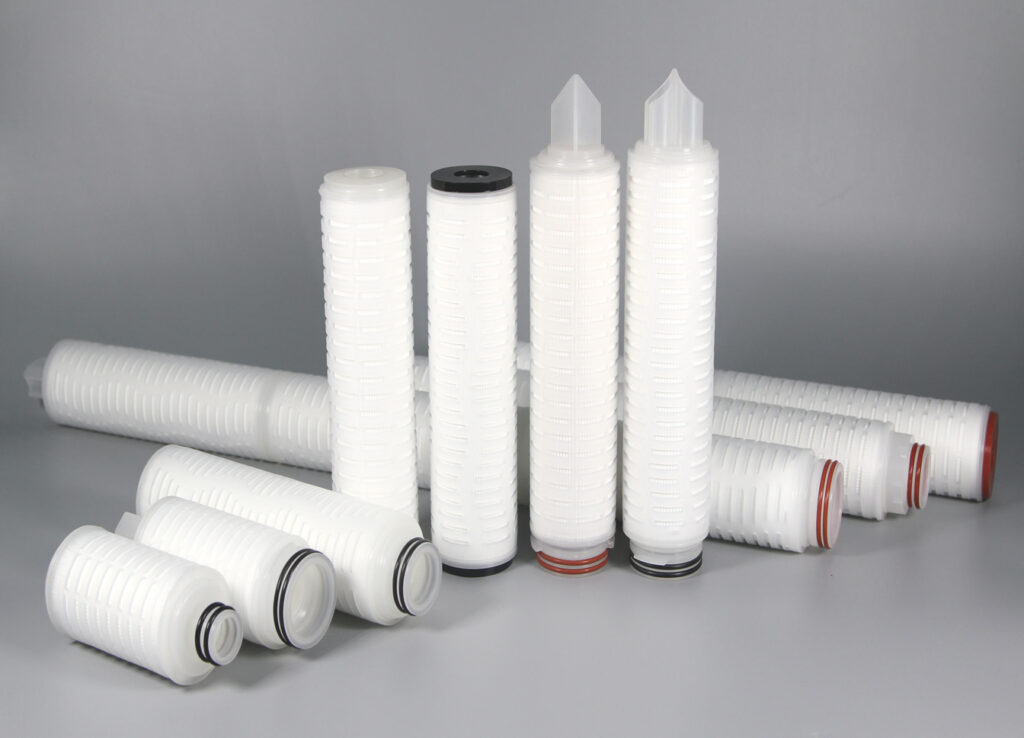
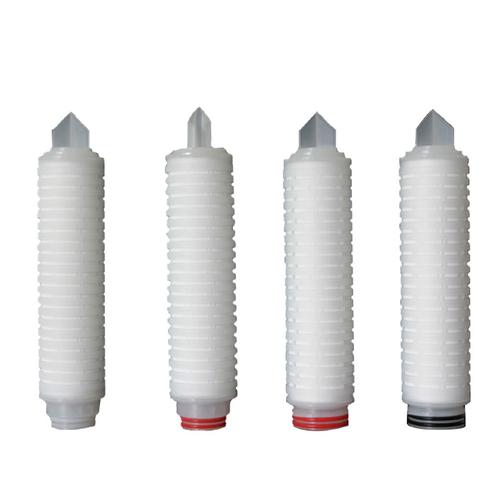
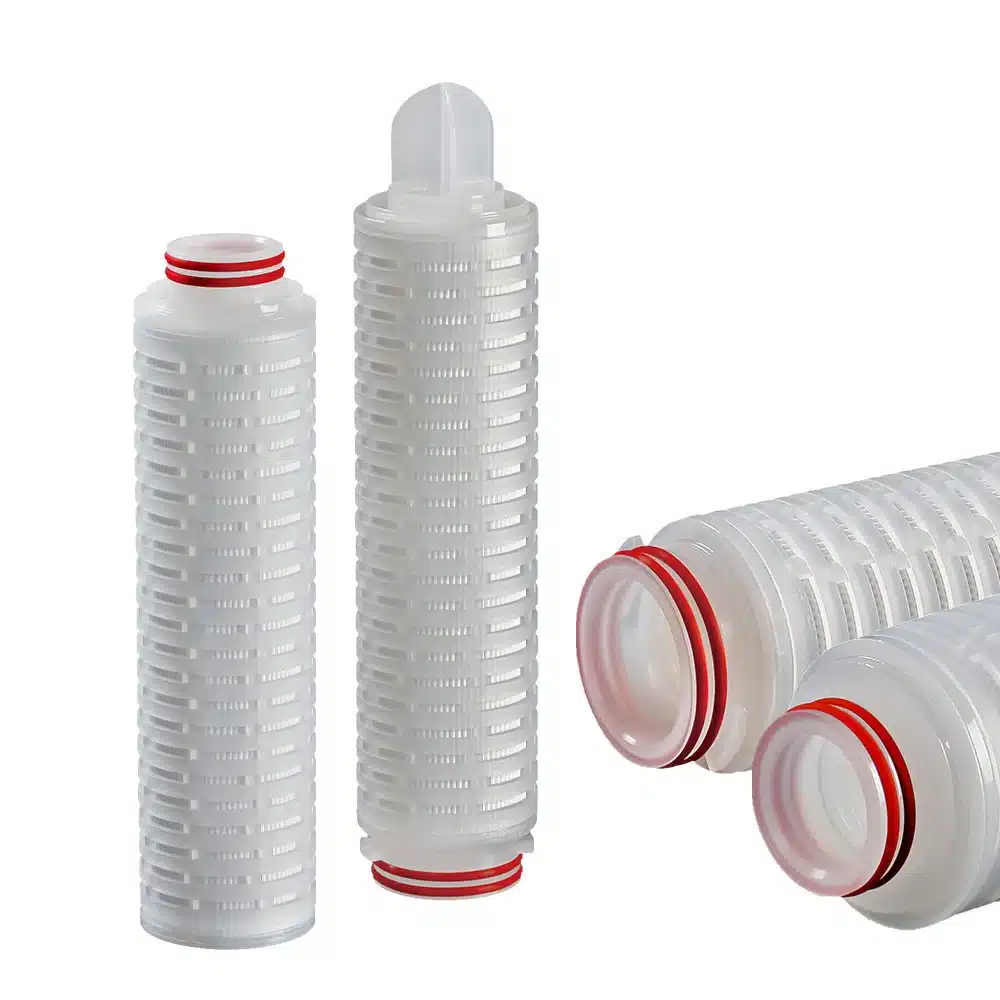
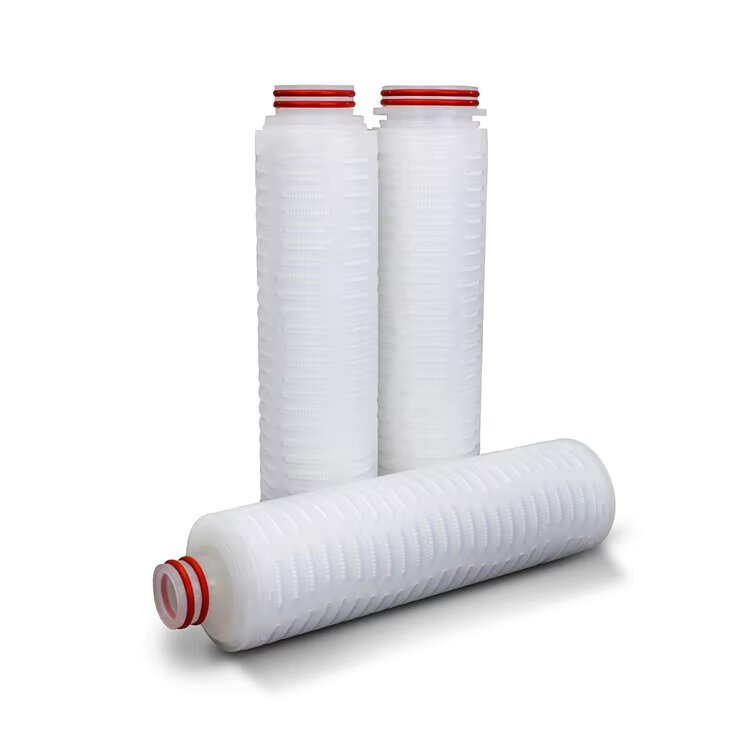
Pleated polypropylene filter cartridgesare designed to maximize filtration surface area, enhance flow rates, and extend the service life of the cartridge. These filters are made by pleating a polypropylene membrane or media, which increases the surface area without increasing the physical size of the cartridge.
1. Standard Pleated Polypropylene Cartridges
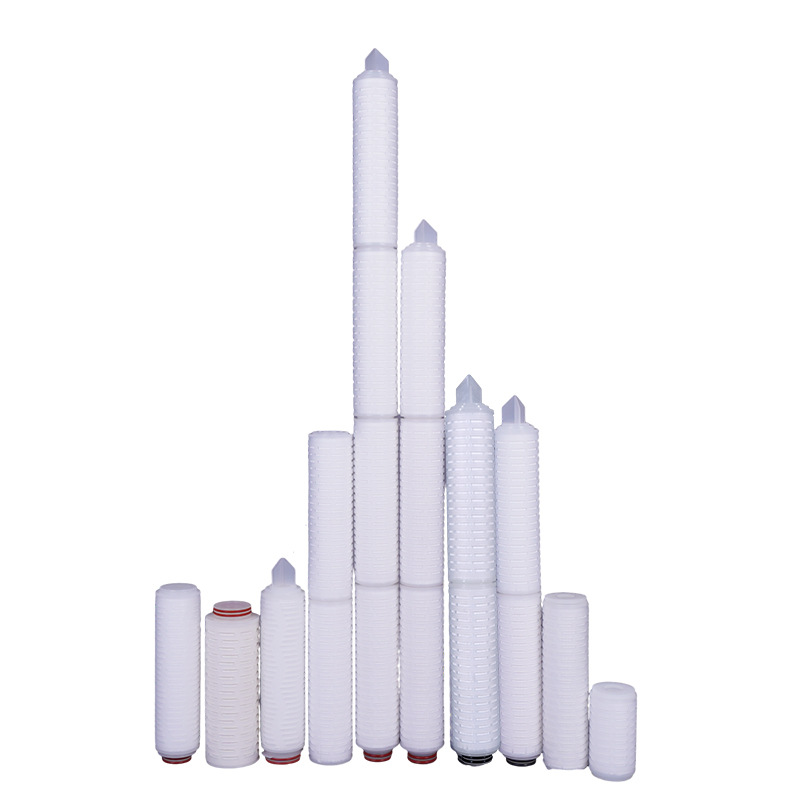
Standard pleated polypropylene filter cartridges are widely used for general water filtration, industrial liquid filtration, and pre-filtration applications. They typically feature a micron rating range from 0.5 to 50 microns, allowing users to capture various particle sizes. Key advantages include:
High dirt-holding capacity: The pleated design allows more debris to be captured without frequent replacements.
Chemical compatibility: Polypropylene is resistant to many acids, bases, and oxidizing agents, making it suitable for a broad range of applications.
Durability: These filters are robust and can withstand repeated backwashing in certain systems.
2. High-Flow Pleated Polypropylene Cartridges
High-flow designs are specifically engineered to handle larger volumes of liquid without compromising filtration efficiency. They are ideal for industrial applications where flow rate is critical, such as:
Large-scale water treatment plants
Beverage production lines
Chemical processing systems
High-flow cartridges achieve superior performance by increasing the pleat density and overall surface area. This reduces pressure drop across the filter while maintaining filtration efficiency.
3. Single-Layer vs Double-Layer Cartridges
Single-layer cartridges are typically used in applications with consistent particle sizes and lower contamination levels.
Double-layer or multi-layer cartridges provide gradient filtration, where larger particles are captured in the outer layer and finer particles in the inner layer. This design extends service life and reduces maintenance frequency.
Understanding the type of pleated polypropylene filter cartridge needed is the first step toward selecting an OEM or replacement product that meets your system’s requirements.
Evaluating Quality and Performance
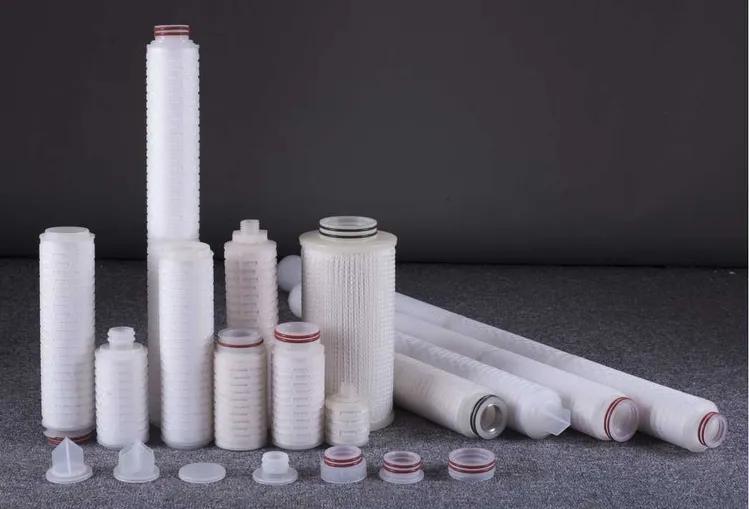
When choosing pleated polypropylene filter cartridges, quality and performance evaluation is crucial. Buyers must pay attention to several technical aspects to ensure they select a cartridge that meets operational requirements.
1. Filtration Efficiency
Filtration efficiency is determined by the micron rating and the quality of the polypropylene media. High-quality cartridges are manufactured to provide consistent particle removal, preventing contamination downstream. Consider the following:
Micron rating selection: Choose a micron rating appropriate for your application, e.g., 0.5–1 micron for fine filtration, 5–10 microns for general purpose filtration.
Certification standards: Look for cartridges compliant with ISO, FDA, or NSF standards, depending on industry requirements.
2. Flow Rate and Pressure Drop
Flow rate and pressure drop are key performance indicators for pleated polypropylene filter cartridges. A high-quality cartridge should allow adequate liquid flow while maintaining minimal pressure drop, ensuring system efficiency. Key considerations include:
Surface area: More pleats mean higher surface area and better flow performance.
Core support: Reinforced cores prevent collapse under high pressure conditions.
System compatibility: Ensure the cartridge meets your pump capacity and piping requirements.
3. Chemical and Temperature Resistance
Polypropylene is generally resistant to acids, bases, and oxidizing agents, but buyers should verify the compatibility of the filter cartridge with the specific liquid being processed. Additionally, maximum operating temperatures should be considered:
Standard polypropylene filters: Typically handle up to 80°C (176°F) continuously.
Modified or reinforced polypropylene: Can tolerate slightly higher temperatures or specific chemical environments.
Proper evaluation ensures that the cartridge performs reliably without premature failure, reducing operational costs and avoiding contamination risks.

OEM and Replacement Considerations
Understanding the difference between OEM and replacement pleated polypropylene filter cartridges is critical for buyers. Both options have distinct advantages depending on application and budget.
1. OEM Cartridges
OEM cartridges are manufactured by the original equipment producer of your filtration system. Advantages include:
Guaranteed compatibility: OEM cartridges are designed to match the original system specifications.
Consistent quality: They meet the manufacturer’s performance standards and testing requirements.
Warranty coverage: Using OEM cartridges often ensures that system warranties remain valid.
However, OEM cartridges may be more expensive and sometimes have longer lead times compared to aftermarket replacements.
2. Replacement (Aftermarket) Filter Cartridges
Replacement filter cartridges, often referred to as aftermarket or third-party cartridges, are produced by independent manufacturers. Advantages include:
Cost-effectiveness: Replacement cartridges are generally more affordable than OEM options.
Availability: Easier to source and usually stocked in larger quantities.
Customization options: Some manufacturers offer cartridges tailored for specific industrial applications.
When considering replacement cartridges, it is essential to verify:
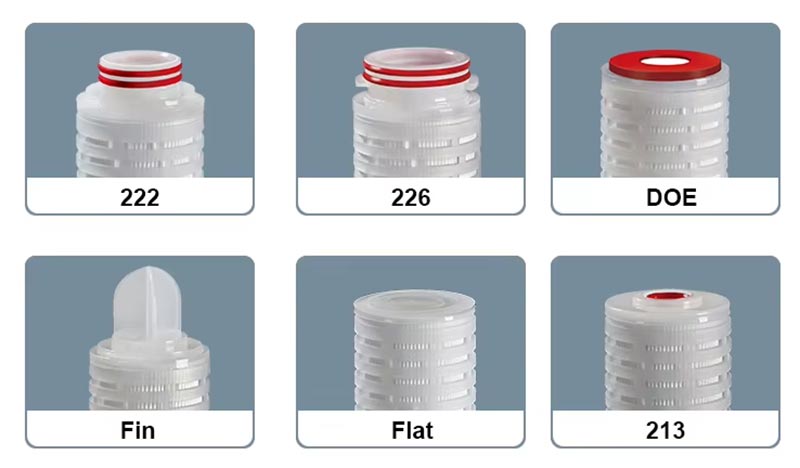
Dimensional accuracy: Ensure the cartridge fits the system properly.
Filtration performance: Check micron ratings and dirt-holding capacity.
Material quality: Confirm polypropylene media meets chemical and temperature requirements.
Tips for Long-Term Usage
Purchasing the right pleated polypropylene filter cartridge is only part of the equation. Proper usage and maintenance are crucial for maximizing performance and lifespan.
1. Storage and Handling
Store cartridges in a clean, dry environment.
Avoid exposure to direct sunlight or high humidity.
Handle carefully to prevent physical damage to pleats or end caps.
2. Regular Inspection and Replacement
Monitor pressure differential across the filter to determine when replacement is needed.
Replace cartridges before excessive pressure drop or contamination occurs.
Keep records of replacement intervals to optimize maintenance schedules.
3. System Optimization
Use pre-filtration or multi-stage filtration systems to reduce the load on pleated polypropylene filter cartridges.
Implement proper flushing and backwashing routines if applicable.
Ensure all connections are sealed correctly to prevent bypass of unfiltered liquid.
Conclusion
Pleated polypropylene filter cartridges are essential components in modern filtration systems, offering high efficiency, durability, and chemical compatibility. Understanding the differences between OEM and replacement cartridges, evaluating technical specifications, and implementing proper maintenance practices are key for buyers seeking reliable filtration solutions.
By carefully considering micron ratings, flow rates, chemical resistance, and system compatibility, buyers can select pleated polypropylene filter cartridges that optimize performance, reduce downtime, and provide long-term value. Whether choosing OEM or aftermarket replacements, prioritizing quality and supplier credibility ensures that your filtration system continues to operate effectively across various industrial applications.
Recommended Filter Cartridges

 English
 Spanish