
Membrane Filter Integrity Test: Choosing the Right Method for Your Application

INTRODUCTION
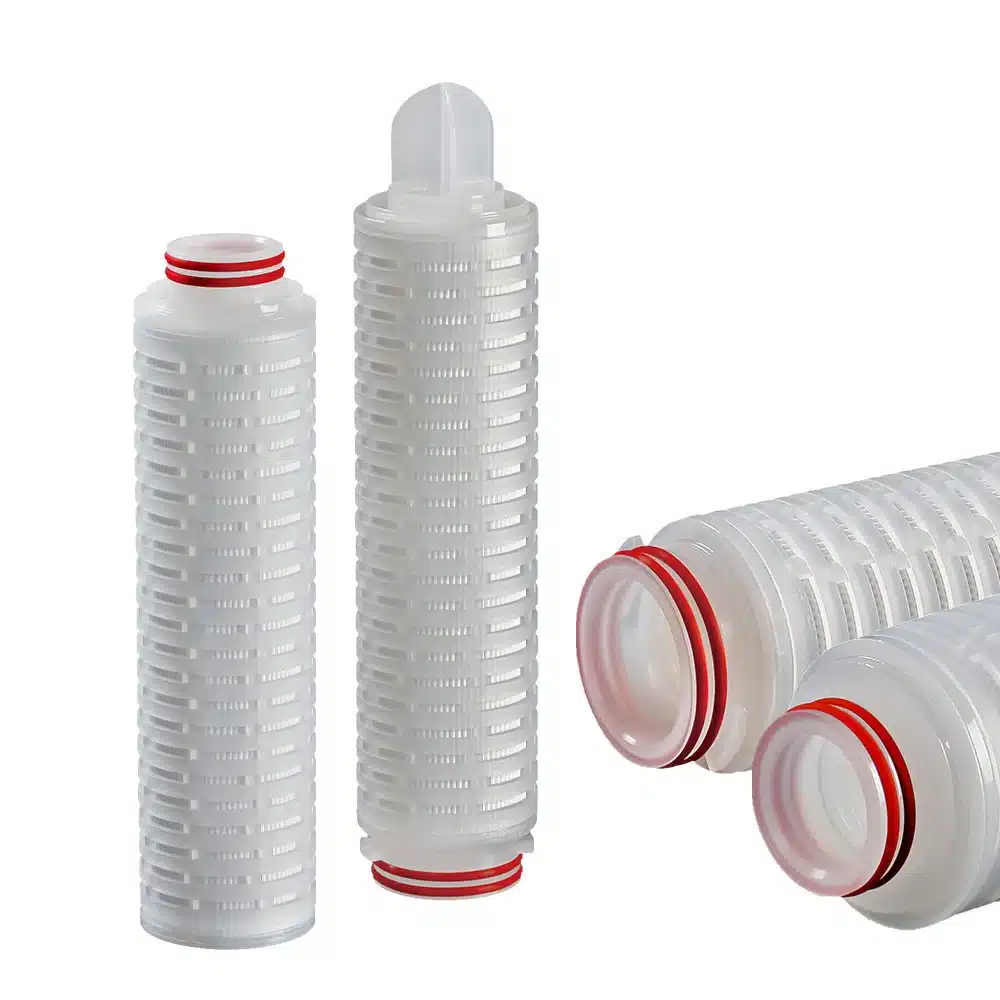
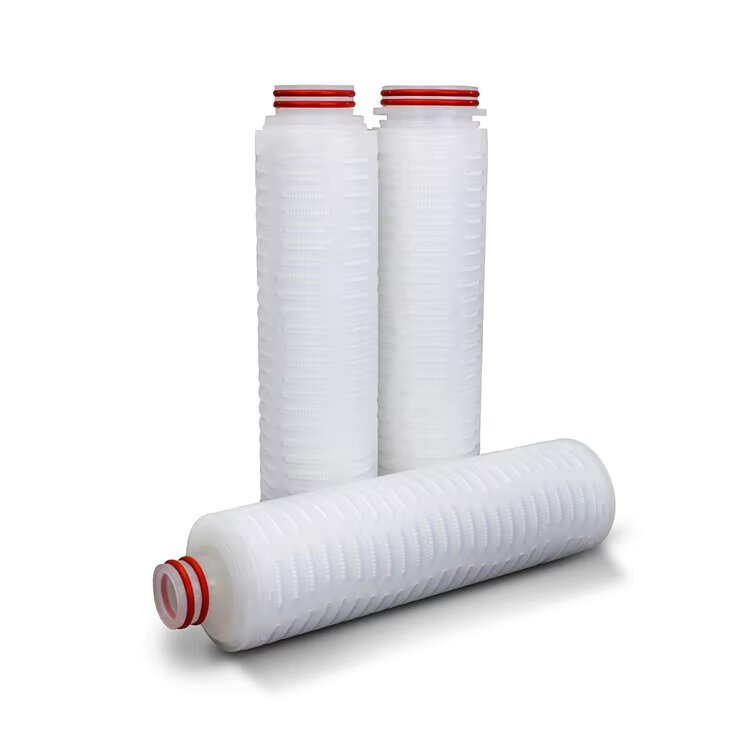
Clean water does not happen by chance — it is the result of a carefully engineered purification process where every component plays a vital role. Among these, pleated filter cartridges act as the silent protectors that capture impurities, sediments, and microorganisms before they reach the end user.
In today’s competitive water treatment market, the quality of filtration components directly impacts the efficiency and reliability of the entire system. For engineers, buyers, and distributors, understanding how to select the right pleated filter cartridge is not only about product specifications but also about long-term cost, compatibility, and sustainability.
This buyer’s guide explores everything you need to know — from filtration principles to practical purchasing strategies — to help you make the smartest investment for your water purification system.
Overview of Common Testing Methods
There are several standardized methods used for membrane filter integrity testing. Each method has its own principles, advantages, and limitations. The most commonly employed techniques include:
1. Bubble Point Test
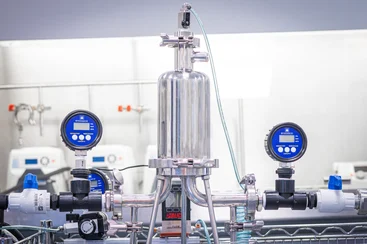
The bubble point test is based on measuring the pressure required to force a gas through a wet membrane. This method evaluates the largest pore in the filter, indicating whether the filter is intact and capable of retaining microorganisms.
Advantages: Highly sensitive to membrane defects; widely accepted by regulatory agencies like FDA and USP.
Applications: Sterile filtration in pharmaceutical production, biopharmaceuticals, and high-purity water systems.
2. Pressure Decay / Diffusion Test
Also known as the pressure hold test, this method measures the rate of gas diffusion through a wetted membrane under controlled pressure. A low diffusion rate indicates a properly functioning filter.
Advantages: Non-destructive; allows the filter to remain in service after testing.
Applications: Bioprocessing, water filtration, and other scenarios where destructive testing is impractical.
3. Water Intrusion Test
In the water intrusion test, a liquid is forced through the membrane at high pressure, and any breakthrough indicates a defect. This test is less commonly used for routine QC but is sometimes applied for validation purposes.
Advantages: Can detect larger defects that might be missed by other methods.
Limitations: Potentially destructive to the membrane; not ideal for reusable filters.
Comparing Methods
When selecting a membrane filter integrity test, it is important to consider the following factors:
| Test Method | Accuracy & Sensitivity | Ease of Use | Cost | Industry Applicability |
|---|---|---|---|---|
| Bubble Point Test | High | Moderate | Moderate | Pharmaceuticals, Biotech, Food & Beverage |
| Pressure Decay Test | Moderate-High | Easy | Low-Moderate | Bioprocessing, Water Systems |
| Water Intrusion Test | Moderate | Complex | Moderate-High | Validation / Special Applications |
Key Points for Consideration:
Accuracy & Sensitivity: Bubble point is the gold standard for microbial retention, while pressure decay is adequate for non-destructive routine testing.
Ease of Use: Pressure decay is simpler and can be automated, reducing operator errors.
Cost & Equipment: Consider the investment in testing instruments; bubble point devices are generally more specialized.
Industry Requirements: Regulatory agencies may specify preferred methods; for example, USP <1231> recommends bubble point for sterilizing-grade filters.
Case Studies / Examples
Pharmaceutical Sterile Filtration
In pharmaceutical production, a bubble point test is often mandatory before releasing sterile filtrates. Filters used in sterile drug manufacturing must consistently retain bacteria and other microorganisms, and bubble point testing ensures compliance with FDA and USP standards.
Bioprocessing & Fermentation
During bioprocessing, pressure decay testing is favored because it is non-destructive and can be performed on-line, allowing continuous monitoring of membrane integrity without interrupting production.
Ultrapure Water Systems
For high-purity water applications, such as in microelectronics or laboratory water systems, a combination of pressure decay and periodic bubble point tests ensures both operational efficiency and regulatory compliance.
Choosing the Right Membrane Filter Integrity Test for Your Needs
Selecting the appropriate membrane filter integrity test depends on several factors, including industry standards, filter type, operational requirements, and regulatory compliance. Here are the key considerations:
1. Regulatory Compliance
Pharmaceutical and biopharmaceutical industries must follow standards such as USP <1231>, EP, and FDA guidance, which often require bubble point testing for sterilizing-grade filters.
Food & beverage applications may have less strict regulatory requirements, allowing for pressure decay or diffusion testing to verify filter performance.
2. Filter Type and Pore Size
Sterile filters (0.2 µm – 0.45 µm) require highly sensitive testing methods like the bubble point test.
Process water or pre-filters may be effectively monitored with pressure decay or diffusion tests, which are non-destructive and suitable for routine verification.
3. Operational Constraints
Non-destructive testing is ideal for high-value or large-scale filters to avoid downtime and wastage. Pressure decay is often preferred in these scenarios.
Batch verification or validation stages may tolerate destructive testing, where water intrusion or bubble point testing provides highly accurate results.
4. Equipment Availability and Cost
Bubble point testers are specialized instruments and may require trained operators.
Pressure decay testers can often be automated and integrated into existing production lines, reducing labor and increasing efficiency.
Consider both upfront investment and long-term operational efficiency when choosing the test method.
Best Practices for Membrane Filter Integrity Testing
Establish Standard Operating Procedures (SOPs)
Document step-by-step procedures for each test method.
Include calibration schedules, safety precautions, and acceptable limits.
Routine Testing Frequency
Conduct integrity testing before filter use, after sterilization, and at defined intervals for long-term operations.
Record Keeping
Maintain test results, equipment calibration records, and corrective actions for audit compliance.
Combine Methods if Necessary
Some facilities use pressure decay for routine checks and bubble point for validation or release to balance accuracy, efficiency, and cost.
Conclusion
A membrane filter integrity test is an essential part of quality assurance in industries where sterile filtration and contamination control are critical. Choosing the right testing method ensures:
Reliable microbial retention
Compliance with regulatory standards
Efficient production without unnecessary downtime
Key Takeaways:
Bubble Point Test: Gold standard for sterilizing-grade filters; high sensitivity.
Pressure Decay / Diffusion Test: Non-destructive, easy to automate, suitable for routine verification.
Water Intrusion Test: Rarely used for routine checks; best for special validation needs.
By carefully evaluating regulatory requirements, filter type, operational constraints, and equipment availability, companies can implement the most effective membrane filter integrity testing program, ensuring product safety, operational efficiency, and compliance.
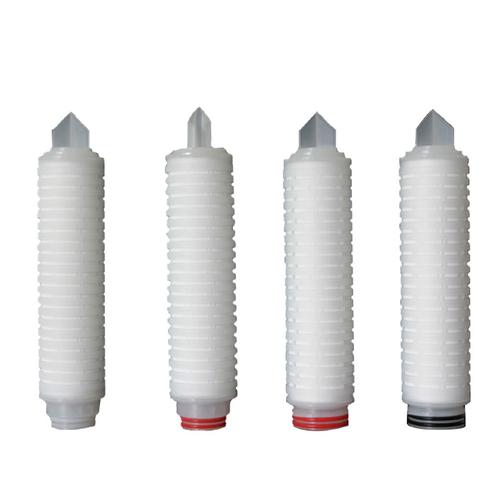
Recommended Filter Cartridges

 English
 Spanish