
Diffusion Test for Filter Integrity: Principles, Procedures, and Applications

INTRODUCTION
In industries where sterile filtration and high-purity water systems are essential, ensuring the integrity of membrane filters is a critical aspect of quality control. A compromised filter can lead to contamination, compromised product safety, and regulatory non-compliance.
Among various integrity testing methods, the diffusion test for filter integrity has become a widely accepted non-destructive method. This test evaluates the flow of gas through a wetted membrane to verify whether the filter is intact and capable of retaining microorganisms. By understanding its principles, procedures, and applications, manufacturers can implement robust quality assurance programs and maintain compliance with regulatory standards.
What is Diffusion Test for Filter Integrity?
The diffusion test is a method used to assess the integrity of membrane filters by measuring the rate of gas diffusion through a wetted filter. Unlike destructive tests, the diffusion test allows the filter to remain in service after testing, making it particularly valuable for high-cost or reusable filters.
Key characteristics of the diffusion test include:
Non-destructive nature: The filter remains intact for continued use after testing.
Measurement of pore consistency: Ensures that the filter’s pore size distribution remains within specification.
Comparison to bubble point testing: While the bubble point test identifies the largest pore in the filter, the diffusion test measures gas flow through the entire membrane to detect leaks or defects.
Industries such as pharmaceuticals, biotechnology, food and beverage, and water treatment rely on diffusion testing to maintain product safety and process reliability.
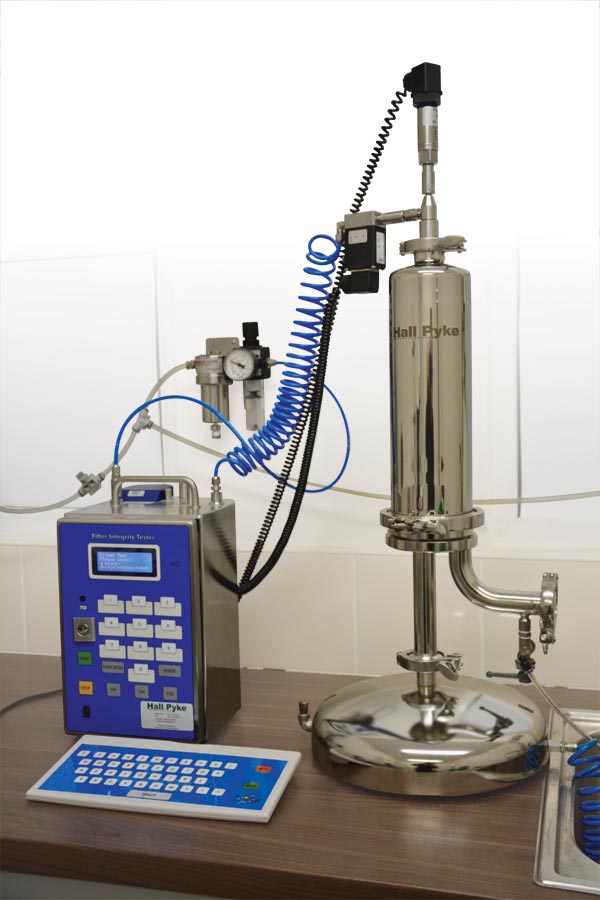
Principles of Diffusion Test
The diffusion test is based on the permeation of gas through a wetted membrane under controlled pressure conditions. The membrane is first saturated with a wetting liquid, which fills the pores. Gas is then applied at a defined pressure, and the flow rate is monitored.
Key principles include:
Pressure-driven gas flow: Gas is applied at a pressure below the bubble point, allowing only diffusion through intact pores.
Gas flow measurement: The flow rate of gas escaping through the filter is measured and compared against established limits.
Integrity assessment: A flow rate within the acceptable range indicates that the filter is intact. Excessive flow suggests the presence of defects or leaks.
By interpreting these measurements, operators can determine whether a filter meets the required integrity standards and is suitable for use in critical processes.
Step-by-Step Testing Procedure
Conducting a diffusion test requires careful preparation, proper equipment, and adherence to established procedures. The following steps outline a typical diffusion test for filter integrity:
Equipment Preparation
A diffusion test system with a gas supply (commonly nitrogen or air)
Pressure regulators, flow meters, and data acquisition devices
Proper calibration of the test equipment according to manufacturer guidelines
Filter Preparation
Saturate the filter with the recommended wetting fluid (e.g., water, alcohol solution)
Ensure that the filter is properly installed in the test housing
Testing Procedure
Apply gas at a defined test pressure, typically below the filter’s bubble point
Monitor the rate of gas diffusion through the filter
Compare measured values against the filter manufacturer’s specified acceptance criteria
Interpreting Results
Pass: Gas flow is within the acceptable range, indicating an intact filter
Fail: Gas flow exceeds limits, suggesting leaks, pinholes, or other defects
Document results for quality assurance and regulatory compliance
Post-Test Actions
Filters that pass may continue in service
Failed filters should be removed, investigated, and replaced
Maintain records in accordance with standard operating procedures (SOPs) and audit requirements
Applications in Industry
The diffusion test for filter integrity is used across several critical industries:
Pharmaceutical Sterile Filtration
Ensures microbial retention in sterile drug production
Commonly applied to 0.2 µm sterilizing-grade filters
Reduces risk of contamination and ensures compliance with USP, EP, and FDA standards
Bioprocessing & Biotechnology
Non-destructive testing allows verification of reusable filters in fermenters or bioreactors
Helps maintain consistent product quality and prevents costly downtime
Water Purification & Ultrapure Water Systems
Used to monitor ultrafiltration and reverse osmosis pre-filters
Ensures water systems maintain the required purity levels for laboratory, pharmaceutical, or electronic applications
Advantages and Limitations
Advantages:
Non-destructive testing allows filters to remain in use
Suitable for routine quality control
Provides reliable detection of leaks or defects across the membrane
Limitations:
Less sensitive than bubble point testing for detecting the absolute largest pore
Requires precise equipment calibration for accurate measurements
Test conditions (pressure, wetting fluid, temperature) must be strictly controlled

Regulatory Guidelines and Compliance
Ensuring compliance with regulatory standards is essential when performing a diffusion test for filter integrity, particularly in highly regulated industries such as pharmaceuticals and biotechnology. Key guidelines include:
USP <1231> – Sterilizing Filtration
Specifies requirements for microbial retention tests and integrity verification
Diffusion tests are recognized as a non-destructive method for routine filter testing
FDA Guidance
FDA emphasizes routine verification of sterile filters to ensure patient safety
Diffusion tests help satisfy regulatory inspections without compromising filters
European Pharmacopoeia (EP)
Provides standards for membrane filters used in pharmaceutical production
Defines acceptance criteria for flow rates and defect detection
Documentation Requirements
Record all test conditions, results, and equipment calibration
Maintain SOPs and validation reports for audits
Ensure traceability for all tested filters
By adhering to these regulatory standards, facilities can ensure that their diffusion test procedures are compliant and defensible during inspections or audits.
Best Practices and Tips
Implementing a robust diffusion test for filter integrity program requires attention to detail and adherence to best practices:
Calibration and Maintenance of Equipment
Regularly calibrate pressure regulators, flow meters, and data logging systems
Verify that wetting fluids are within specifications
Testing Frequency
Perform integrity tests before filter use, after sterilization, and at defined intervals for long-term operations
Adjust frequency based on risk assessment and regulatory guidance
Environmental Considerations
Conduct testing under controlled temperature and humidity conditions to ensure accuracy
Avoid vibrations or pressure fluctuations during the test
Troubleshooting Common Issues
High flow readings may indicate leaks, improper wetting, or damaged filters
Ensure proper seating of filters in housings and check for air bubbles
Re-test filters that fail after correcting setup errors
Combining Methods
Some facilities combine diffusion testing with bubble point testing for enhanced verification
Use diffusion testing for routine non-destructive checks and bubble point testing for final validation or release
Conclusion
The diffusion test for filter integrity is a critical component of quality assurance in industries that require sterile or high-purity filtration. This non-destructive testing method provides:
Reliable verification of filter integrity
Protection against contamination and product failure
Compliance with regulatory standards such as USP <1231>, FDA, and EP
Key Takeaways:
Diffusion testing measures gas flow through wetted membranes to detect leaks or defects.
It is non-destructive, making it ideal for routine testing of high-value or reusable filters.
Understanding regulatory requirements and following best practices ensures accurate results and audit compliance.
By implementing a comprehensive diffusion test program, facilities can maintain operational efficiency, product safety, and regulatory adherence while minimizing filter downtime and waste.
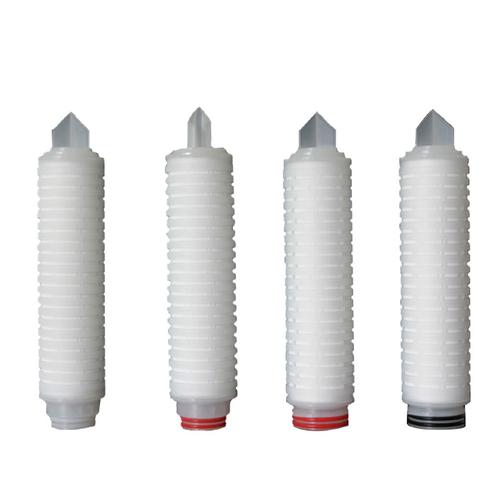
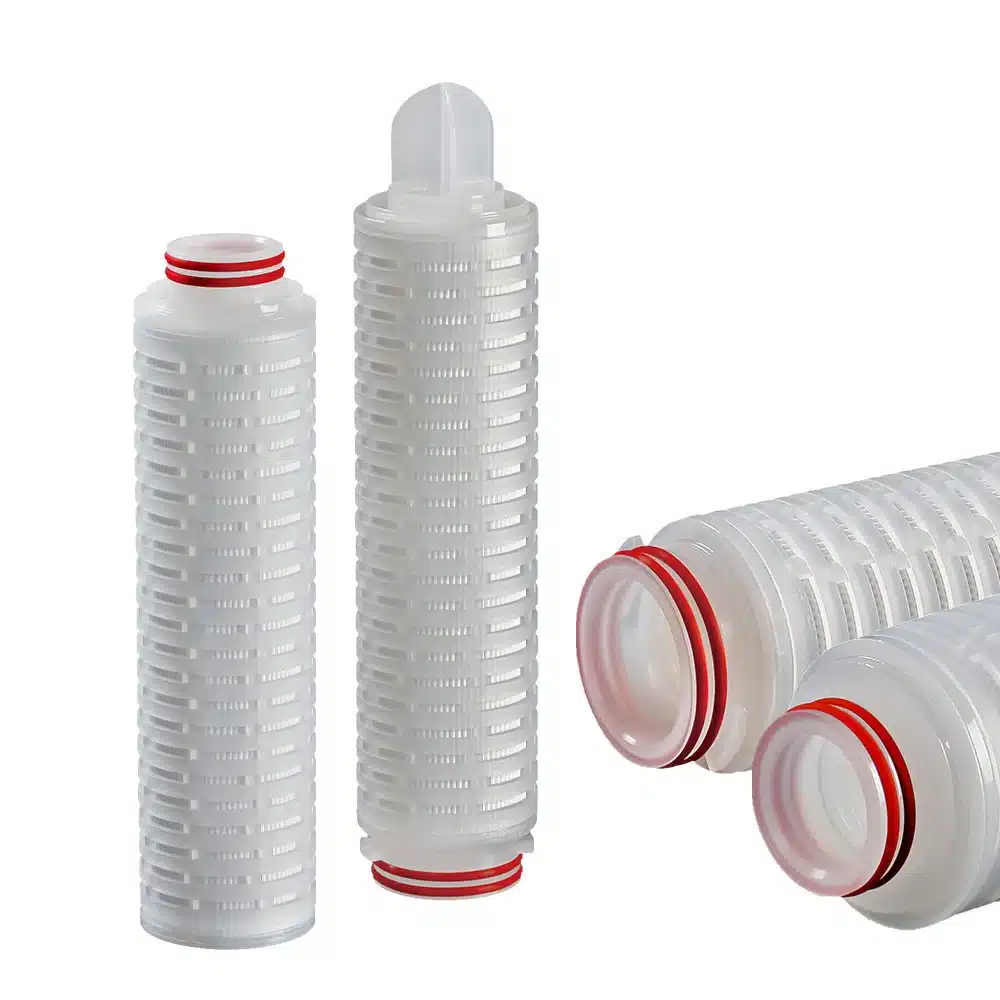
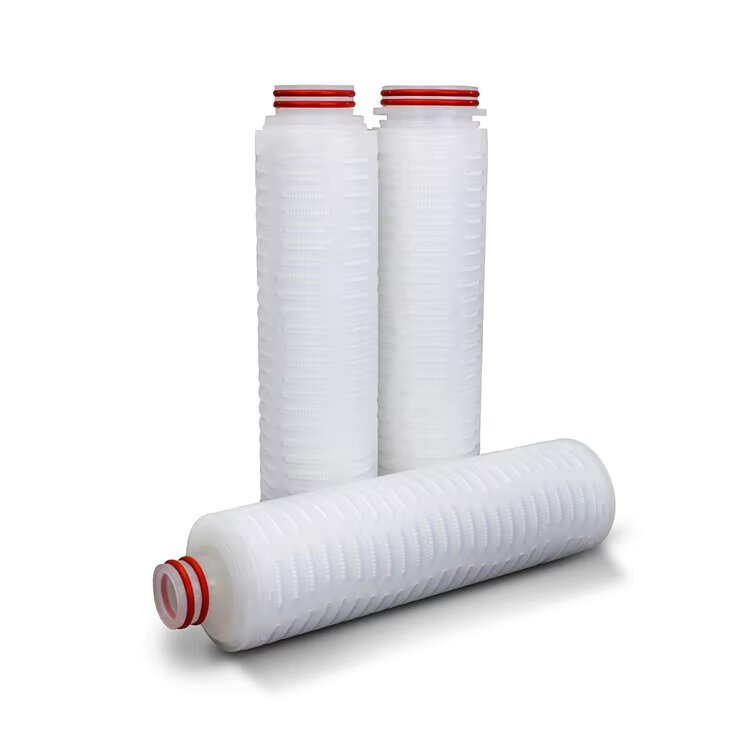
Recommended Filter Cartridges

 English
 Spanish