
Food-Grade Filtration in the Food Processing Industry
INTRODUCTION
Filtration plays a critical role in ensuring product safety, consistency, and regulatory compliance in the food processing industry. From raw material preparation to final packaging, food products are continuously exposed to potential contaminants, including suspended solids, microorganisms, processing residues, and airborne particles. Food-grade filtration systems are specifically designed to control these risks while meeting strict hygienic and regulatory requirements.
Unlike general industrial filtration, food-grade filtration emphasizes material safety, cleanability, and validated performance. Filter media, housings, and sealing components must not release harmful substances, alter product taste or composition, or compromise food safety. As global food safety regulations become increasingly stringent, food-grade filtration has evolved from a supporting utility into a core process technology within modern food processing plants.
This article provides a technical and application-focused overview of food-grade filtration in the food processing industry. It examines contamination sources, filtration technologies, performance parameters, hygienic design principles, and real-world applications across liquid, air, and gas systems.
Contaminants in Food Processing Systems
Food processing environments present multiple contamination risks throughout production, transfer, and storage stages. Understanding these contaminants is essential for selecting appropriate food-grade filtration solutions.
Suspended Solids
Suspended solids originate from raw ingredients, processing equipment, and upstream utilities. Typical examples include:
Plant fibers and pulp in beverages
Sugar crystals in syrups
Protein aggregates in dairy products
Rust or scale particles from piping systems
If not properly removed, suspended solids can affect product appearance, mouthfeel, and shelf stability, and may also cause downstream equipment fouling.
Microorganisms
Microbial contamination is one of the most critical risks in food processing. Common microorganisms include:
Bacteria
Yeasts
Molds
These contaminants may enter the process through water, air, raw materials, or inadequate sanitation practices. Even low microbial loads can lead to spoilage, off-flavors, or food safety incidents, making microbial control a primary objective of food-grade filtration.
Process Residues
Chemical residues may be introduced during cleaning and maintenance procedures, including:
Cleaning-in-place (CIP) chemicals
Sanitizing agents
Lubricants from machinery
Food-grade filtration systems help prevent residual chemicals from entering final products, particularly in sensitive applications such as infant formula or beverage production.
Airborne Contaminants
Airborne particles and microorganisms pose a significant risk in open or semi-open food processing operations. Sources include:
Compressed air systems
Steam systems
Venting of tanks and vessels
Air and gas filtration is therefore a vital component of hygienic food processing design.
Food-Grade Filtration Technologies
Food-grade filtration technologies are selected based on product characteristics, contamination type, and process conditions. The most common technologies include depth filtration, pleated filtration, membrane filtration, and high-flow filtration.
Depth Filtration
Depth filtration utilizes thick, porous media designed to capture contaminants throughout the filter matrix rather than only on the surface.
Key characteristics:
High dirt-holding capacity
Suitable for high particulate loads
Gradual particle retention through depth layers
Typical applications:
Pre-filtration of process water
Clarification of syrups and oils
Protection of downstream membrane filters
Depth filters are often used as pre-filters in food processing systems to extend the service life of finer filtration stages.
Pleated Filtration
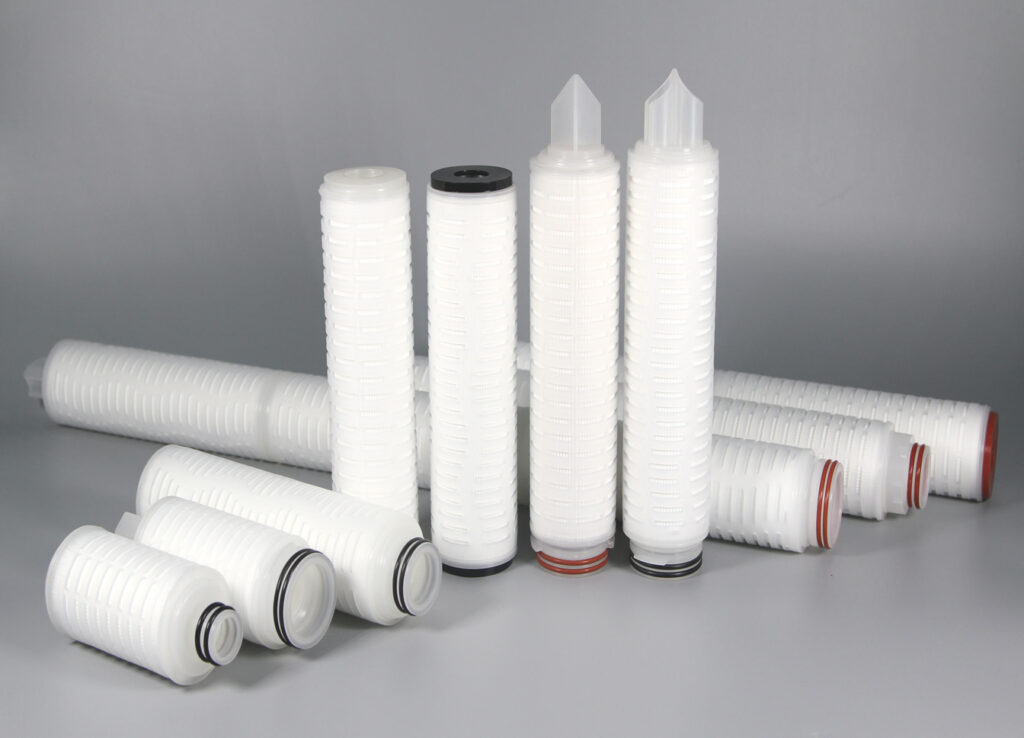
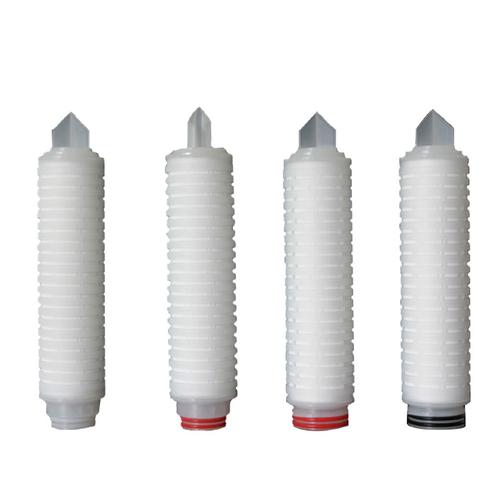
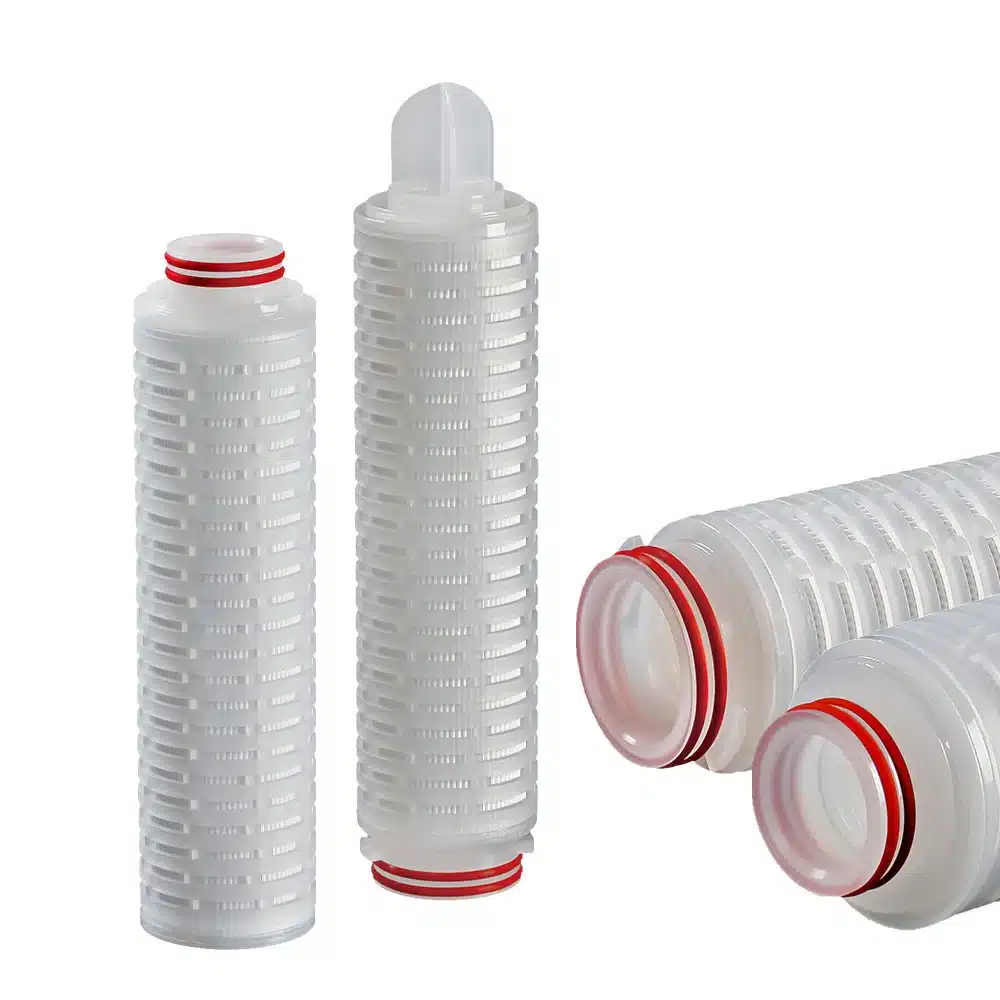
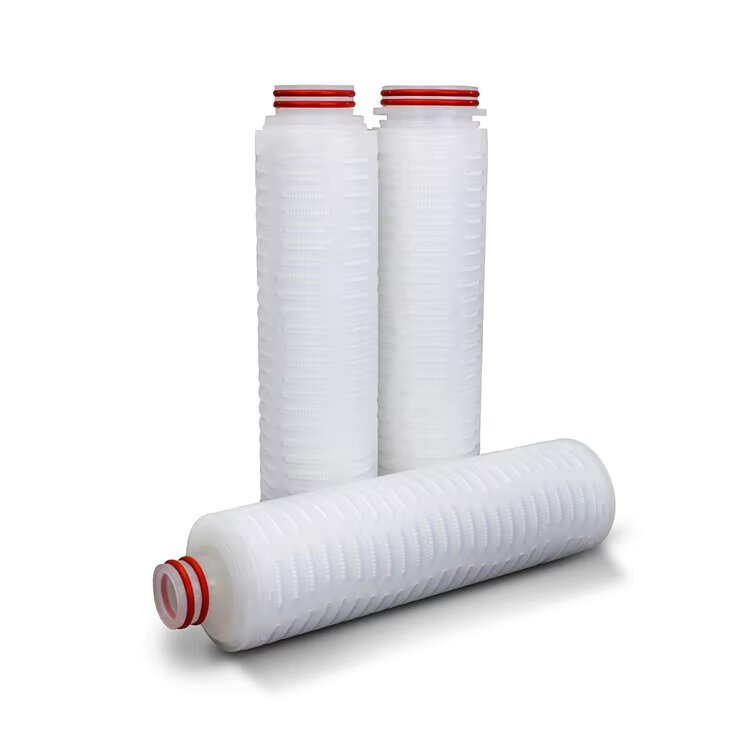
Pleated filter Cartridges use folded media to increase filtration surface area within a compact cartridge design.
Advantages:
High flow rates at low pressure drop
Consistent filtration efficiency
Easy cleaning and replacement
Pleated food-grade filter cartridges are commonly manufactured from polypropylene (PP), PTFE, PES, or nylon, depending on chemical compatibility and temperature requirements.
Typical applications:
Beverage filtration
Dairy processing
Final filtration before packaging
Membrane Filtration
Membrane filtration provides absolute-rated particle and microorganism removal using uniform pore structures.
Key features:
Absolute micron ratings
High microbial retention efficiency
Suitable for critical control points
Membrane filter cartridges are frequently used in:
Final product filtration
Sterile air and gas filtration
High-purity ingredient processing
Hydrophilic membranes are typically used for liquid filtration, while hydrophobic membranes are used for gas and vent filtration.
High-Flow Filtration
High-flow filtration systems are designed for large-volume processing operations requiring high throughput with minimal footprint.
Benefits:
Reduced number of filter cartridges
Lower installation and maintenance costs
Suitable for central filtration systems
High-flow food-grade filters are widely applied in large beverage plants and water treatment systems supporting food processing operations.
Micron Rating and Filtration Efficiency
Micron rating is a fundamental parameter in food-grade filtration, defining the size of particles the filter is designed to retain.
Nominal vs Absolute Micron Rating
Nominal rating indicates the particle size at which a filter removes a certain percentage (typically 60–90%) of contaminants.
Absolute rating defines the maximum particle size that will pass through the filter, often associated with ≥99.9% retention efficiency.
For critical food processing applications, absolute-rated filters are preferred due to their predictable and validated performance.
Micron Rating Selection for Food Processing
Different food processing steps require different filtration precision:
Process water: 1–10 µm
Beverage clarification: 0.45–1 µm
Dairy processing: 0.2–1 µm
Sterile filtration: 0.2 µm or finer
Selecting an appropriate micron rating helps balance product quality, filtration efficiency, and operating cost.
Microbial Control and Filtration
While micron rating provides a general guideline, microbial control requires validated filtration performance. Filters used for microbial retention are typically:
Verified through bacterial challenge testing
Liquid Filtration in the Food Processing Industry
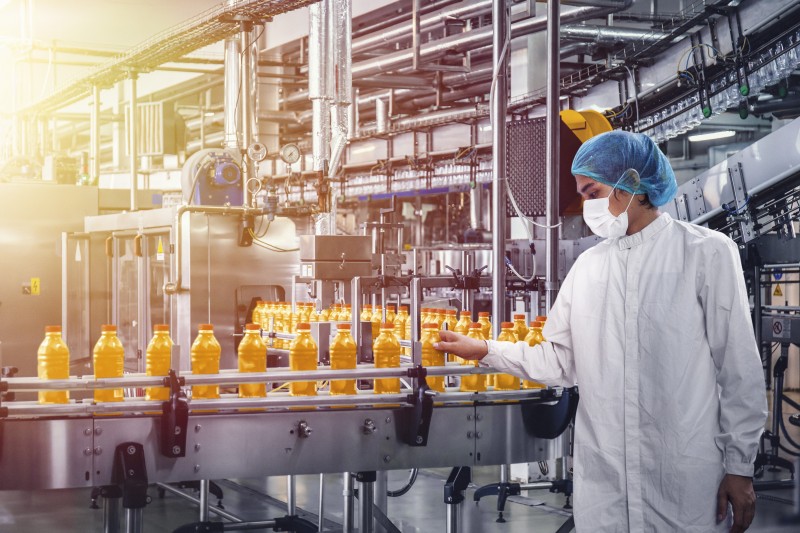
Liquid filtration is the most widely applied filtration process in food manufacturing, covering water treatment, ingredient processing, and product clarification.
Water Filtration for Food Processing
Water is a primary ingredient and processing medium in the food industry. Filtration ensures removal of:
Suspended solids
Microorganisms
Residual disinfectants
Multi-stage filtration systems are commonly employed, combining depth filters, pleated filters, and membrane filters.
Beverage Filtration
Beverage production requires precise filtration to maintain clarity, flavor, and microbiological stability.
Common filtration objectives include:
Removal of haze-forming particles
Microbial stabilization
Protection of filling equipment
Pleated and membrane filters are frequently used at different stages of beverage processing.
Syrups, Sauces, and Liquid Ingredients
High-viscosity liquids such as syrups and sauces require filtration solutions with:
High dirt-holding capacity
Chemical compatibility
Stable performance under variable flow conditions
Depth and pleated filters are typically selected for these applications.
Air and Gas Filtration for Food Processing
Air and gas filtration play an essential role in maintaining hygiene and product integrity in food processing plants. Compressed air, steam, and ventilation systems can carry particles, microorganisms, and chemical residues that may compromise product safety.
Compressed Air Filtration
Compressed air is widely used for pneumatic equipment, conveying powders, and cleaning operations. Contaminants in compressed air include:
Oil aerosols from compressors
Water droplets
Dust and fine particulates
Microorganisms
Food-grade compressed air filters are designed to:
Remove particles down to sub-micron levels
Retain bacteria and microorganisms
Ensure compliance with ISO 8573-1 Class 1–2 for food-grade air
Steam Filtration
Steam is used in cooking, sterilization, and cleaning processes. Contaminated steam can introduce:
Particulates
Microbial spores
Chemical residues
High-efficiency steam filters remove particles and biological contaminants, protecting products and process equipment.
Ventilation and Gas Filtration
Open tanks, vessels, and packaging lines require filtered air or inert gases to prevent contamination. HEPA and ULPA filters are often implemented for:
Airborne particle removal
Microbial control
Maintaining hygienic environments in sensitive production areas
Air and gas filtration systems must be periodically tested and validated to maintain continuous compliance.
Hygienic Design of Food-Grade Filtration Systems
Hygienic design is critical to ensure that food-grade filtration systems do not become a contamination source. Components and systems must comply with sanitary engineering principles.
Surface Finish and Cleanability
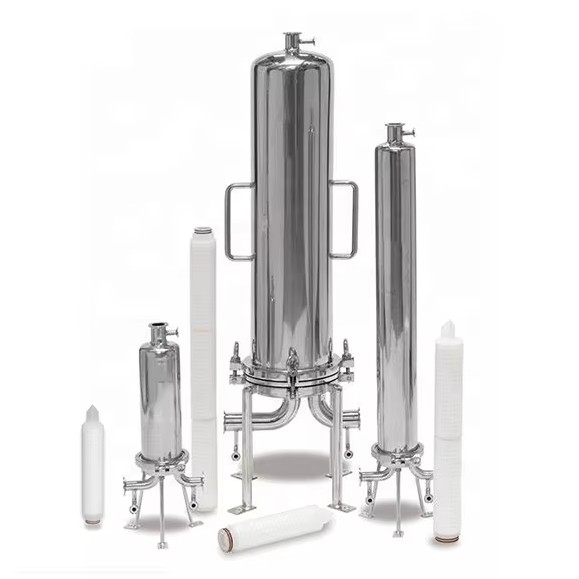
Filter housings and piping should have smooth, polished surfaces to prevent particle accumulation
Stainless steel (SS304/SS316) is commonly used
Welds should be ground smooth, and dead ends minimized
CIP/SIP Compatibility
Filtration systems must support Clean-in-Place (CIP) and Steam-in-Place (SIP) procedures
Filters, gaskets, and housings must withstand repeated sterilization cycles
Ensures minimal downtime while maintaining food safety standards
Housing and Sealing Design
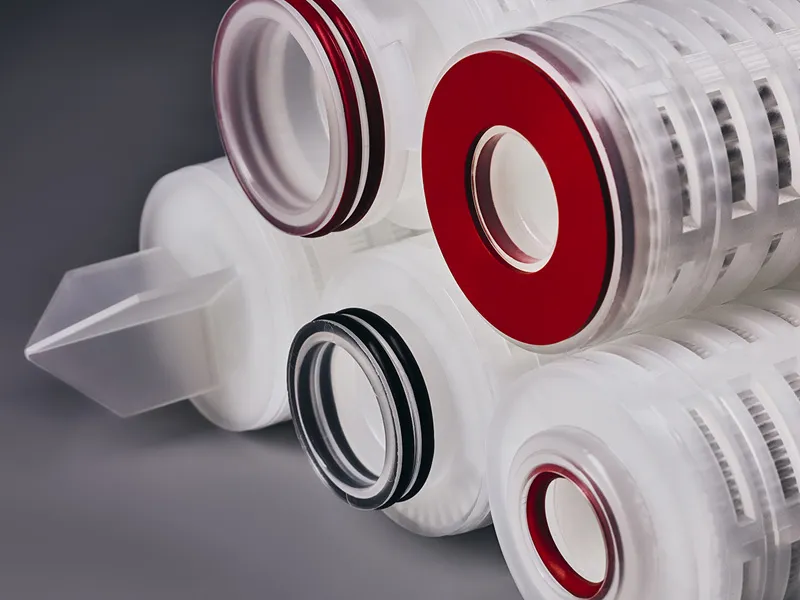
O-rings, gaskets, and seals must be food-grade materials (EPDM, FKM, Silicone)
Filter cartridges must fit precisely to prevent bypass
Pressure vessels and housings should be certified for operating conditions
Performance Testing and Quality Control
Performance validation ensures food-grade filters meet efficiency, safety, and regulatory standards.
Flow and Differential Pressure
Measuring flow rates at set pressure drop
Ensures filtration system meets production requirements
Prevents overpressure or bypass that may compromise quality
Lifetime and Service Interval Assessment
Predictive maintenance schedules based on throughput, contamination load, and filter type
Helps optimize operational costs and minimize downtime
Batch Consistency and Traceability
Filters must be traceable by lot or serial number
Batch testing ensures uniformity in filtration efficiency
Extractables and leachables testing verify chemical compatibility
Case Studies of Food-Grade Filtration Applications
Practical examples highlight how filtration improves food safety, quality, and operational efficiency.
Beverage Manufacturing
Multi-stage filtration including depth pre-filters, pleated final filters, and membrane microbial filters
Results: crystal-clear product, reduced microbial load, extended shelf life
Dairy Processing
Sterile filtration of milk and whey
Air and gas filtration in processing rooms to prevent cross-contamination
Hygienic design ensures CIP/SIP compliance
Edible Oil Production
High-viscosity oil filtered through depth and pleated filters
Removal of suspended solids, pigments, and oxidation byproducts
Achieves clarity and stability required for packaging
Conclusion
Food-grade filtration in the food processing industry is no longer a peripheral utility but a critical component of process integrity, food safety, and regulatory compliance. Key takeaways include:
Contaminant Control – Effective filtration removes suspended solids, microorganisms, and chemical residues across liquids, gases, and air.
Technology Selection – Depth, pleated, membrane, and high-flow filtration technologies address diverse process needs.
Hygienic and Compliant Design – Material selection, surface finish, sealing, and CIP/SIP compatibility ensure safety and regulatory compliance.
Validation and Performance – Flow, differential pressure, microbial challenge, and batch consistency testing maintain filter reliability.
Operational Impact – Proper filtration enhances product quality, extends equipment life, and reduces the risk of recalls or regulatory penalties.
As the food processing industry faces increasing demand for product safety, transparency, and efficiency, investing in advanced food-grade filtration systems and adhering to best practices has become essential. Manufacturers and processors who prioritize filtration technology not only comply with regulations but also build consumer trust, achieve operational excellence, and support sustainable production.
Recommended Filter Cartridges

 English
 Spanish