
Filtration Efficiency of PP Pleated Filter Cartridges for RO Pretreatment
INTRODUCTION
In reverse osmosis (RO) systems, pretreatment plays a decisive role in protecting membranes and ensuring long-term system stability. Among all pretreatment components, cartridge filtration is often underestimated. However, insufficient filtration efficiency at this stage is one of the most common root causes of RO system failure.
When PP pleated filter cartridges used in RO pretreatment do not provide adequate filtration efficiency, a series of operational problems may occur.
Membrane Fouling and Shortened Service Life
RO membranes are highly sensitive to fine suspended solids, colloids, and particulate contaminants. If the pretreatment filter fails to effectively retain these particles, they accumulate on the membrane surface, leading to fouling. This results in:
Increased transmembrane pressure
Reduced permeate flow rate
More frequent chemical cleaning (CIP)
Premature membrane replacement
Even particles smaller than what appears visually significant can cause irreversible fouling over time if filtration efficiency is unstable or inconsistent.
frequency
Higher chemical and labor costs
System downtime
Over time, the total cost of ownership (TCO) of the RO system increases significantly, even if the initial filter cartridge cost appears lower.
Rapid Pressure Drop Increase in the RO System
Another common symptom of poor filtration efficiency is abnormal pressure behavior. When particles pass through pretreatment filters and reach downstream components, pressure drop across the RO membranes increases faster than expected.
This leads to:
Higher energy consumption of feed pumps
Reduced overall system efficiency
Increased operating costs
In many cases, operators mistakenly attribute this problem to membrane quality rather than insufficient pretreatment filtration.
Increased Maintenance Frequency and Operating Costs
Low filtration efficiency directly translates into higher operational expenses. These include:
Shorter filter cartridge replacement cycles
Increased membrane cleaning
2. Why PP Pleated Filter Cartridges Are Preferred for RO Pretreatment
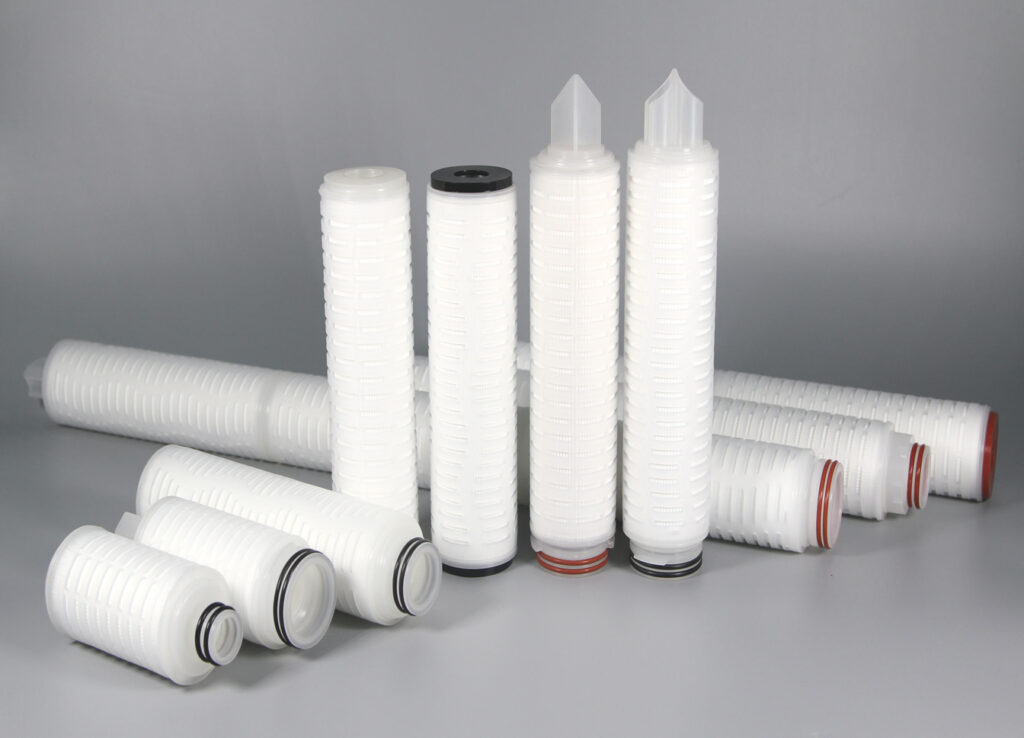
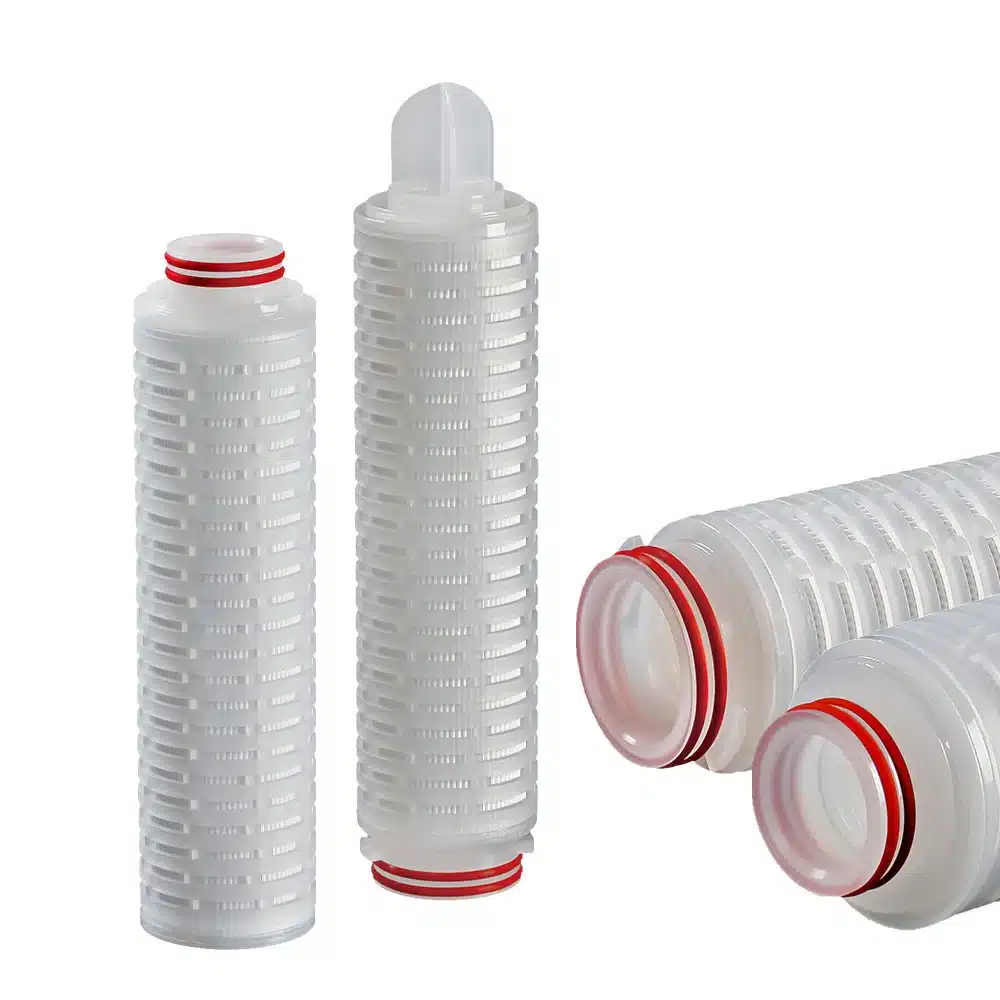
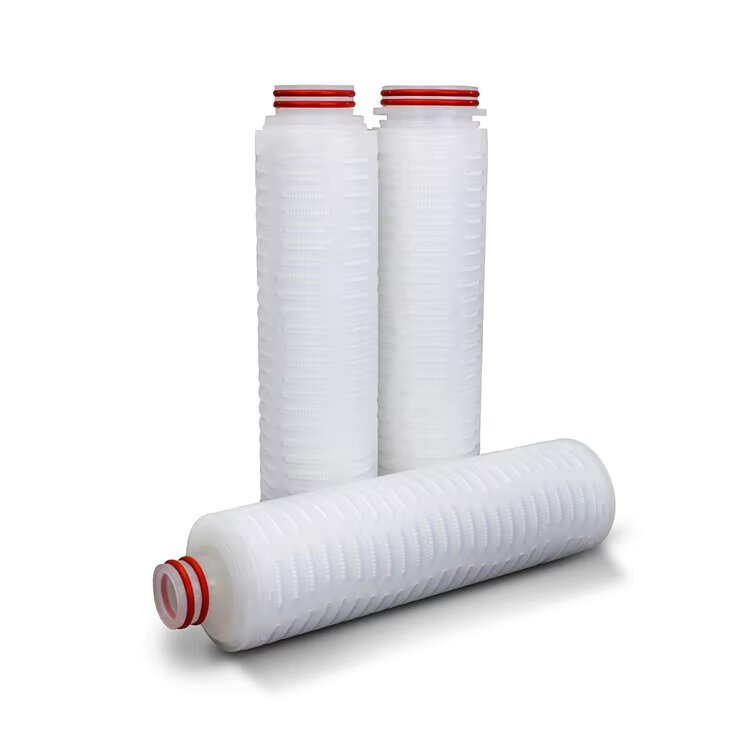
PP pleated filter cartridges are widely used in RO pretreatment systems due to their ability to deliver stable filtration efficiency while maintaining low pressure drop and high dirt holding capacity.
High and Consistent Filtration Efficiency
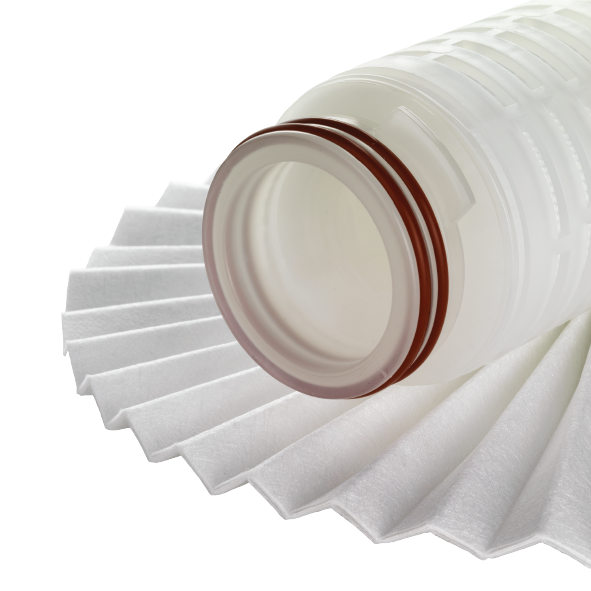
Unlike traditional depth-only filters, PP pleated filter cartridges combine surface filtration with depth filtration. Their pleated structure increases the effective filtration area, allowing particles to be captured efficiently across the entire filter media.
This design provides:
More uniform particle retention
Stable filtration efficiency throughout service life
Reduced risk of particle bypass
For RO pretreatment, consistency is just as important as nominal micron rating. A stable filtration efficiency ensures predictable system performance and protects RO membranes over time.
Large Filtration Area and High Dirt Holding Capacity
The pleated design significantly increases surface area compared to melt blown or string wound filters of the same length. A larger filtration area allows:
Lower initial pressure drop
Slower pressure increase during operation
Longer service intervals
This is particularly important in RO systems operating continuously, where frequent cartridge replacement can disrupt production.
Chemical Compatibility and Clean Operation
PP pleated filter cartridges are typically manufactured from 100% polypropylene without adhesives, making them suitable for a wide range of water qualities encountered in RO pretreatment.
Key advantages include:
Excellent chemical resistance
No media migration or fiber shedding
Compatibility with drinking water and industrial process water
These characteristics make PP pleated filters a reliable and safe choice for upstream RO applications.
3. Choosing the Right Filtration Efficiency for Your RO System
Selecting the appropriate filtration efficiency is a critical step in RO pretreatment design. Both under-filtration and over-filtration can negatively affect system performance.
Avoiding Under-Filtration
If filtration efficiency is too low, fine particles will pass through the pretreatment stage and reach the RO membranes. This increases the risk of fouling and shortens membrane life.
Under-filtration is often caused by:
Choosing a micron rating that is too large
Using nominal-rated filters where absolute efficiency is required
Ignoring feed water quality variations
In such cases, the apparent cost savings of lower-grade filters are quickly offset by higher membrane maintenance costs.
Avoiding Over-Filtration
On the other hand, excessively high filtration efficiency is not always beneficial. Using an unnecessarily fine micron rating can lead to:
High initial pressure drop
Increased energy consumption
Reduced flow capacity
Shorter cartridge service life
For most RO pretreatment systems, filtration efficiency should be selected based on actual feed water conditions rather than conservative assumptions.
Typical Filtration Efficiency Recommendations for RO Pretreatment
In practical applications, commonly used filtration efficiencies include:
5 µm nominal or absolute for relatively clean feed water
1 µm nominal or absolute for challenging water sources or sensitive membranes
The final selection should consider parameters such as turbidity, SDI (Silt Density Index), and system flow rate.
4. How Filtration Efficiency Affects RO Operating Costs
When evaluating filtration efficiency in RO pretreatment, many users focus only on membrane protection. However, filtration efficiency also has a direct and measurable impact on the overall operating cost of the RO system.
Energy Consumption and Pressure Drop
Filtration efficiency directly influences pressure drop across pretreatment filters. A well-designed PP pleated filter cartridge with appropriate efficiency provides:
Low initial pressure drop
Stable pressure increase over time
Reduced load on RO feed pumps
If filtration efficiency is too high for the actual water quality, pressure drop increases unnecessarily, leading to higher energy consumption. Conversely, insufficient filtration efficiency causes downstream fouling, which also increases pressure requirements. The optimal balance minimizes total energy usage.
Cartridge Replacement Frequency
High-quality PP pleated filter cartridges maintain their filtration efficiency over a longer service life due to their large filtration area and high dirt holding capacity. This results in:
Longer replacement intervals
Reduced cartridge consumption
Lower labor and maintenance costs
In RO pretreatment, replacing cartridges too frequently not only increases consumable costs but also introduces operational interruptions that affect system availability.
Membrane Cleaning and Replacement Costs
One of the largest hidden costs in RO systems is membrane maintenance. Stable filtration efficiency significantly reduces:
Frequency of chemical cleaning (CIP)
Chemical consumption
Membrane degradation due to aggressive cleaning
Over time, effective pretreatment filtration can extend membrane lifespan by months or even years, delivering substantial cost savings that far exceed the initial cost of filter cartridges.
5. Real-World RO Pretreatment Scenarios
The required filtration efficiency of PP pleated filter cartridges varies depending on feed water quality and system design. Below are typical RO pretreatment scenarios where filtration efficiency plays a critical role.
Municipal Water Pretreatment
Municipal water usually contains low to moderate levels of suspended solids but may experience fluctuations due to pipeline maintenance or seasonal changes.
Typical characteristics include:
Relatively stable turbidity
Occasional fine particle spikes
Low organic content
In these systems, 5 µm PP pleated filter cartridges are commonly used to provide sufficient protection while maintaining low operating pressure.
Industrial Process Water Pretreatment
Industrial water sources often contain higher levels of particulate contamination due to upstream processes or open storage.
Common challenges include:
Variable particle size distribution
Higher turbidity levels
Inconsistent water quality
For such applications, 1 µm PP pleated filter cartridges are frequently selected to ensure stable filtration efficiency and protect RO membranes from accelerated fouling.
Brackish and Challenging Feed Water Sources
Brackish water and surface water sources can present significant pretreatment challenges, including fine colloids and suspended solids.
In these cases, filtration efficiency must be carefully matched to:
Pretreatment system design
SDI reduction requirements
RO membrane specifications
PP pleated filter cartridges with high and consistent filtration efficiency help maintain stable RO operation under demanding conditions.
6. Working with a Reliable PP Pleated Filter Cartridge Manufacturer
While filtration efficiency is a key performance parameter, achieving consistent results in RO pretreatment also depends on product quality and manufacturing reliability.
Consistency of Filtration Efficiency
A reliable manufacturer ensures that every PP pleated filter cartridge delivers consistent filtration efficiency from batch to batch. This is achieved through:
Controlled raw material selection
Stable pleating and bonding processes
Quality inspection at each production stage
Consistency is especially important in RO systems, where performance variations can quickly translate into operational issues.
Quality Control and Performance Testing
Professional manufacturers perform routine testing to verify filtration efficiency, pressure drop, and structural integrity. This provides customers with confidence that the cartridges will perform as expected under real operating conditions.
Access to technical data and application support also helps system designers and operators select the correct filtration efficiency for their specific RO pretreatment requirements.
Supporting Long-Term RO System Performance
By working with an experienced PP pleated filter cartridge manufacturer, RO system operators can benefit from:
Application-oriented product recommendations
Stable supply and technical support
Optimized filtration solutions for pretreatment systems
Choosing the right filtration partner ultimately contributes to lower operating costs, improved membrane protection, and long-term RO system reliability.
Final Thoughts
Filtration efficiency is a critical factor in the success of RO pretreatment systems. PP pleated filter cartridges offer an effective balance of high filtration efficiency, low pressure drop, and long service life when properly selected.
By understanding how filtration efficiency affects RO system performance and operating costs, system designers and operators can make informed decisions that improve reliability and reduce total cost of ownership.
Recommended Filter Cartridges

 English
 Spanish