
Filter Cartridge for Paint Manufacturing: How to Choose the Right Filters for Paint Liquids
INTRODUCTION
In paint manufacturing, filtration plays a critical role in ensuring the quality, consistency, and performance of the final product. Paint formulations typically contain pigments, resins, solvents, additives, and fillers. During the production process, contaminants such as oversized pigment particles, gels, agglomerates, and mechanical debris can enter the system. If these impurities are not effectively removed, they may lead to surface defects, clogging of spray equipment, reduced gloss, and poor product stability.
To prevent these problems, paint manufacturers rely on different types of filter cartridges throughout the production process. Each stage of paint production requires a specific filtration level and filter type to ensure optimal performance and cost efficiency.
This article explains which filter cartridges are commonly used in paint manufacturing, where they are used in the process, and how to select the most suitable filters for paint liquids.
Paint Manufacturing Filtration Process Overview
Paint production typically involves several stages, including raw material preparation, pigment dispersion, formulation adjustment, and final packaging. Filtration is commonly used at multiple points in this process.
The main filtration stages include:
Raw material filtration
Post-grinding filtration
Let-down filtration
Final product filtration
Filling line filtration
Each stage serves a different purpose and therefore requires different filter cartridge types and micron ratings.
1. Raw Material Filtration
Raw materials such as resins, solvents, and additives may contain impurities introduced during storage, transportation, or handling. These contaminants must be removed before the materials enter the production line.
Purpose of Filtration
Remove large particles and debris
Protect pumps, valves, and mixing equipment
Improve overall process cleanliness
Common Filter Cartridges
The most commonly used filters at this stage include:
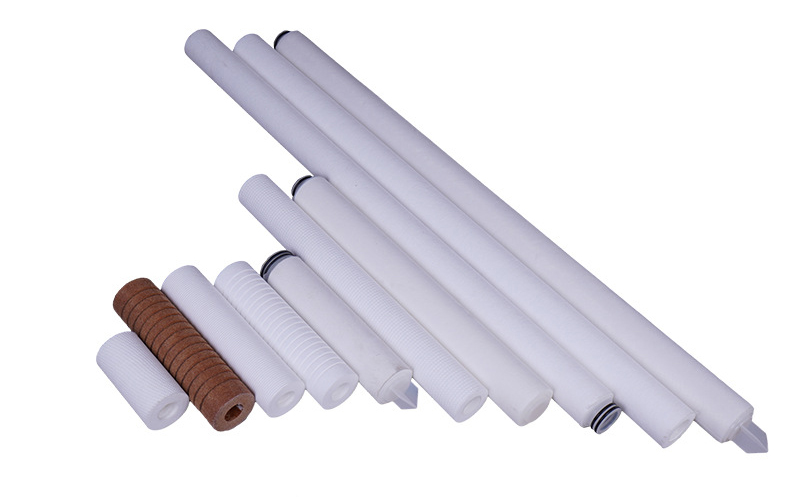
String wound filter cartridges
Melt blown filter cartridges
These filters are ideal for coarse filtration due to their high dirt-holding capacity and low cost.
Typical Filtration Rating
Raw material filtration usually requires relatively coarse filtration:
50 micron
75 micron
100 micron
Since impurities at this stage are usually large particles, high-precision filtration is not necessary.
2. Post Grinding Filtration
Pigment dispersion is one of the most important steps in paint production. During this process, pigments are dispersed using equipment such as bead mills or ball mills to achieve the desired particle size distribution.
However, after grinding, the paint mixture may still contain:
Undispersed pigment agglomerates
Metal particles from equipment wear
Large solid contaminants
Purpose of Filtration
Remove oversized particles
Improve pigment dispersion quality
Protect downstream filtration systems
Recommended Filter Cartridges
The most suitable filters at this stage include:
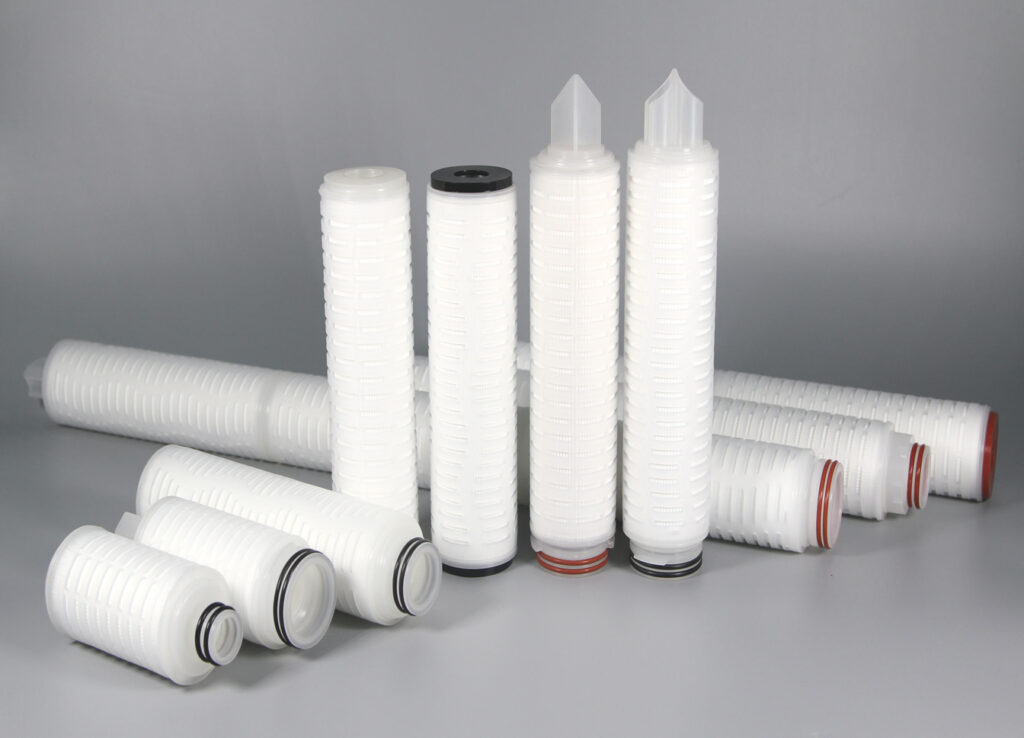
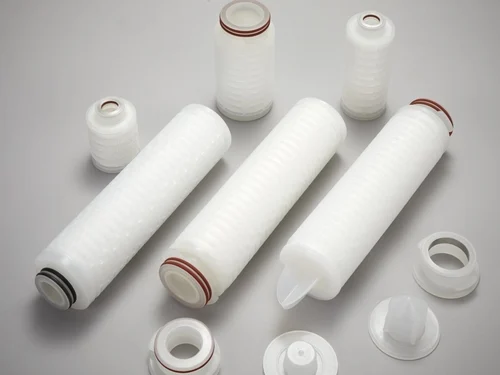
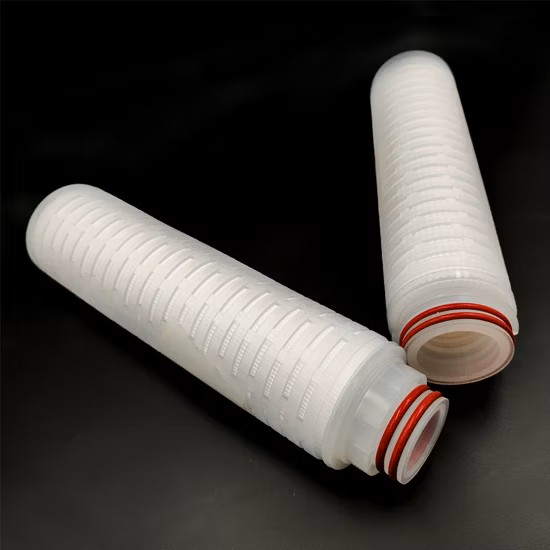
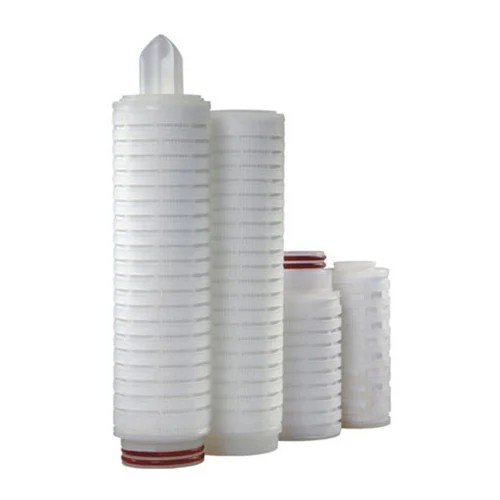
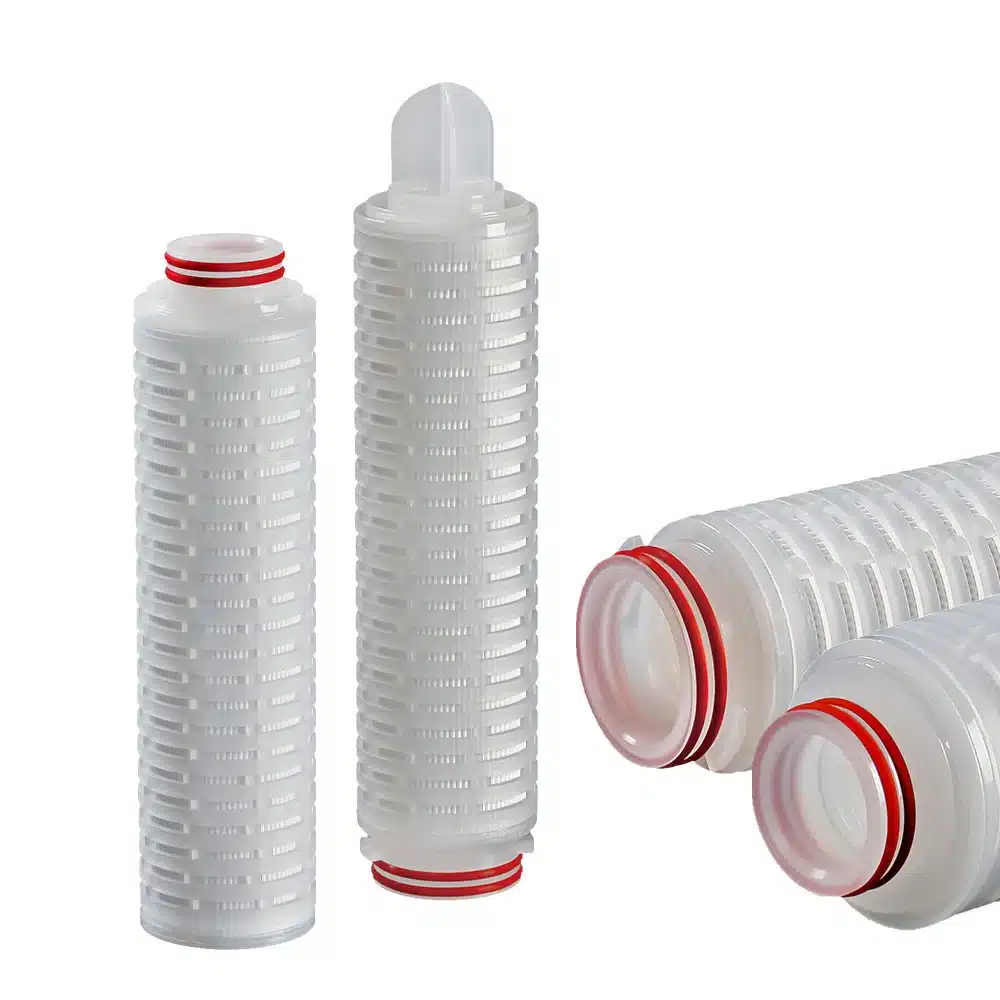
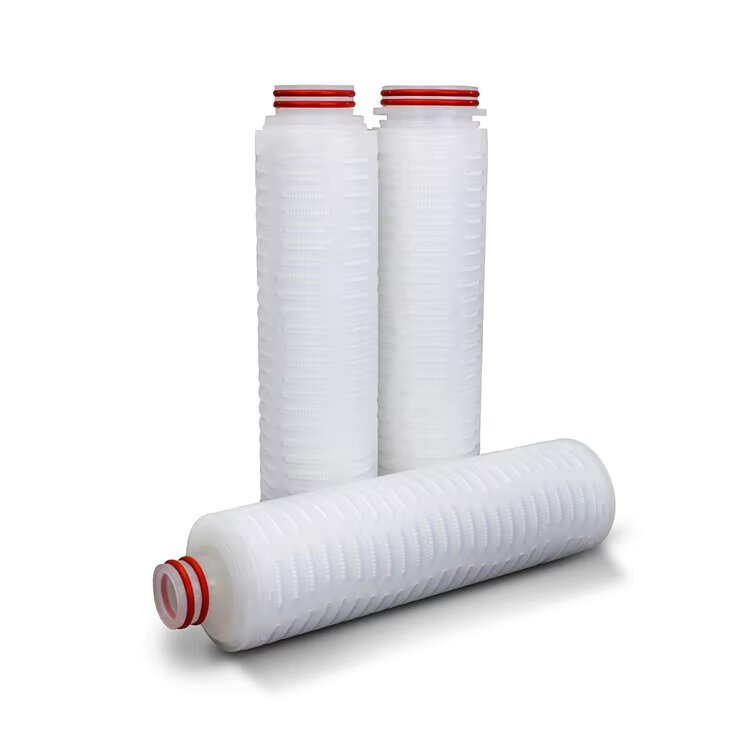
PP pleated filter cartridges
Nylon filter cartridges
Pleated filter cartridges are particularly advantageous because they offer a much larger filtration surface area compared to depth filters.
Typical Filtration Rating
The commonly used filtration ratings include:
25 micron
50 micron
These ratings effectively remove large particles while maintaining a high flow rate.
3. Let-Down Filtration
The let-down stage involves adding solvents, binders, and additives to adjust the final paint formulation. This step ensures that the paint achieves the required viscosity, color strength, and performance characteristics.
During this stage, filtration helps remove:
Gel particles
Undissolved additives
Agglomerated resin particles
Common Filter Cartridges
Filters used at this stage typically include:
PP pleated filter cartridges
Glass fiber filter cartridges
These filters provide higher filtration efficiency and can handle the relatively high viscosity of paint liquids.
Typical Filtration Rating
Typical filtration ratings include:
10 micron
25 micron
These filters ensure that unwanted particles are removed before the paint reaches the final filtration stage.
4. Final Product Filtration
Final product filtration is one of the most critical steps in paint manufacturing. This stage ensures that the finished paint meets strict quality standards before packaging.
Even very small particles can cause serious issues in paint applications, including:
Surface defects
Poor coating smoothness
Spray nozzle blockage
Reduced gloss and clarity
Recommended Filter Cartridges
At this stage, high-performance filters are typically used, including:
PP pleated filter cartridges
Glass fiber pleated filter cartridges
Nylon filter cartridges
These filters provide excellent particle retention while maintaining high flow capacity.
Typical Filtration Rating
Final filtration usually requires finer filtration levels:
5 micron
10 micron
For high-end coatings such as automotive paints, even finer filtration may be required.
5. Filling Line Filtration
Before paint is filled into containers, an additional filtration step is often applied to ensure product purity.
This final filtration removes any contaminants that may have entered the system during storage or transfer.
Purpose of Filtration
Ensure product cleanliness
Prevent contamination during packaging
Maintain consistent product quality
Recommended Filter Cartridges
Typical filters used in filling lines include:
High dirt holding pleated filter cartridges
Nylon membrane filter cartridges
Typical Filtration Rating
Common filtration levels include:
1 micron
3 micron
5 micron
These filters ensure that the paint product meets the highest quality standards.
Recommended Filter Cartridges for Different Paint Types
Different types of paints require different filtration solutions due to variations in chemical composition and viscosity.
| Paint Type | Recommended Filter Cartridge | Typical Micron Rating |
|---|---|---|
| Water-based paint | PP pleated filter cartridge | 5–25 micron |
| Solvent-based paint | Nylon filter cartridge | 5–25 micron |
| Automotive coatings | Glass fiber or nylon filter cartridge | 1–10 micron |
| Industrial coatings | PP pleated filter cartridge | 10–50 micron |
| Powder coating slurry | PP pleated filter cartridge | 10–25 micron |
Key Factors When Choosing Filter Cartridges for Paint Liquids
Selecting the right filter cartridge is essential for maintaining production efficiency and product quality.
Several important factors must be considered.
1. Paint Viscosity
Paint liquids often have relatively high viscosity, which can create higher pressure drops across filters.
Therefore, it is important to choose filters with:
Large filtration surface area
Low pressure drop
High flow capacity
Pleated filter cartridges are ideal for this purpose.
2. Filtration Accuracy
The required filtration precision depends on the type of paint being produced.
Typical ranges include:
10–25 micron for general industrial coatings
5–10 micron for high-quality paints
1–3 micron for premium coatings such as automotive paints
3. Chemical Compatibility
Paint formulations may contain solvents, additives, and other chemicals that require compatible filter materials.
Common filter materials include:
| Filter Material | Suitable Applications |
|---|---|
| Polypropylene (PP) | Water-based paints |
| Nylon | Solvent-based paints |
| PTFE | Aggressive solvents |
| Glass fiber | High-flow filtration |
Choosing chemically compatible materials ensures longer filter life and reliable performance.
4. Dirt Holding Capacity
Paint liquids contain a significant amount of pigment particles, which means filters must have a high dirt-holding capacity.
Multi-layer filtration media and pleated structures help increase contaminant holding capacity and extend service life.
5. Flow Rate Requirements
Paint production lines often operate continuously, requiring filters that can handle high flow rates without causing excessive pressure drop.
Pleated filter cartridges are preferred because they provide:
Large filtration surface area
Stable flow performance
Long service life
Typical Paint Manufacturing Filtration Setup
A typical filtration configuration for paint production may look like this:
| Production Stage | Filter Type | Micron Rating |
|---|---|---|
| Raw material filtration | String wound filter cartridge | 100 micron |
| Post grinding filtration | PP pleated filter cartridge | 25–50 micron |
| Let-down filtration | PP pleated filter cartridge | 10–25 micron |
| Final product filtration | Glass fiber or nylon filter cartridge | 5–10 micron |
| Filling line filtration | Nylon or PP pleated filter cartridge | 1–5 micron |
This multi-stage filtration system ensures efficient impurity removal while maintaining high production efficiency.
Conclusion
Filtration is a vital part of the paint manufacturing process. Proper filtration removes unwanted particles, protects production equipment, and ensures the final product meets strict quality standards.
Several types of filter cartridges are commonly used in paint filtration systems, including:
PP pleated filter cartridges
Nylon filter cartridges
Glass fiber filter cartridges
String wound filter cartridges
Melt blown filter cartridges
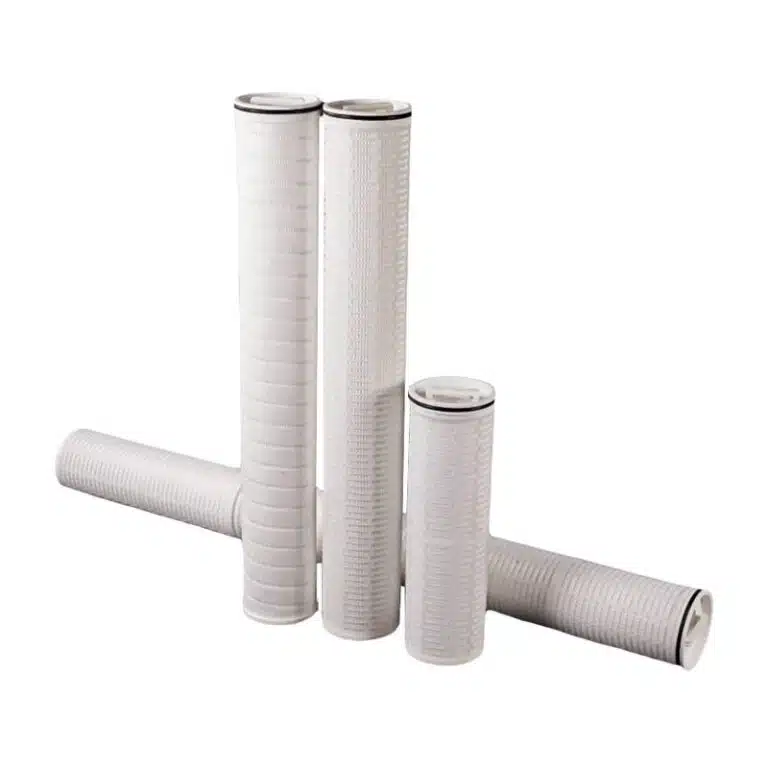
Among these, pleated filter cartridges are widely used in paint filtration systems due to their large filtration area, high flow capacity, and excellent dirt-holding ability.
By selecting the correct filter cartridge type, micron rating, and material compatibility, paint manufacturers can significantly improve product quality, reduce defects, and maintain efficient production operations.
Recommended Filter Cartridges
 English
 Spanish