
A Complete Buyer’s Guide to High Flow Filter Cartridges for Industrial Plants
By Econe Filtration – Industrial Filtration Solutions Manufacturer in China
OVERVIEW
Industrial plants rely heavily on stable, high-capacity filtration systems to maintain product quality, protect equipment, and ensure operational safety. Whether the facility operates in power generation, petrochemical refining, food processing, seawater desalination, or electronics manufacturing, the need for efficient high-volume filtration has never been greater.
As global industrial production increases and water quality standards become stricter, traditional filter cartridges—such as standard pleated cartridges, bag filters, and melt-blown filters—struggle to handle large flow rates and heavy particle loads. This performance gap has led to the rapid adoption of High Flow Filter Cartridges, a technology that offers large filtration area, high dirt-holding capacity, and long operational life.
This buyer’s guide, developed by Econe Filtration, provides a complete technical and purchasing roadmap for engineers, procurement teams, and plant managers who want to make informed decisions when selecting high flow filter cartridges for industrial filtration systems.
1. What Are High Flow Filter Cartridges?
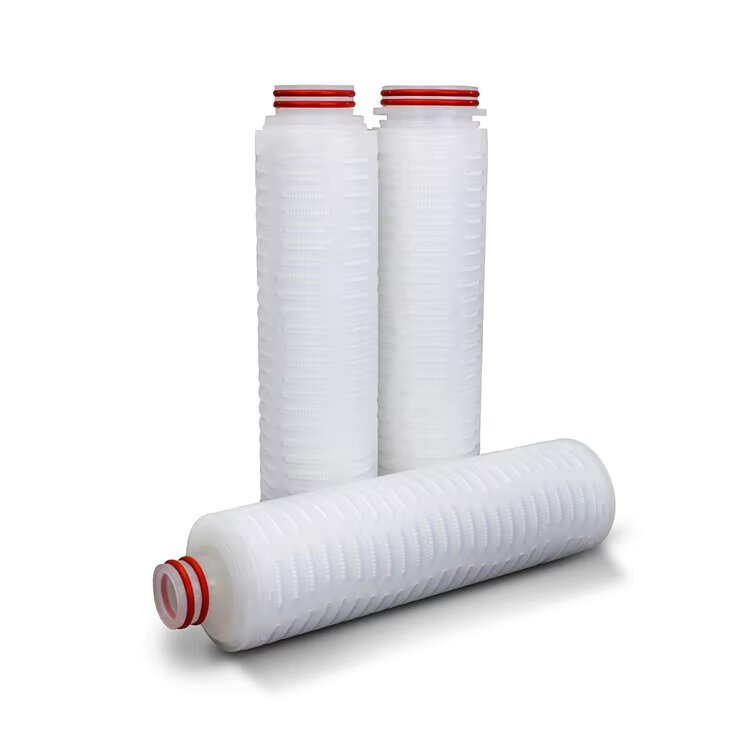
High Flow Filter Cartridges are advanced, large-diameter filtration elements designed to handle extremely high flow rates—often 10–20 times greater than traditional 2.5″ pleated filter cartridges. They are engineered to deliver:
High filtration efficiency
High dirt-holding capacity
Low pressure drop
Long service life
Reduced filter change-out time
Most high flow filters are available in diameters of 6″, 6.5″, or 7″, and in lengths such as 20″, 40″, 60″, and 80″, depending on system design.
Typical Specifications
While specifications vary by manufacturer, high flow cartridges usually include:
Micron rating: 1–100 μm
Maximum operating temperature: 70–85°C
Maximum differential pressure: 3.5–4.2 bar
Filtration media: Polypropylene (PP) or glass fiber
Inner core: Reinforced PP or stainless steel
End connection: O-ring sealing, often 226 or customized fittings
Because of their robust construction, high flow cartridges are ideal for continuous, heavy-duty operations.

ISO Certified Quality: All filters are manufactured under strict ISO 9001 and GMP guidelines, with full traceability and batch testing.
Technical Support: Our team offers technical consultation, sample testing, and assistance with filter selection and system design.
Partner with us and benefit from competitive pricing, flexible MOQ, and scalable production capacity.
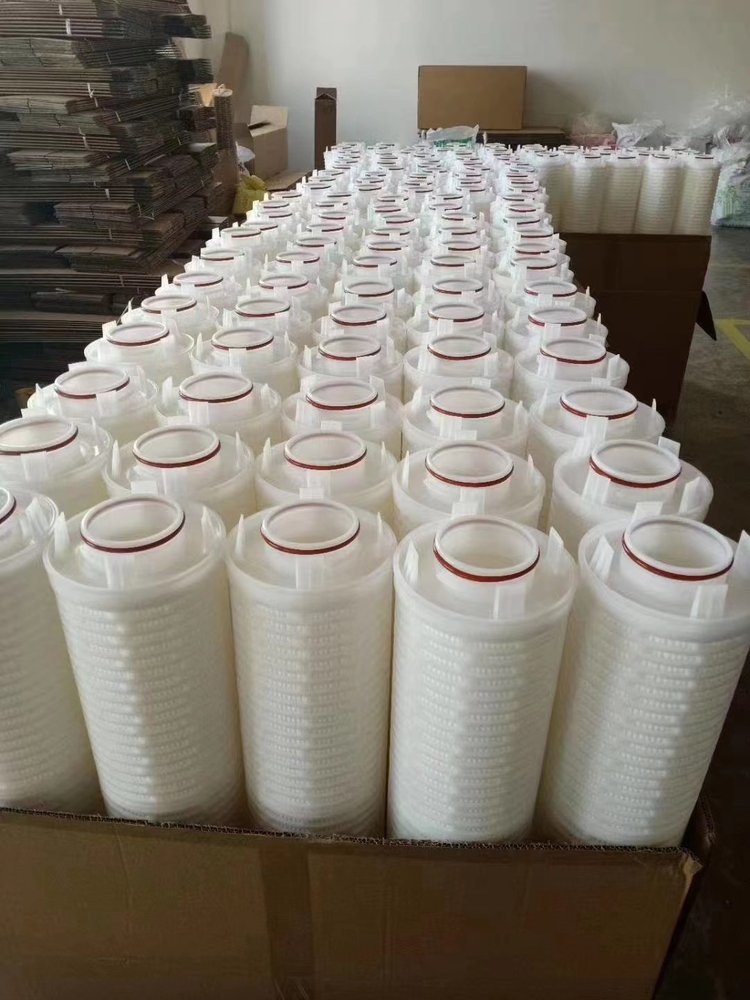
How High Flow Filter Cartridges Work
High flow cartridges use a large-diameter pleated structure, providing a filtration area 5–10 times greater than traditional cartridges. The pleated design traps contaminants throughout the media depth, ensuring:
Higher dirt-holding capacity
Stable micron-level filtration
Low pressure drop across the filter
Longer run time between replacements
Mechanisms of Filtration
High flow filtration combines multiple mechanisms:
Surface Filtration
Larger particles are captured on the surface of the pleats.
Depth Filtration
Fine particles penetrate deeper into the media, increasing dirt retention.
Graded Density Structure
Some models feature a multi-layer gradient system that traps particles of different sizes at different depths, improving performance.
Why Industrial Plants Prefer High Flow Filter Cartridges
✔ 1. High Flow Capacity
A single high flow cartridge can replace 10–20 standard 10″ cartridges, reducing the number of housings needed and dramatically improving flow efficiency.
✔ 2. Reduced Operating Costs
Fewer cartridges mean lower replacement costs, reduced maintenance time, and less system downtime.
✔ 3. Lower Pressure Drop
High flow design ensures smooth water or liquid movement through the system, lowering pump workload and energy consumption.
✔ 4. Longer Filter Lifespan
Larger surface area = longer cycles between replacements.
✔ 5. Higher Filtration Efficiency
High flow cartridges maintain consistent micron ratings, ensuring stable water quality in critical applications.
✔ 6. Easy Installation and Replacement
Industrial teams can complete change-outs faster, improving operational efficiency.
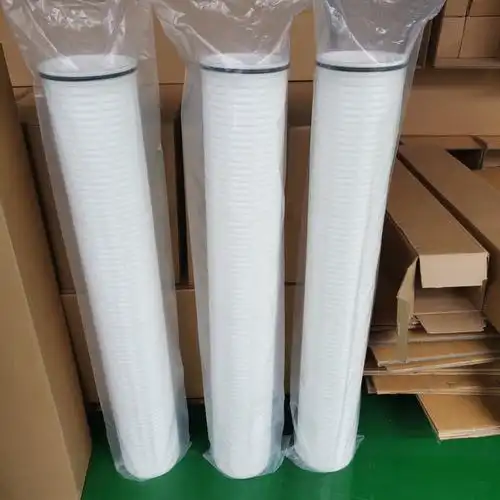
4. Common Applications of High Flow Filter Cartridges in Industrial Plants
High flow cartridges have become essential in multiple industries. Below are the most common applications where they deliver the best value:
4.1 Power Generation Plants
Power plants depend on stable filtration to protect turbines, boilers, cooling towers, and heat exchangers. High flow filters are used for:
Cooling water filtration
Condensate polishing
Boiler feedwater prefiltration
Desalination plant intake filtration
Their ability to manage high volumes makes them ideal for continuous 24/7 operations.
4.2 Petrochemical and Refining Industries
Petrochemical plants require precise, chemically resistant filtration for:
Process water
Amine filtration
Cooling tower systems
Chemical feed filtration
High flow cartridges provide reliability under challenging chemical and temperature conditions.
4.3 Seawater Desalination and Municipal Water Plants
Because desalination plants handle extremely large flow volumes, high flow technology is essential for:
SWRO (Seawater Reverse Osmosis) prefiltration
Intake water filtration
Post-treatment filtration
They help reduce RO membrane fouling, thereby lowering operational costs.
4.4 Food and Beverage Production
High flow cartridges support high-purity water needs in:
Bottled water production
Beverage mixing
Ingredient water treatment
CIP systems
Their polypropylene media ensures safe, clean filtration for food-contact applications.
4.5 Pharmaceutical and Biotech Plants
Although final sterilization often requires membrane filters, high flow cartridges are widely used for:
Raw water prefiltration
High-volume process water
Utility water systems
Their high flow capacity keeps pharmaceutical plants running efficiently.
4.6 Industrial Manufacturing & Electronics
High flow filters play an important role in:
Rinse water filtration
Process cooling water
Chemical solution filtration
Wastewater treatment
Electronics manufacturers especially value their ability to maintain consistent water purity.
5. Key Advantages of High Flow Filter Cartridges Over Traditional Filters
To fully understand the value of high flow filters, it helps to compare them with other popular filtration solutions.
5.1 High Flow Filters vs. Standard Pleated Filters
| Feature | Standard Pleated Filter | High Flow Filter |
|---|---|---|
| Diameter | 2.5″ | 6″–7″ |
| Flow rate | Low | Very high |
| Surface area | Limited | 5–10× larger |
| Replacement interval | Short | Long |
| Maintenance cost | High | Low |
High flow filters outperform standard cartridges in nearly every industrial environment.
5.2 High Flow Filters vs. Bag Filters
Bag filters are cost-effective but suffer from:
Lower precision
Fast clogging
Difficult replacement
Unstable filtration efficiency
High flow filters offer:
Absolute-rated filtration
Higher dirt-holding capacity
Faster change-out
Lower long-term cost
5.3 High Flow Filters vs. Melt-Blown Filters
Although melt-blown filters are inexpensive, high flow filters provide:
Longer lifespan
Higher flow rates
Better performance stability
Industrial plants seeking reliability should choose high flow cartridges.
Read More>> Comparing High Flow Filter Cartridges with Other Filters
6. Materials Used in High Flow Filter Cartridges
The material used in a filter affects its chemical resistance, temperature tolerance, and overall performance. High flow cartridges are commonly available in:
6.1 Polypropylene (PP)
The most widely used material due to:
Excellent chemical resistance
High flow rates
Low cost
FDA compliance for food & beverage use
PP is ideal for water treatment and most industrial liquids.
6.2 Fiberglass or Glass Fiber Media
Best for:
High-temperature applications
Viscous liquids
Petrochemical processing
Fiberglass offers superior stability and strength.
6.3 Stainless Steel Core Options
For high-pressure or high-temperature systems, some high flow cartridges include stainless steel inner cores for added structural stability.
7. Important Performance Specifications Buyers Must Consider
Before selecting a high flow filter, buyers should evaluate several key performance specifications to ensure compatibility and reliability.
7.1 Micron Rating
Micron rating determines the size of particles the filter can capture.
Typical industrial micron ratings:
1–5 μm → RO protection, desalination
10–20 μm → General industrial water
30–100 μm → Pre-filtration of heavily contaminated liquids
7.2 Flow Rate Requirements
Each high flow filter has a maximum flow capacity, usually 20–60 m³/hr per cartridge depending on length and design.
System designers must ensure proper housing configuration.
7.3 Differential Pressure
Users should understand the allowable differential pressure to avoid collapse or damage. Most high flow cartridges operate safely under 3.5–4.2 bar.
7.4 Operating Temperature
High flow cartridges typically handle temperatures up to 70–85°C, depending on the media.
7.5 Chemical Compatibility
It is crucial to verify that the filter media will not degrade when exposed to:
Acids
Alkalis
Organic solvents
Hydrocarbons
PP offers the broadest compatibility among the available materials.
8. How to Select the Right High Flow Filter Cartridge: A Step-by-Step Buying Guide
Selecting the right high flow filter cartridge requires a systematic approach to ensure maximum efficiency, reliability, and long-term cost savings. The following step-by-step guide can help plant managers, engineers, and procurement teams make informed decisions.
Step 1: Determine Filtration Requirements
Particle Size: Determine the maximum particle size in your water or process liquid. Choose a micron rating that effectively captures these particles while minimizing pressure drop.
Flow Rate: Calculate system flow rate in cubic meters per hour (m³/h) to determine how many cartridges or what housing size is required.
Liquid Type: Identify whether the liquid is water, chemical, or slurry. This affects media selection.
Step 2: Choose the Right Media Material
Polypropylene (PP): Best for water and general industrial liquids; cost-effective and chemically resistant.
Glass Fiber / Fiberglass: Ideal for high-temperature, viscous, or aggressive chemical applications.
Other Specialty Media: Some manufacturers offer PES, PTFE, or hybrid blends for specialized needs.
Step 3: Evaluate Micron Rating and Flow Performance
Ensure the cartridge can handle your desired flow rate at a reasonable pressure drop. High flow cartridges are specifically designed to provide:
High volumetric flow without excessive energy use
Stable filtration efficiency over long operational cycles
Step 4: Assess Housing and End-Cap Compatibility
End Caps: Common types include 226, 222, DOE (double open end), or custom designs.
O-Ring Material: EPDM, Viton, NBR depending on chemical compatibility.
Housing Size: Match the filter diameter and length with your existing or planned filtration housings.
Step 5: Check Operating Conditions
Temperature Range: Most high flow cartridges handle 70–85°C; some specialty versions can go higher.
Pressure Tolerance: Confirm maximum differential pressure to avoid cartridge collapse.
Chemical Resistance: Verify compatibility with all process chemicals.
Step 6: Review Manufacturer Certifications
Reliable high flow filter suppliers provide:
ISO-certified manufacturing
NSF/FDA compliance for food & beverage or potable water use
Technical datasheets and performance validation
Optional integrity testing reports
Working with certified suppliers such as Econe Filtration ensures both quality and compliance with industry standards.
9. Installation and Maintenance Best Practices
Proper installation and maintenance are key to maximizing the lifespan of high flow cartridges.
Installation Tips
Inspect cartridges for damage before installation.
Ensure correct alignment of end caps and O-rings to prevent bypass.
Install according to flow direction marked on the cartridge.
Avoid exceeding recommended pressure and flow specifications.
Maintenance Guidelines
Monitor pressure differential across the cartridge to determine when replacement is needed.
Replace cartridges before pressure drop exceeds manufacturer recommendations to prevent system strain.
Maintain proper storage: keep cartridges in a dry, dust-free environment before use.
Consider using a pre-filter in heavily contaminated systems to extend cartridge life.
10. Cost Analysis: Long-Term Operating Savings
While high flow cartridges may have a higher upfront cost than standard filters, the long-term benefits outweigh initial expenses.
Key Cost-Saving Advantages
Fewer Cartridges: One high flow cartridge often replaces 10–20 standard cartridges.
Lower Maintenance Time: Reduced filter change-outs mean less labor and downtime.
Energy Savings: Lower pressure drop decreases pump energy consumption.
Extended Equipment Life: Protects downstream systems such as RO membranes, heat exchangers, and pumps.
Investing in high flow cartridges is a strategic decision for companies aiming to reduce TCO (Total Cost of Ownership) and improve plant efficiency.
11. Why Choose Econe Filtration for High Flow Filter Cartridges
Econe Filtration is a leading manufacturer and supplier of high flow filter cartridges in China. Our products combine advanced engineering, high-quality materials, and global standards compliance to provide reliable filtration solutions for industrial plants.
Econe Filtration Advantages
Customized Solutions: Available in multiple diameters, lengths, and micron ratings.
High-Quality Media: Pure PP or fiberglass options ensure chemical and thermal stability.
Certified Manufacturing: ISO and NSF/FDA compliant production processes.
Global Delivery: Support for international shipping and logistics.
Technical Support: Engineering guidance for system integration and cartridge selection.
Partnering with Econe Filtration ensures that industrial facilities get high-performance filtration while reducing operational costs and supporting long-term sustainability goals.
12. Future Trends in High Flow Filtration
Industrial filtration is evolving rapidly. Key trends include:
Advanced Pleated Designs: Optimized surface area for even higher flow rates.
Eco-Friendly Materials: Recyclable media and reduced plastic usage.
Smart Filtration Monitoring: Sensors for real-time pressure and quality monitoring.
Hybrid Media: Combining PP with PTFE or PES for specialized industrial liquids.
Investing in modern high flow cartridges allows plants to adapt to increasing water quality standards and sustainability goals.
13. Conclusion
High flow filter cartridges are no longer a luxury—they are a necessity for modern industrial plants. Their ability to handle large volumes, maintain filtration precision, reduce energy costs, and extend operational life makes them a strategic investment.
By following this comprehensive buyer’s guide, industrial engineers and procurement teams can:
Select the right high flow cartridge for their process
Maximize system efficiency and reliability
Reduce total operating costs
Ensure compliance with environmental and industry standards
For high-performance, reliable, and cost-effective filtration solutions, Econe Filtration remains a trusted partner. Our high flow filter cartridges deliver both operational efficiency and sustainable industrial practices, making them the ideal choice for global industrial plants.
Request a Free Sample or Quote Today
Are you sourcing high flow filter cartridges at competitive prices? Contact us today for a free sample or quotation. We offer short lead times, factory direct pricing, and full technical support. Let’s help you optimize your filtration process with reliable, affordable, and efficient filter solutions.
Related Articles for Further Reading
To help you better understand high flow cartridge filter selection and flow rate optimization, here are some related articles you may find useful:
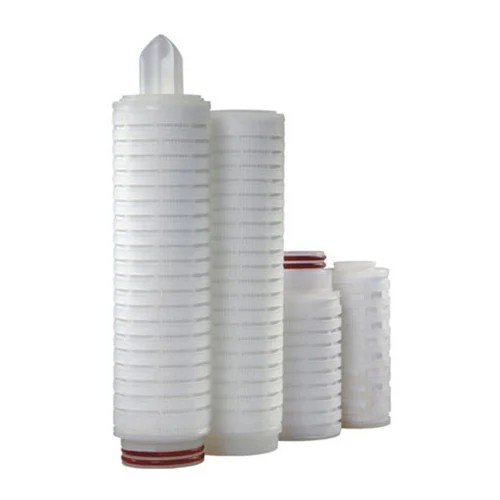
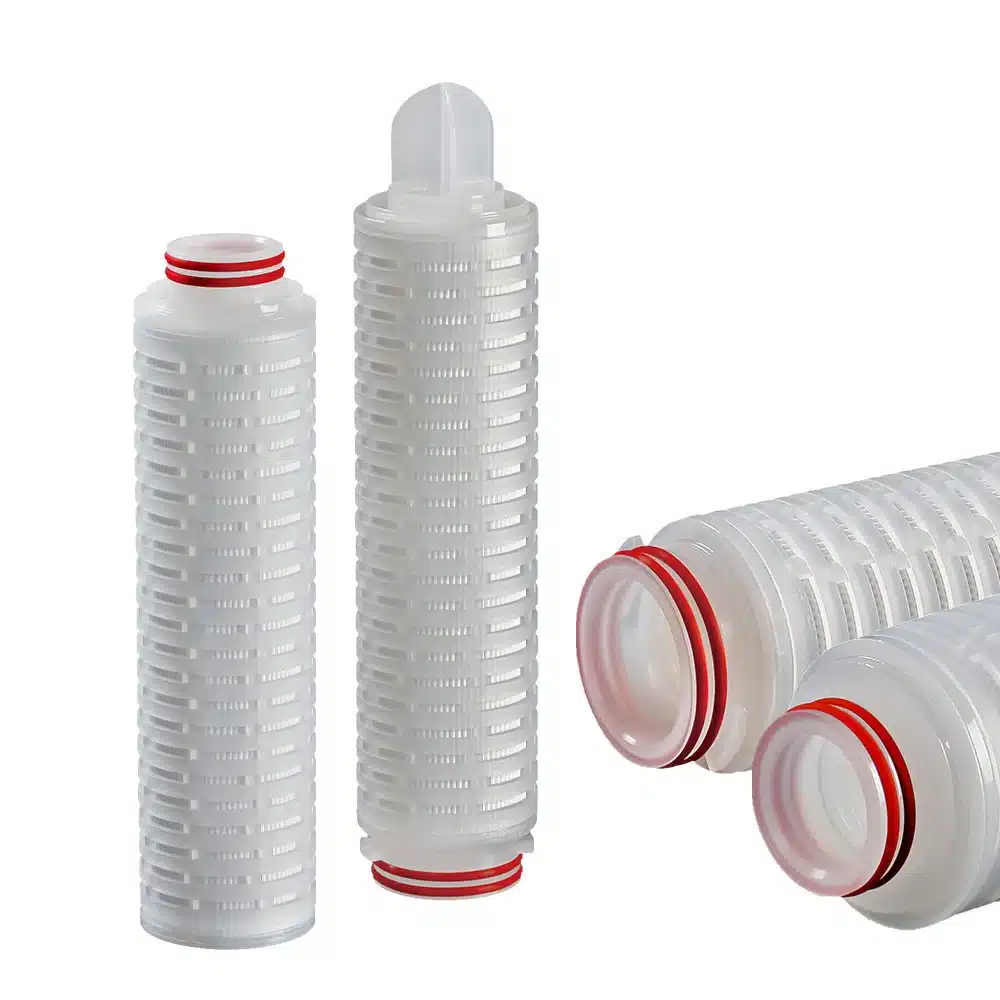
Recommended Filter Cartridges

 English
 Spanish