How Often Should High Flow Filter Cartridges Be Replaced?

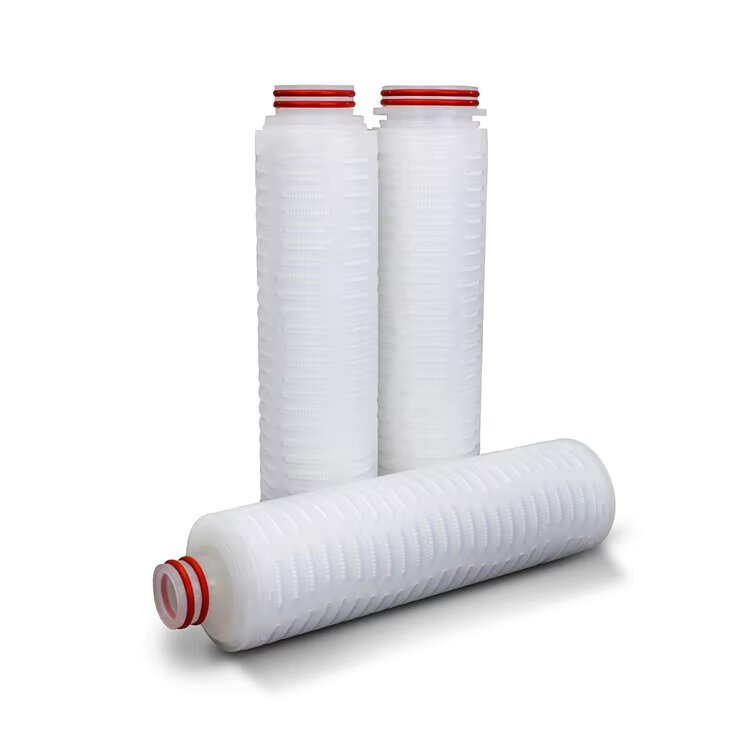
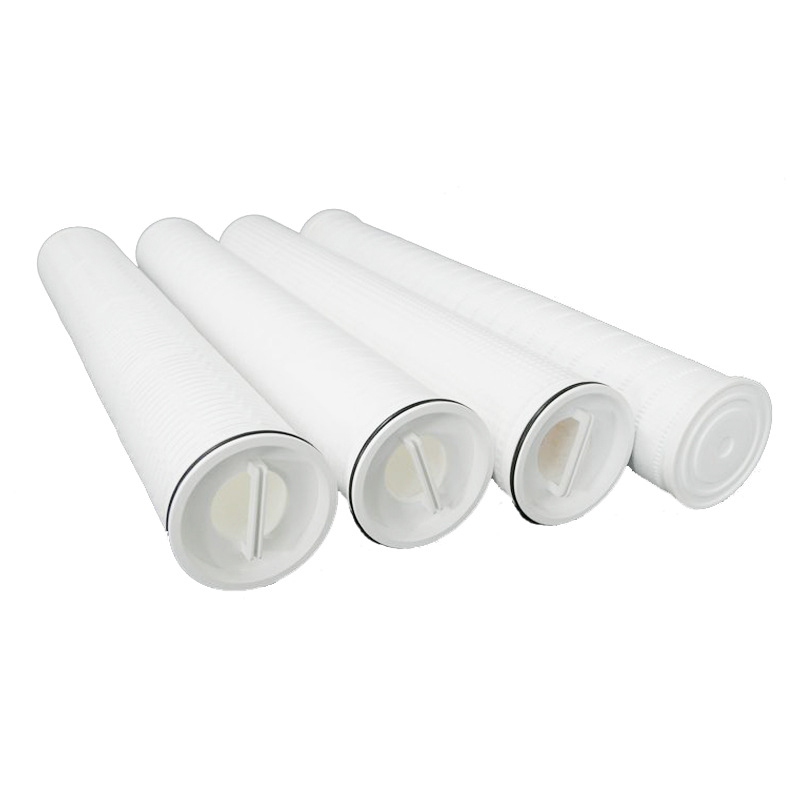
High flow membrane filter cartridges

INTRODUCTION

1.  Replacement Frequency and Operating Cost

High flow filter cartridges play a critical role in modern industrial filtration systems, especially in applications where large volumes of liquid must be treated efficiently and reliably. Compared with conventional filter cartridges, high flow cartridges are designed to handle significantly higher flow rates while maintaining low pressure drop and long service life. However, one question continues to challenge engineers, procurement managers, and plant operators alike:

How often should high flow filter cartridges be replaced?

The answer is not as simple as a fixed number of months. Replacing high flow filter cartridges too frequently increases operating costs, while delaying replacement can lead to higher pressure drop, reduced system efficiency, equipment damage, and even unplanned downtime. Finding the right balance between performance and cost is essential for achieving the lowest total cost of ownership (TCO).

This article focuses on replacement frequency from a cost-control and procurement perspective. Rather than providing a generic timeline, we will explain how replacement decisions directly affect operating expenses, energy consumption, and filtration efficiency—and how users can optimize replacement intervals without sacrificing filtration quality.

2. Cost Impact of Replacing High Flow Filter Cartridges Too Early or Too Late

Replacement timing has a direct and measurable impact on filtration system economics. Both premature replacement and delayed replacement carry hidden costs that are often overlooked.

2.1 The Hidden Cost of Replacing Too Early

Replacing high flow filter cartridges earlier than necessary may seem like a safe approach, but it often leads to unnecessary expenses, including:

  • Higher consumable costs: High flow filter cartridges are typically more expensive than standard cartridges due to their larger size and advanced design. Premature replacement increases annual cartridge consumption.

  • Increased labor costs: Each replacement requires manpower, system shutdown, and restart procedures.

  • Wasted dirt-holding capacity: One of the key advantages of high flow cartridges is their high dirt-holding capacity. Early replacement means a large portion of this capacity is never utilized.

  • Reduced return on investment (ROI): The system does not fully benefit from the cartridge’s designed service life.

For procurement teams focused on cost reduction, replacing cartridges based solely on a fixed schedule—without monitoring actual performance—can significantly inflate annual filtration costs.

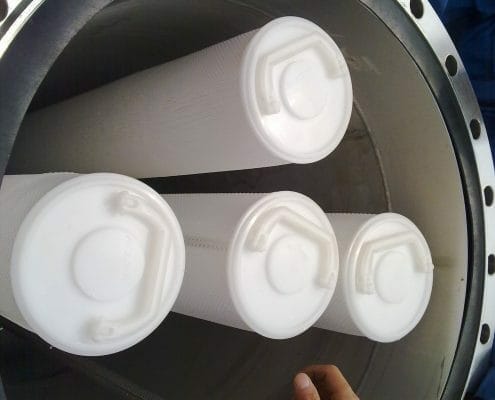
High Flow Pleated membrane Filters Cartridge

2.2 The Risk of Replacing Too Late

On the other hand, delaying replacement beyond the optimal point can create even more serious consequences:

  • Increased pressure drop: As contaminants accumulate, differential pressure rises, forcing pumps to work harder.

  • Higher energy consumption: Elevated pressure drop leads to increased power usage, which raises operating costs over time.

  • Flow rate reduction: Insufficient flow can disrupt downstream processes and reduce system throughput.

  • Risk of filter bypass or damage: Excessive pressure may deform the cartridge or compromise sealing, allowing unfiltered fluid to pass through.

  • Unplanned downtime: Cartridge failure can cause emergency shutdowns, resulting in production losses that far exceed the cost of timely replacement.

In many industrial environments, the cost of downtime is significantly higher than the cost of filter cartridges themselves. Therefore, delayed replacement often results in greater overall losses.


3. How High Flow Filter Cartridge Design Extends Service Life

Understanding why high flow filter cartridges typically last longer than conventional cartridges helps explain how replacement frequency can be optimized.

3.1 Large Filtration Area

High flow cartridges are usually designed with a much larger diameter and pleated structure, which provides:

  • Significantly increased filtration surface area

  • Lower flux per unit area

  • More uniform contaminant distribution

This design allows the cartridge to capture more contaminants before reaching its terminal pressure drop, extending service life.


3.2 High Dirt-Holding Capacity

Compared to traditional filter cartridges, high flow cartridges can hold several times more contaminants. This high dirt-holding capacity means:

  • Fewer cartridge change-outs per year

  • More stable filtration performance over time

  • Reduced maintenance frequency

In large-scale filtration systems, this advantage translates directly into lower operating costs.


3.3 Low Initial Pressure Drop

High flow cartridges are engineered to maintain a low initial pressure drop even at high flow rates. A lower starting pressure drop provides:

  • Greater operational margin

  • Slower pressure increase over time

  • Longer usable service life

This is particularly important in systems where energy efficiency and pump performance are critical.


4. Comparing Replacement Frequency: High Flow vs Conventional Cartridges

One of the most common mistakes in procurement planning is applying conventional cartridge replacement logic to high flow filtration systems.

4.1 Replacement Cycles of Conventional Filter Cartridges

Traditional filter cartridges typically require:

  • Frequent replacement due to limited surface area

  • Large quantities of cartridges per housing

  • Higher labor and disposal costs

In high-flow applications, multiple standard cartridges are often needed to achieve the required throughput, which further increases maintenance complexity.


4.2 Replacement Cycles of High Flow Filter Cartridges

High flow filter cartridges are designed to reduce replacement frequency by:

  • Handling higher flow rates per cartridge

  • Requiring fewer cartridges per vessel

  • Extending operational intervals

In many systems, one high flow cartridge can replace multiple conventional cartridges, significantly reducing the number of replacements required each year.


4.3 Cost Comparison Over One Year

When evaluated on an annual basis, high flow cartridges often demonstrate:

  • Lower total cartridge consumption

  • Reduced labor hours

  • Lower disposal costs

  • Improved system uptime

Although the unit price of a high flow filter cartridge may be higher, the cost per cubic meter of filtered fluid is often significantly lower.


5. OEM vs Compatible High Flow Filter Cartridges: Service Life Comparison

Another important factor influencing replacement frequency is the choice between OEM (original equipment manufacturer) cartridges and compatible alternatives.

5.1 OEM High Flow Filter Cartridges

OEM cartridges are typically designed specifically for branded housings and systems. Their advantages include:

  • Guaranteed compatibility

  • Stable and predictable performance

  • Compliance with original system specifications

However, OEM cartridges often come with higher purchase costs, which can increase overall operating expenses.


5.2 Compatible High Flow Filter Cartridges

High-quality compatible cartridges, when properly designed and manufactured, can offer:

  • Equivalent filtration efficiency

  • Comparable service life

  • Significant cost savings

The key is selecting a compatible cartridge that matches the original cartridge in terms of material, pleat design, sealing method, and dirt-holding capacity.


5.3 Evaluating Service Life Objectively

Rather than focusing solely on brand name, users should evaluate service life based on:

  • Differential pressure development

  • Actual operating hours

  • Volume of fluid processed

  • Stability of effluent quality

In many cases, compatible high flow filter cartridges can achieve the same replacement interval as OEM cartridges at a lower total cost.


6. Transition to Optimization: Replacement Frequency as a Cost-Control Tool

Replacement frequency should not be treated as a fixed rule. Instead, it should be viewed as a dynamic cost-control variable that can be optimized through proper selection, monitoring, and system design.

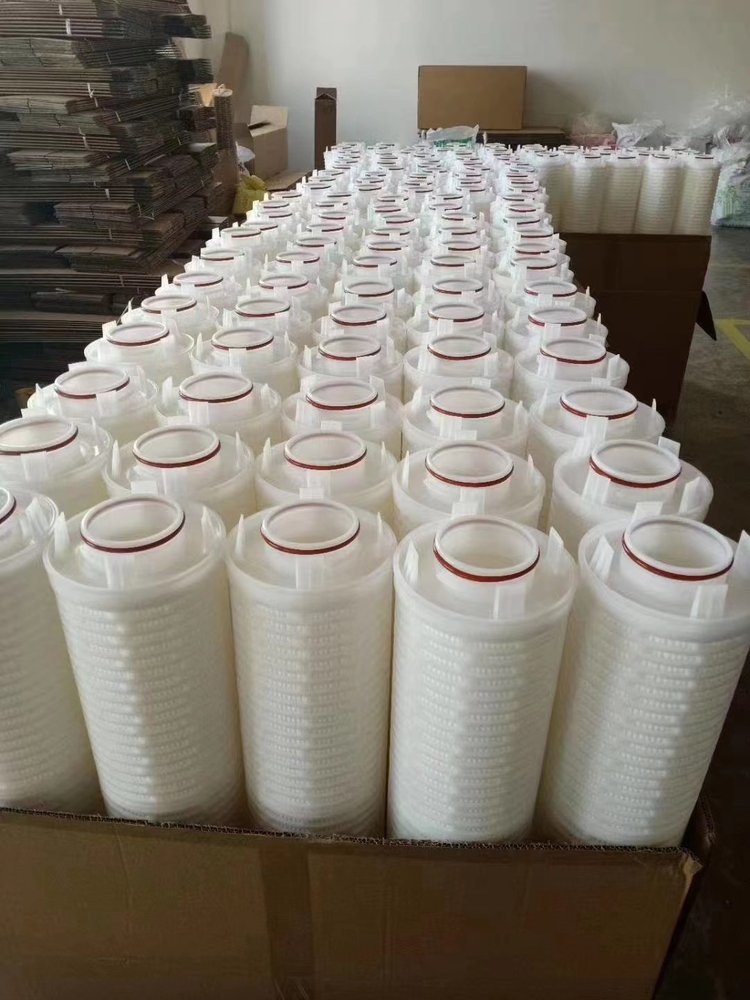
high flow membrane filter cartridges

7. How to Reduce Replacement Frequency Without Sacrificing Filtration Quality

Reducing replacement frequency does not mean compromising filtration performance. In fact, when high flow filter cartridges are properly selected and integrated into a well-designed filtration system, users can achieve both long service life and consistent filtration quality.

The key lies in understanding system conditions and applying practical optimization strategies.


7.1 Correct Cartridge Selection Is the Foundation

One of the most common reasons for premature replacement is incorrect cartridge selection. Even a high-quality high flow filter cartridge will have a shortened lifespan if it is not matched correctly to the application.

Important selection criteria include:

  • Micron rating: Selecting an excessively fine micron rating increases contaminant loading and accelerates pressure drop.

  • Filter media type: Polypropylene, glass fiber, or composite media should be chosen based on fluid compatibility and contaminant characteristics.

  • Flow capacity: The cartridge must be rated for the actual operating flow, not just the theoretical maximum.

  • Operating temperature and chemical compatibility: Incompatible materials can degrade quickly, reducing service life.

By selecting a cartridge that meets—but does not unnecessarily exceed—system requirements, users can maximize dirt-holding capacity and extend replacement intervals.


7.2 Optimize Micron Rating for Cost Efficiency

From a procurement perspective, finer filtration is often assumed to be better. However, this assumption can significantly increase operating costs.

For many industrial systems:

  • A slightly coarser micron rating can still meet downstream quality requirements

  • Pressure drop increases more slowly

  • Replacement intervals are extended

For example, switching from a 5-micron to a 10-micron high flow filter cartridge in suitable applications may double service life without affecting system performance.

Micron rating optimization should always be based on actual process requirements rather than conservative assumptions.


8. The Role of Pre-Filtration in Extending Cartridge Life

Pre-filtration is one of the most effective ways to reduce replacement frequency of high flow filter cartridges.

8.1 Why Pre-Filtration Matters

High flow cartridges are designed to handle large volumes, but they should not be overloaded with coarse contaminants that could be removed upstream. Pre-filtration helps by:

  • Removing large particles before they reach the high flow cartridge

  • Reducing contaminant load

  • Stabilizing pressure increase

This approach allows the high flow cartridge to focus on fine filtration, significantly extending its usable life.


8.2 Common Pre-Filtration Solutions

Effective pre-filtration options include:

  • Multimedia filters

  • Bag filters

  • Coarse depth filter cartridges

  • Automatic self-cleaning filters

Even a simple pre-filtration stage can reduce cartridge replacement frequency by 30–50% in high-solids applications.


9. Monitoring Differential Pressure: The Most Reliable Replacement Indicator

Replacing high flow filter cartridges based on time alone is inefficient. Differential pressure (ΔP) provides a much more accurate indication of cartridge condition.

9.1 Recommended Replacement Based on Pressure Drop

Most high flow filter cartridge manufacturers recommend replacement when differential pressure reaches a specified limit, typically within a defined range depending on system design.

Benefits of pressure-based replacement include:

  • Full utilization of dirt-holding capacity

  • Avoidance of excessive energy consumption

  • Reduced risk of cartridge failure


9.2 Establishing a Pressure Monitoring Routine

To effectively use pressure drop as a replacement indicator:

  • Install pressure gauges at the inlet and outlet

  • Record pressure readings regularly

  • Track pressure trends rather than isolated values

This data-driven approach enables predictive maintenance and prevents unexpected shutdowns.

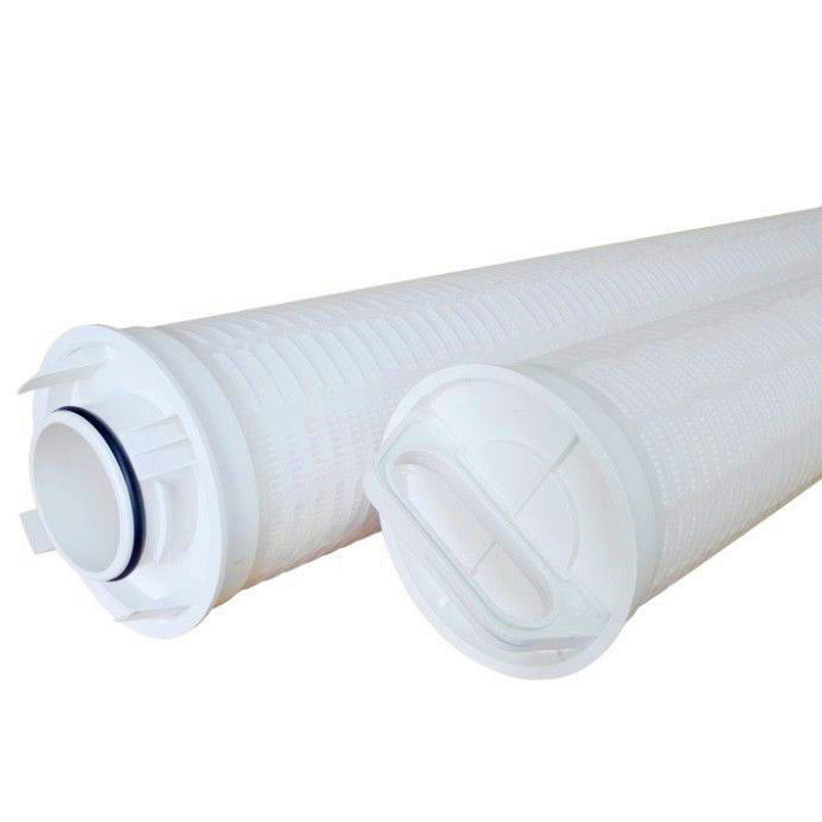
replace high flow filter cartridge replacement

10. OEM vs Compatible Cartridges: Reducing Cost per Replacement Cycle

As discussed in Part 1, cartridge cost plays a major role in overall operating expenses. However, the real metric that matters is not unit price—but cost per operating cycle.

10.1 Evaluating Cost per Cubic Meter Filtered

A cost-effective high flow filter cartridge should be evaluated based on:

  • Purchase cost

  • Service life

  • Volume of fluid filtered

  • Labor and downtime costs

Compatible high flow filter cartridges that match OEM performance often deliver a lower cost per cubic meter filtered, making them an attractive option for cost-conscious users.


10.2 Key Considerations When Choosing Compatible Cartridges

To ensure comparable service life, compatible cartridges should be evaluated for:

  • Equivalent filtration media

  • Similar pleat geometry and surface area

  • Reliable sealing and end-cap design

  • Consistent manufacturing quality

When these criteria are met, replacement frequency remains unchanged while overall filtration cost is reduced.


11. Establishing an Optimal Replacement Schedule

There is no universal replacement interval for high flow filter cartridges. The most cost-effective replacement schedule is application-specific and data-driven.

11.1 Steps to Define the Right Replacement Frequency

  1. Start with manufacturer recommendations

  2. Monitor differential pressure under real operating conditions

  3. Record actual service life and flow volume

  4. Adjust replacement timing based on performance data

Over time, this approach leads to a customized replacement schedule that balances performance, reliability, and cost.


11.2 Continuous Improvement Through Performance Review

Replacement schedules should be reviewed periodically, especially when:

  • Feed water quality changes

  • Flow rate increases

  • New cartridges or media types are introduced

Continuous optimization ensures long-term cost savings and stable system operation.


12. Conclusion: Lower Replacement Frequency, Lower Total Cost

So, how often should high flow filter cartridges be replaced?

The most accurate answer is: when performance data indicates it is necessary—not simply based on time.

By selecting the right cartridge, optimizing micron rating, implementing pre-filtration, monitoring differential pressure, and choosing cost-effective cartridge options, users can significantly extend replacement intervals while maintaining reliable filtration performance.

In large-scale industrial filtration systems, optimizing replacement frequency directly translates into:

  • Lower operating costs

  • Reduced maintenance workload

  • Improved energy efficiency

  • Higher system uptime

For procurement managers and system operators, high flow filter cartridge replacement should be viewed not as a fixed expense, but as a strategic opportunity for cost optimization.


🔍 Practical Tip for Buyers and Engineers

If you are evaluating your current high flow filter cartridge replacement cycle, consider conducting a short-term performance comparison between your existing cartridges and optimized alternatives. Even small improvements in service life can deliver substantial long-term savings.
View All Our Filter Cartridges

1 Micron Cartridge Filters
Depth Filter Cartridge
Hydrophobic PTFE Filter Cartridge for Air & Gas Filtration
Membrane Filter Cartridge
1 Micron Cartridge Filters
High Flow Filter Cartridge
Stainless Steel cartridge Filter Housing
Cartridge Filter Housing
Scroll to Top