High-Efficiency Filtration Solutions for Power Generation Industry
Overview of Power Generation Filtration Challenges
Power generation facilities operate under some of the most demanding industrial conditions, where reliability, efficiency, and operational safety are critical to uninterrupted power supply. Whether in thermal power plants, combined cycle power plants, nuclear power stations, or renewable energy facilities, filtration systems play a fundamental role in protecting critical equipment from particulate contamination, corrosion, fouling, and premature failure.
Modern power plants process enormous volumes of water, chemicals, fuels, and lubricants every day. These fluids inevitably carry suspended solids, corrosion products, biological contaminants, and process residues that can severely impact system performance if not effectively controlled. Even micron-sized particles can lead to:
Erosion of boiler tubes and heat exchangers
Fouling of cooling systems
Blockage of chemical dosing injectors
Damage to turbines, pumps, and valves
Reduced heat transfer efficiency
Increased maintenance and downtime
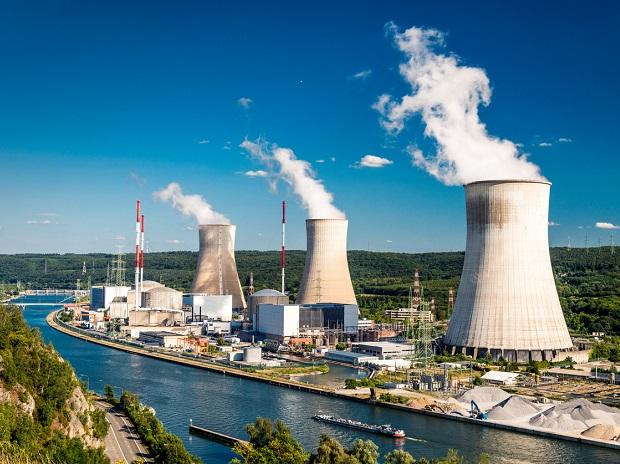
As power plants push toward higher efficiency and lower emissions, the tolerance for contamination becomes increasingly strict. High-efficiency filtration solutions are therefore no longer optional accessories; they are essential infrastructure for maintaining operational reliability and meeting regulatory and performance targets.
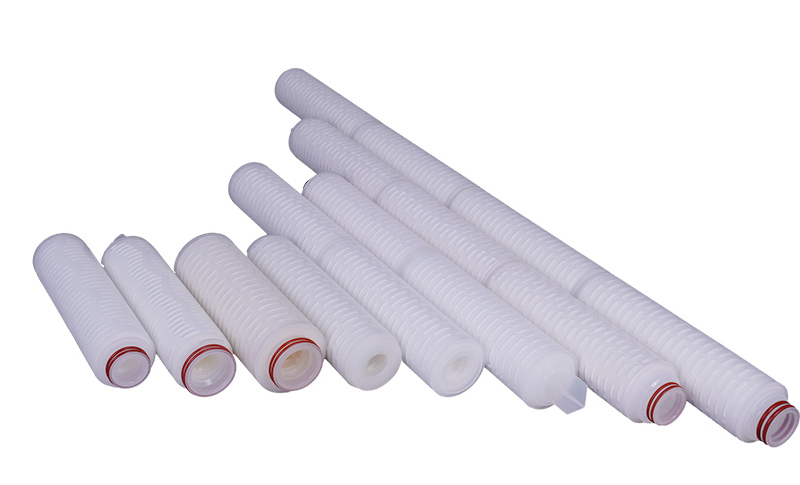
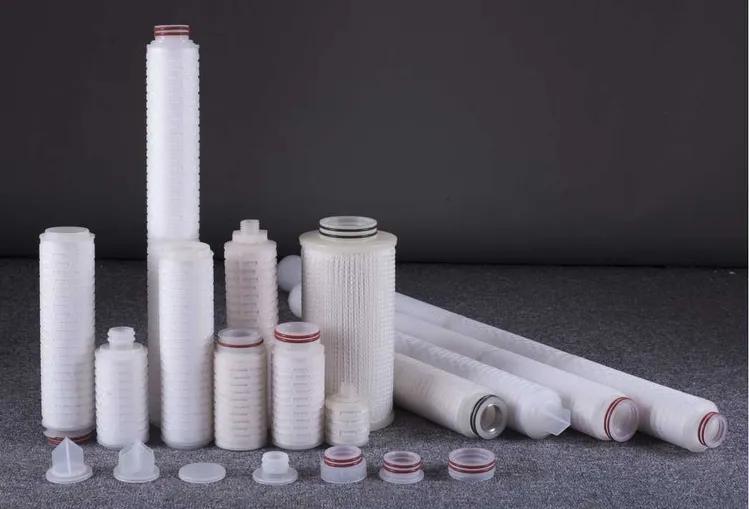
Filter cartridges, especially pleated, depth, membrane, and high flow filter cartridges, have become the backbone of modern power generation filtration systems. By providing precise micron-level particle removal, these filtration solutions protect critical process streams and ensure long-term system stability.
2. Why High-Efficiency Filter Cartridges Are Critical for Power Plants
High-efficiency filtration solutions deliver far more than simple particle removal. In power generation environments, filter cartridges directly influence plant efficiency, safety, and lifecycle cost.
2.1 Protecting Critical Equipment
Boilers, turbines, heat exchangers, and condensers are extremely sensitive to particulate contamination. Fine particles in boiler feed water can deposit on heat transfer surfaces, creating insulating layers that reduce thermal efficiency and accelerate corrosion. High-efficiency filter cartridges remove these particles before they reach critical components, extending equipment service life.
2.2 Improving System Reliability
Unplanned shutdowns are among the most expensive events in power plant operations. Filtration failures often lead to:
Pump seal damage
Valve sticking
Blocked nozzles
Instrument malfunction
By maintaining clean process fluids, high-efficiency filter cartridges significantly reduce failure risk and improve overall plant reliability.
2.3 Supporting Regulatory and Environmental Compliance
Power generation facilities must comply with strict environmental and water quality regulations. Filtration systems help plants meet:
Boiler feed water purity standards
Cooling water discharge limits
Chemical dosing accuracy
Wastewater treatment requirements
High-efficiency filtration solutions therefore contribute directly to environmental compliance and sustainability goals.
2.4 Reducing Operating Costs
Although high-efficiency filter cartridges represent a modest capital investment, they deliver substantial cost savings by:
Extending maintenance intervals
Reducing chemical consumption
Lowering energy losses from fouling
Minimizing spare part replacement
Over the full plant lifecycle, filtration optimization provides a measurable return on investment.
3. Key Applications of Filter Cartridges in Power Generation Industry
High-efficiency filter cartridges are used across multiple critical applications in power generation. Each application has unique requirements for micron rating, material compatibility, and performance stability.
3.1 Boiler Feed Water Filtration
Boiler feed water quality is one of the most critical factors in power plant performance. Suspended solids, corrosion products, and organic matter must be removed before water enters the boiler system.
Typical Challenges:
Iron oxide and corrosion debris
Silica and suspended solids
Biological contamination
Chemical precipitates
Recommended Filter Cartridge Solutions:
Pleated PP Filter Cartridges (1–5 µm): High dirt-holding capacity and low pressure drop
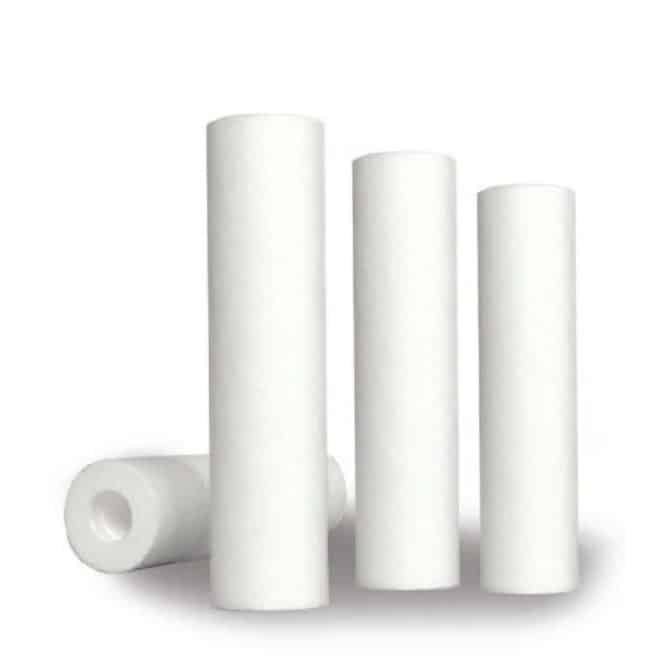
Depth Filter Cartridges: Robust particle loading for pre-filtration
Membrane Filter Cartridges (0.2–0.45 µm): Final polishing for critical systems
These high-efficiency filtration solutions protect boiler tubes, improve heat transfer, and prevent costly scale formation.
3.2 Cooling Water System Filtration
Cooling systems circulate massive volumes of water to remove heat from condensers and heat exchangers. Contamination can cause fouling, corrosion, and biological growth, reducing cooling efficiency.
Typical Challenges:
Sand and silt from raw water
Biofouling organisms
Corrosion particles
Process debris
Recommended Filter Cartridge Solutions:
High Flow Filter Cartridges: High throughput with low pressure drop
Pleated Filter Cartridges: Fine particle control for heat exchanger protection
Depth Filter Cartridges: Pre-filtration to extend service life
High-efficiency filtration ensures stable cooling performance and prevents efficiency losses caused by fouling.
3.3 Condensate Polishing Filtration
Condensate polishing systems remove fine contaminants from condensed steam before it is returned to the boiler feed water system. This is essential for maintaining ultra-pure water conditions.
Typical Challenges:
Sub-micron corrosion products
Resin fines
Organic contaminants
Trace particulates
Recommended Filter Cartridge Solutions:
Membrane Filter Cartridges (0.1–0.2 µm): High-efficiency final filtration
Pleated Filter Cartridges: High surface area for long service life
Condensate polishing filtration improves boiler chemistry control and reduces corrosion risk.
3.4 Chemical Dosing System Filtration
Chemical dosing systems rely on accurate injection of treatment chemicals for corrosion control, scale inhibition, and pH adjustment. Even small particles can block injectors and disrupt dosing accuracy.
Typical Challenges:
Crystallized chemicals
Particulate contamination
Pump wear
Nozzle blockage
Recommended Filter Cartridge Solutions:
Pleated Filter Cartridges (1–10 µm): Precise particle control
Nylon or PVDF Filter Cartridges: Chemical compatibility with aggressive solutions
High-efficiency filtration protects dosing equipment and ensures stable chemical treatment performance.

4. Recommended Filter Cartridge Solutions for Power Generation Filtration Systems
Selecting the right filter cartridge technology is essential for achieving high-efficiency filtration in power generation applications. Different process streams require different filtration mechanisms, materials, and performance characteristics.
4.1 Pleated Filter Cartridges for Power Plants
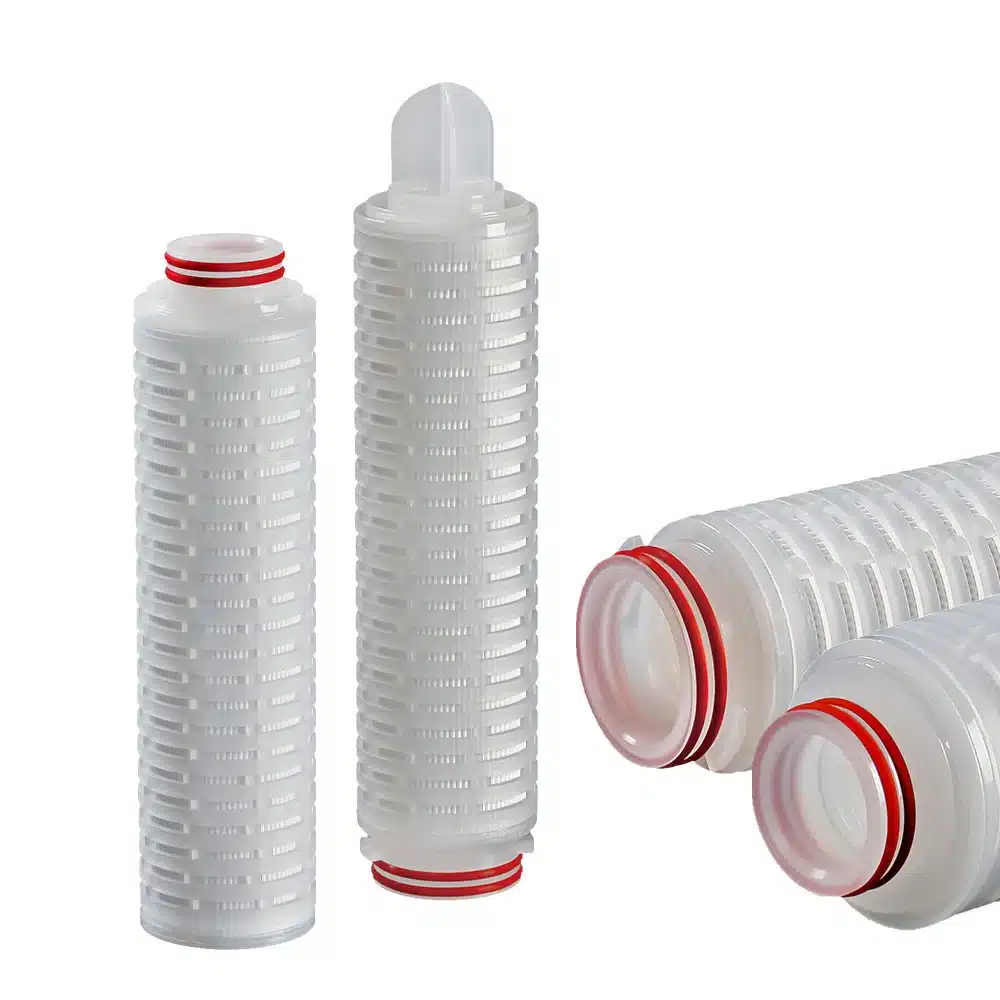
Pleated filter cartridges are the most widely used filtration solution in power generation due to their high surface area, excellent dirt-holding capacity, and low pressure drop.
Key Advantages:
Large filtration area for extended service life
Stable micron ratings from 0.5 to 100 µm
Low differential pressure for energy efficiency
Available in PP, PVDF, PES, and Nylon
Typical Applications:
Boiler feed water filtration
Cooling water filtration
Condensate polishing pre-filtration
Chemical dosing system protection
4.2 High Flow Filter Cartridges
High flow filter cartridges are designed for large-volume power plant applications where flow rates are extremely high and footprint must be minimized.
Key Advantages:
Flow rates up to 100 m³/h per cartridge
Reduced housing size and installation cost
Long service life
Easy retrofit for existing systems
Typical Applications:
Cooling water systems
Raw water intake filtration
Seawater desalination pre-filtration
4.3 Depth Filter Cartridges
Depth filter cartridges provide robust particulate retention through a thick, multi-layer structure that captures particles throughout the media thickness.
Key Advantages:
Excellent dirt-holding capacity
High contaminant loading
Cost-effective pre-filtration
Stable performance under variable conditions
Typical Applications:
Raw water pre-filtration
Boiler feed water pre-filtration
Process water filtration
4.4 Membrane Filter Cartridges
Membrane filter cartridges provide absolute-rated filtration and are used for critical polishing and microbiological control applications.
Key Advantages:
Absolute micron ratings (0.1–0.45 µm)
High retention efficiency
Integrity testable
Compatible with CIP and SIP processes
Typical Applications:
Condensate polishing
Final boiler feed water filtration
Demineralized water systems
5. How to Select the Right Filter Cartridge for Power Generation
Choosing the optimal filtration solution requires a systematic engineering approach.
5.1 Define Process Requirements
Key parameters include:
Required micron rating
Flow rate and operating pressure
Temperature and chemical compatibility
Cleanliness level targets
5.2 Evaluate Contaminant Characteristics
Particle size distribution
Chemical composition
Fouling tendency
5.3 Select the Appropriate Filter Cartridge Technology
| Application | Recommended Technology | Typical Micron Rating |
|---|---|---|
| Boiler Feed Water | Pleated / Depth | 1–5 µm |
| Cooling Water | High Flow / Pleated | 5–50 µm |
| Condensate Polishing | Membrane / Pleated | 0.1–1 µm |
| Chemical Dosing | Pleated / Nylon | 1–10 µm |
5.4 Optimize System Design
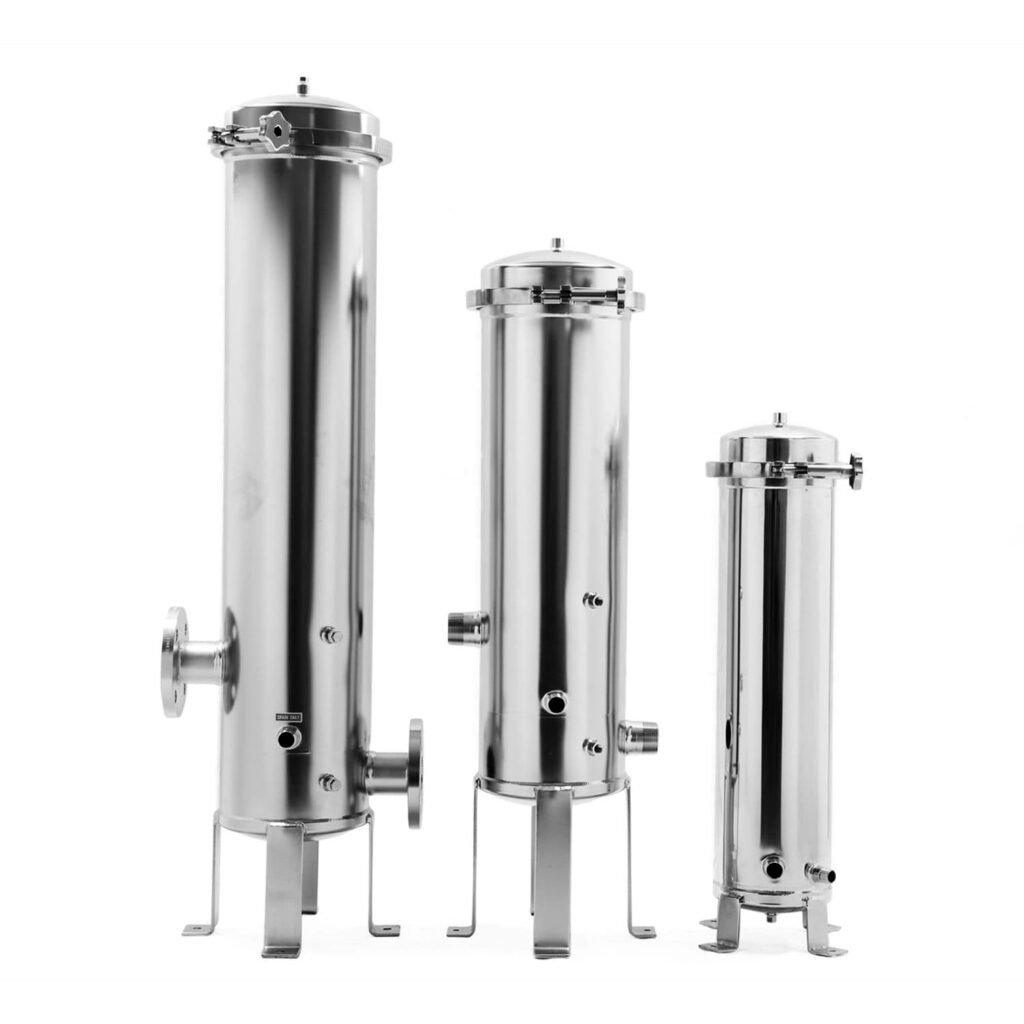
Housing configuration
Redundancy and bypass
Differential pressure monitoring
Maintenance strategy
6. Compliance and Industry Standards
High-efficiency filtration solutions for power generation must comply with international standards and industry best practices.
Key Standards:
ISO 9001 and ISO 14001 for manufacturing quality
Compliance ensures reliable performance, traceability, and regulatory acceptance.
7. Benefits of Choosing High-Efficiency Filtration Solutions
Implementing high-efficiency filtration solutions delivers measurable operational, financial, and environmental benefits for power generation facilities.
7.1 Improved Plant Reliability
By removing particulate contamination before it reaches critical equipment, filter cartridges significantly reduce:
Boiler tube fouling
Heat exchanger blockage
Pump and valve wear
Turbine damage
This results in fewer unplanned shutdowns and longer maintenance intervals.
7.2 Enhanced Energy Efficiency
Clean heat transfer surfaces improve thermal efficiency. Even small reductions in fouling can translate into:
Lower fuel consumption
Reduced greenhouse gas emissions
Improved power output stability
High-efficiency filtration directly supports efficiency and sustainability goals.
7.3 Lower Total Cost of Ownership
Optimized filtration reduces:
Chemical usage
Spare parts consumption
Maintenance labor
Equipment replacement frequency
Over the lifecycle of a power plant, this delivers substantial cost savings.
7.4 Improved Environmental Compliance
Filtration systems help power plants meet:
Water discharge regulations
Boiler chemistry standards
Wastewater treatment requirements
This minimizes environmental risk and regulatory exposure.
8. FAQ for Power Plant Filtration Systems
Q1: What micron rating is best for boiler feed water filtration?
Typically 1–5 µm for pre-filtration and 0.2–1 µm for final polishing, depending on water quality requirements.
Q2: Why are pleated filter cartridges preferred in power generation?
They offer high surface area, long service life, stable performance, and low pressure drop, making them ideal for high-efficiency filtration.
Q3: Can high flow filter cartridges replace multiple standard cartridges?
Yes. One high flow cartridge can replace 20–40 standard cartridges, reducing housing size and maintenance time.
Q4: What materials are suitable for power generation filtration?
Polypropylene, PVDF, PES, and Nylon are commonly used due to their chemical and thermal resistance.
Q5: How often should filter cartridges be replaced?
Replacement depends on contaminant load and differential pressure, but optimized systems typically achieve several months of service life.
9. Conclusion and Technical Recommendations
High-efficiency filtration solutions are a critical foundation for reliable, efficient, and sustainable power generation operations. By selecting the right filter cartridge technologies—pleated, depth, membrane, and high flow—and optimizing system design, power plants can achieve:
Improved equipment protection
Higher energy efficiency
Reduced operating costs
Enhanced environmental compliance
For engineers and plant operators, investing in advanced filtration is one of the most cost-effective strategies to maximize plant performance and long-term reliability.
View All Our Filter Cartridges

 English
 Spanish