
What Is Membrane Filter and How Does It Work?
INTRODUCTION
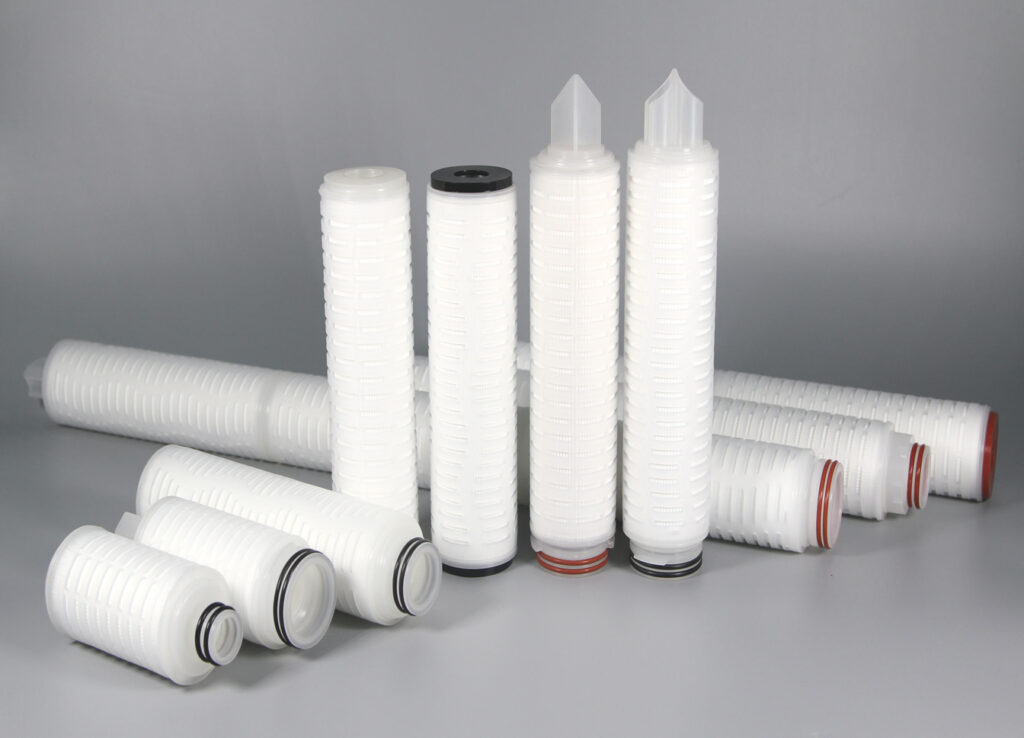
A membrane filter is a critical component in modern filtration systems, widely used across industries to purify liquids and gases. It is a thin, selective barrier that allows certain substances to pass through while blocking others, providing precise separation of particles, microorganisms, and contaminants.
Understanding what is membrane filter and how it functions is essential for industries such as water treatment, pharmaceuticals, food and beverage, biotechnology, and chemical processing. In this article, we will explore the definition, types, working mechanisms, applications, advantages, and selection criteria for membrane filters. This comprehensive guide aims to help both professionals and general readers understand and utilize membrane filtration technology effectively.
What is Membrane Filter (Definition of Membrane Filter)
A membrane filter is a thin layer of material with microscopic pores that separates substances based on size, molecular weight, or chemical properties. Unlike traditional filters that rely solely on mechanical strain, membrane filters provide precise filtration and are capable of removing particles as small as nanometers.
Key Characteristics of Membrane Filters:
Selective permeability
Microscopic pore sizes ranging from 0.001 µm to 10 µm
Compatibility with liquids and gases
Resistance to chemicals, temperature, and pressure (depending on material)
Types of Membrane Filters
Pore size: 0.1–10 µm
Removes suspended solids, bacteria, and larger particles
Commonly used in water treatment, dairy processing, and beverage clarification
Ultrafiltration Filter (UF)
Pore size: 0.01–0.1 µm
Removes viruses, proteins, and colloidal substances
Widely used in pharmaceutical and bioprocessing industries
Nanofiltration Filter (NF)
Pore size: ~0.001 µm
Removes divalent ions, organic molecules, and some salts
Ideal for softening water and removing specific contaminants
Reverse Osmosis Filter (RO)
Pore size: <0.001 µm
Removes almost all dissolved solids and ions
Key technology in seawater desalination and ultrapure water production
Materials Used in Membrane Filters:
Polymeric membranes: PVDF, PES, PTFE, Polypropylene
Ceramic membranes: Alumina, Zirconia, Silicon Carbide
Metal membranes: Stainless steel for high-temperature applications
Each type and material is selected based on the application, chemical compatibility, and desired filtration efficiency.
Learn More >> What is Filter Micron Rating – Norminal vs Absolute Micron Rating
How Membrane Filters Work
Membrane filtration works on the principle of selective separation, allowing certain molecules to pass while blocking others. The filtration mechanism varies depending on the type of membrane and application.
Filtration Mechanisms
Size Exclusion (Sieving Effect)
The most common mechanism for MF and UF membranes
Particles larger than the pore size are trapped on the surface or within the membrane matrix
Example: Microfiltration removes suspended solids from water
Adsorption
Certain molecules attach to the membrane surface due to chemical affinity
Often used in removing contaminants that do not match the pore size
Example: Activated carbon membranes adsorb organic compounds
Diffusion (Solution-Diffusion Mechanism)
Common in NF and RO membranes
Water or solvent molecules pass through the membrane, while solutes are retained
Driven by pressure gradients or concentration differences
Flow Configurations
Membrane systems typically use two types of flow:
Dead-End Filtration
The feed solution flows perpendicular to the membrane
Solids accumulate on the membrane surface, forming a filter cake
Best suited for low-solids applications
Advantage: Simple design and lower initial cost
Cross-Flow Filtration
The feed solution flows tangentially across the membrane
Particles are swept away by the cross-flow, reducing fouling
Ideal for high-solids or continuous processes
Advantage: Longer membrane life and consistent performance
Factors Affecting Membrane Performance
Pore size and distribution: Determines the separation efficiency
Operating pressure: Higher pressure improves flux but may damage membranes
Temperature: Excess heat can deform polymer membranes
pH and chemical exposure: Incompatible chemicals can degrade the membrane
Flow rate and turbulence: Affects fouling and cake formation
Maintaining optimal operating conditions ensures maximum efficiency, longevity, and cost-effectiveness of membrane filters.
Applications of Membrane Filters
Membrane filters are versatile and used in a wide range of industries:
1. Water and Wastewater Treatment
Removal of bacteria, viruses, suspended solids, and chemical contaminants
UF and RO membranes provide clean, safe drinking water
NF membranes are used for water softening and partial desalination
2. Food and Beverage Industry
Clarification of juices, beer, and wine
Concentration of dairy products like milk and whey
Removal of microorganisms to extend shelf life without additives
3. Pharmaceutical and Biotech Processes
Sterile filtration of injectable solutions
Separation and concentration of proteins and enzymes
Production of ultrapure water for drug formulation
4. Industrial and Chemical Filtration
Filtration of chemicals, solvents, and acids
Removal of fine particles in electronics manufacturing
Recovery of valuable materials from industrial waste streams
5. Environmental Applications
Treatment of industrial effluents
Removal of micropollutants and heavy metals
Support for sustainable water reuse programs
Key Takeaway: Membrane filters improve product quality, safety, and process efficiency while reducing environmental impact.
Advantages of Using Membrane Filters
Membrane filtration offers several benefits compared to conventional filtration methods:
High precision: Can remove microscopic particles and microorganisms
Consistent quality: Provides uniform separation with predictable performance
Compact design: Smaller footprint than traditional filtration systems
Chemical resistance: Many membranes withstand aggressive chemicals
Energy efficiency: Certain configurations require less energy than thermal separation
Scalable: Suitable for small-scale labs or large industrial operations
Membrane filters are considered an essential technology in modern filtration systems because they combine efficiency, flexibility, and sustainability.
Tips for Selecting a Membrane Filter
Choosing the right membrane filter is critical for achieving optimal filtration performance, longevity, and cost-effectiveness. Consider the following factors when selecting a membrane filter for your application:
1. Determine the Filtration Goal
Particle size removal: Identify the smallest particle you need to remove. Microfiltration is suitable for larger particles, while ultrafiltration, nanofiltration, or reverse osmosis is required for viruses, dissolved salts, or molecules.
Contaminant type: Consider whether contaminants are suspended solids, dissolved ions, microorganisms, or chemical compounds.
2. Select the Appropriate Membrane Type
| Membrane Type | Typical Pore Size | Ideal Application |
|---|---|---|
| Microfiltration (MF) | 0.1–10 µm | Water clarification, juice and beer filtration |
| Ultrafiltration (UF) | 0.01–0.1 µm | Protein separation, pharmaceutical solutions |
| Nanofiltration (NF) | ~0.001 µm | Water softening, partial desalination |
| Reverse Osmosis (RO) | <0.001 µm | Seawater desalination, ultrapure water production |
3. Consider Membrane Material
Polymeric membranes: Lightweight, flexible, and cost-effective. Materials like PVDF, PES, PTFE, and polypropylene are common. Suitable for most water and chemical applications.
Ceramic membranes: High temperature and chemical resistance. Ideal for harsh industrial environments.
Metal membranes: Extremely durable, resist corrosion, and can handle high pressures. Suitable for specialty industrial applications.
4. Evaluate Operating Conditions
Pressure rating: Ensure the membrane can handle the system’s operating pressure.
Temperature: Verify compatibility with hot water or high-temperature processes.
pH tolerance: Check the chemical resistance to acids, alkalis, or solvents in the process stream.
5. Flow Configuration and System Design
Dead-end filtration: Suitable for low-solid applications with intermittent operation.
Cross-flow filtration: Recommended for high-solid feed or continuous operation to minimize fouling.
Module design: Hollow fiber, spiral wound, and flat sheet are common membrane module types. Select based on space constraints and maintenance preferences.
6. Maintenance and Replacement Considerations
Check availability of cleaning solutions compatible with the membrane.
Consider lifespan and replacement frequency. High-quality membranes may last longer and reduce downtime.
Ensure the supplier provides technical support and operational guidance.
By carefully assessing these factors, you can select a membrane filter that maximizes efficiency, reduces operational costs, and ensures reliable filtration results.
Maintenance and Longevity of Membrane Filters
Proper maintenance is essential to preserve membrane performance and extend service life. Here are key practices:
1. Regular Cleaning
Physical cleaning: Backwashing to remove accumulated particles from the membrane surface.
Chemical cleaning: Use appropriate cleaning agents to remove fouling caused by organics, scaling, or biofilms.
Frequency: Depends on feed water quality, system design, and manufacturer recommendations.
2. Monitor System Performance
Track pressure drop across the membrane. A rising pressure indicates fouling.
Monitor permeate flow rate and water quality. Declining flow or decreased quality signals membrane performance issues.
3. Avoid Damage
Prevent exposure to incompatible chemicals or temperatures beyond the membrane’s specification.
Avoid sudden pressure spikes that could rupture the membrane.
Handle membranes carefully during installation or replacement to avoid tears or punctures.
4. Replace When Necessary
Membrane life varies: MF/UF membranes typically last 2–5 years, RO membranes 3–7 years depending on usage.
Signs of replacement: Persistent fouling, decreased flux, or compromised product quality.
Following these maintenance guidelines ensures that membrane filters deliver consistent performance and maximize return on investment.
Learn More >> How to Choose Right Pleated Filter Cartridges for System
Frequently Asked Questions (FAQs)
Q1: What is a membrane filter used for?
A membrane filter is used to separate particles, microorganisms, and contaminants from liquids or gases. Applications include water purification, beverage clarification, pharmaceutical production, and industrial chemical filtration.
Q2: How does a membrane filter differ from traditional filters?
Unlike conventional filters that rely on mechanical sieving or depth filtration, membrane filters provide precise separation at microscopic or nanoscopic levels. They can remove bacteria, viruses, dissolved salts, and colloids that traditional filters cannot.
Q3: Can a membrane filter remove viruses?
Yes, ultrafiltration, nanofiltration, and reverse osmosis membranes can remove viruses based on their pore size, making them suitable for applications requiring sterile or pathogen-free water.
Q4: What are common problems with membrane filters?
Fouling from organic matter or suspended solids
Scaling from mineral deposits
Chemical degradation if exposed to incompatible solutions
Physical damage due to improper handling
Q5: How long does a membrane filter last?
Membrane lifespan depends on type, application, and maintenance. Polymeric membranes typically last 2–5 years, while ceramic or metal membranes can last longer in harsh environments.
Conclusion
Understanding what is membrane filter and how it works is crucial for industries and applications that require precise and reliable filtration. Membrane filters provide:
High separation efficiency
Versatility across multiple industries
Compact design and energy efficiency
Ability to remove microorganisms, particles, and dissolved contaminants
Selecting the right membrane filter involves evaluating your filtration goals, feed water or liquid characteristics, membrane type, material, and operating conditions. Proper maintenance and monitoring ensure longevity and optimal performance, making membrane filtration a cost-effective and sustainable solution.
Whether you are designing a water purification plant, producing pharmaceutical-grade liquids, or improving industrial processes, membrane filters are an indispensable technology. By choosing the right type and maintaining it correctly, you can achieve high-quality filtration, regulatory compliance, and operational efficiency.
Recommended Filter Cartridges

 English
 Spanish