
Understanding Bubble Point Test Filters: Principles and Applications
1. Overview of Bubble Point Test Filters
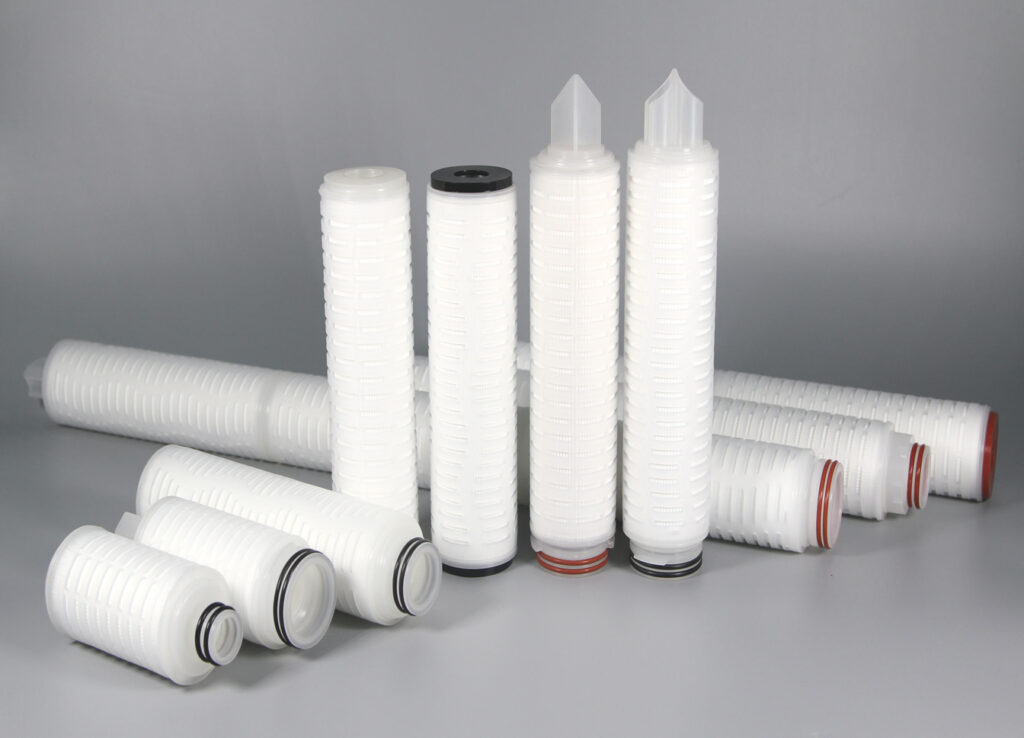
Bubble point test filters are critical components in industrial and laboratory filtration systems. They are primarily used to verify the integrity and performance of membrane filters, ensuring that no defects or oversized pores exist that could compromise the filtration process. The term “bubble point” refers to the pressure at which a continuous stream of gas bubbles passes through a wetted filter, indicating the largest pore in the membrane.
Integrity testing with bubble point test filters is essential in applications where the quality of filtered air or liquids directly impacts product safety. These applications include pharmaceutical manufacturing, food and beverage production, water treatment, and industrial gas filtration. Without proper bubble point testing, filters may allow contaminants to bypass the membrane, leading to product contamination, equipment damage, or regulatory non-compliance.
Bubble point test filters are widely favored because the method is non-destructive, repeatable, and correlates well with pore size distribution. Unlike simple flow tests, bubble point testing provides quantitative information about the largest membrane pores, helping operators ensure consistent filtration performance.
2. Comparison with Other Integrity Tests
Although bubble point testing is widely used, it is not the only method for verifying filter integrity. Understanding its advantages and limitations compared to other methods helps industrial operators make informed decisions.
2.1 Diffusion Test vs Bubble Point Test
The diffusion test measures the rate of gas flow through a wetted membrane under a set pressure. It is sensitive to small defects but does not provide a clear indication of the largest pore size. Bubble point testing, on the other hand, directly identifies the pressure required to displace liquid from the largest pore. For applications where membrane pore size is critical, bubble point testing is often preferred.
2.2 Pressure Hold Test vs Bubble Point Test
The pressure hold test, sometimes called a forward pressure decay test, evaluates leakage under a fixed pressure. It is simple and effective but less sensitive to minor pore size variations. Bubble point testing complements pressure hold tests by quantifying the largest pore diameter, providing a higher degree of confidence in filter integrity.
2.3 When to Choose Bubble Point Testing
Bubble point testing is particularly useful in critical sterile gas filtration, hydrophobic membrane applications, and regulated pharmaceutical processes, where quantitative verification of pore size and membrane integrity is required. In combination with other tests, bubble point testing ensures comprehensive quality assurance.
Learn More>> The Importance of Bubble Point Test for Filter Integrity

3. Hydrophobic vs Hydrophilic Filters
One of the most important considerations in bubble point testing is the type of filter membrane. Filters can be broadly categorized into hydrophobic and hydrophilic membranes, each requiring different testing approaches.
3.1 Wetting Challenges
Hydrophilic membranes readily absorb water or aqueous solutions, allowing for straightforward bubble point testing using water as the wetting fluid. Hydrophobic membranes, such as PTFE or certain PVDF membranes, repel water, making it difficult to achieve complete wetting. For hydrophobic filters, alcohols or low-surface-tension liquids are used to wet the membrane properly, ensuring accurate test results.
3.2 Differences in Bubble Point Pressure
Hydrophobic filters typically exhibit higher bubble point pressures than hydrophilic filters of the same nominal pore size. This is due to the lower surface energy and higher contact angle of hydrophobic materials. Incorrect wetting can lead to false low readings, potentially causing a defective filter to pass the test.
3.3 Material Considerations
When selecting a bubble point test filter for industrial applications, operators should consider:
Membrane type (PTFE, PVDF, Nylon, etc.)
Nominal pore size and thickness
Application environment (air, gas, liquid, temperature, pressure)
These factors influence wetting requirements, pressure ramp rates, and data interpretation.
Learn More>> How to Process Bubble Point Testing for Hydrophobic Filters?
4. How to Conduct Bubble Point Testing
The process of bubble point testing for filters is methodical and requires careful attention to detail. The general procedure is similar across industries, but hydrophobic membranes demand special considerations.
4.1 Recommended Wetting Fluids
Hydrophobic filters require complete wetting to ensure accurate results. Common wetting fluids include:
Isopropyl alcohol (IPA)
Ethanol
Alcohol-water mixtures (for controlled surface tension)
The goal is to fill all membrane pores with the liquid to create a uniform barrier that gas pressure can later displace.
4.2 Pressurization Methods
Once the filter is properly wetted:
The filter is connected to the test apparatus.
Gas pressure (typically air or nitrogen) is applied gradually to the upstream side.
Pressure should be increased linearly, avoiding overshoot.
A controlled ramp rate is critical to observe the exact point where the first continuous stream of bubbles emerges downstream.
4.3 Observation Techniques
Continuous bubble stream: Indicates true bubble point.
Isolated bubbles: Usually represent surface imperfections or incomplete wetting, not the largest pore.
Accurate observation is essential for reliable integrity verification. Many laboratories now use automated bubble detection systems to minimize human error.
5. Applications Across Industries of Bubble Point Test Filters
Bubble point test filters are used in a wide range of industrial applications where filter integrity is critical. Understanding these applications helps operators choose the right testing protocols and ensures compliance with industry standards.
5.1 Pharmaceutical Manufacturing
In pharmaceutical and biotech industries, bubble point test filters are commonly employed in:
Sterile air filtration for cleanrooms and isolators
Fermenter and bioreactor venting to prevent microbial contamination
Tank vent filters to maintain product sterility during storage
These applications demand highly reliable testing, often integrated into GMP validation protocols. Bubble point testing ensures that hydrophobic membrane filters meet pore size specifications and remain free from defects that could compromise sterile operations.
5.2 Food and Beverage Industry
Bubble point test filters are also critical in the food and beverage sector, particularly for:
Carbonated beverage tanks
Sterile venting of storage vessels
Compressed gas filtration for carbonation and nitrogen purging
Testing ensures that the filters maintain clean gas flow without allowing microbial or particulate contamination, especially in processes where beverages are exposed to air.
5.3 Industrial Gas Filtration
In industrial applications, bubble point test filters are used to protect compressed air systems, inert gas lines, and process gases. Proper testing helps prevent:
Equipment damage due to particulate bypass
Contamination in sensitive processes
Safety hazards caused by defective filtration
The versatility of bubble point testing across these industries demonstrates its critical role in quality assurance and process safety.
6. Common Issues and Solutions
Despite the robustness of bubble point testing, several common issues may arise, especially when testing hydrophobic filters. Understanding these problems and their solutions ensures accurate and reliable results.
6.1 Misinterpretation of Results
Problem: Observing isolated bubbles and mistaking them for the bubble point
Solution: Only consider a continuous stream of bubbles as the true bubble point. Ensure proper wetting and stable pressure increase.
6.2 Incomplete Wetting
Problem: Hydrophobic membranes resist wetting, leading to artificially low bubble point readings.
Solution: Use low-surface-tension liquids (IPA, ethanol, or alcohol-water mixtures) and allow sufficient time for membrane saturation.
6.3 Testing Errors
Problem: Pressure overshoot or unstable ramp rates
Solution: Maintain a controlled, linear pressure ramp and monitor with precise gauges. Automated bubble detection systems can improve consistency.
6.4 Equipment Considerations
Ensure that pressure sources, tubing, and seals are leak-free.
Maintain a clean testing environment to avoid contamination of the wetting liquid or membrane surface.
By addressing these challenges proactively, operators can ensure that bubble point testing provides reliable and repeatable verification of filter integrity.
7. Conclusion and Best Practices
Bubble point test filters are indispensable tools for verifying the integrity of membrane filters across pharmaceutical, food and beverage, and industrial gas applications. By understanding the differences between hydrophobic and hydrophilic membranes, applying proper wetting methods, and controlling testing parameters, operators can ensure that filters function reliably and safely.
Best Practices Include:
Selecting appropriate wetting fluids for hydrophobic filters
Maintaining a controlled pressure ramp during testing
Observing the true bubble point (continuous bubble stream)
Documenting test results and correlating with manufacturer specifications
Retesting when abnormal results occur
Properly conducted bubble point testing not only safeguards product quality and process safety but also supports regulatory compliance and long-term operational reliability.
References
PDA Technical Report No. 26 – Sterilizing Filtration of Liquids
ASTM F838 – Standard Test Methods for Determining Bacterial Retention of Membrane Filters
Jornitz, M. W., & Meltzer, T. H., Filtration and Separation Technology, Elsevier
Uhlmann, D. R., Surface Tension and Wetting in Porous Materials, Journal of Membrane Science
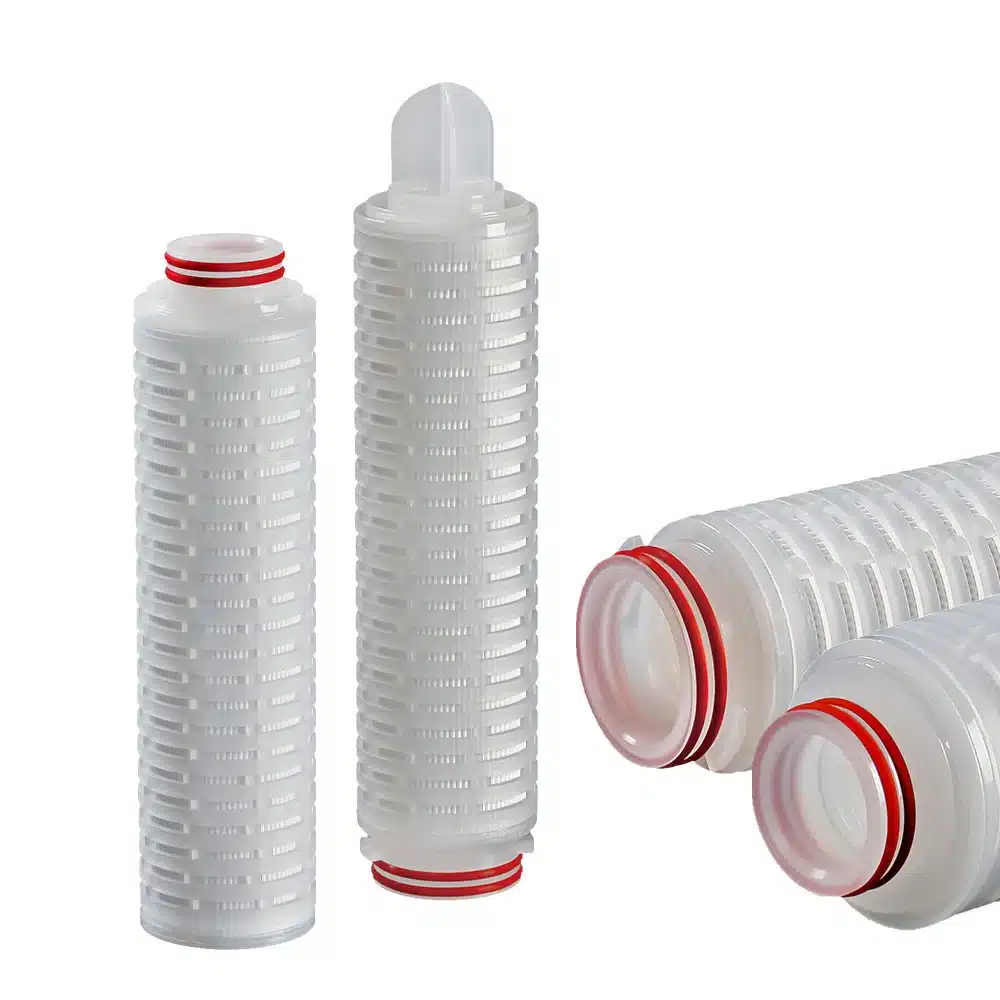
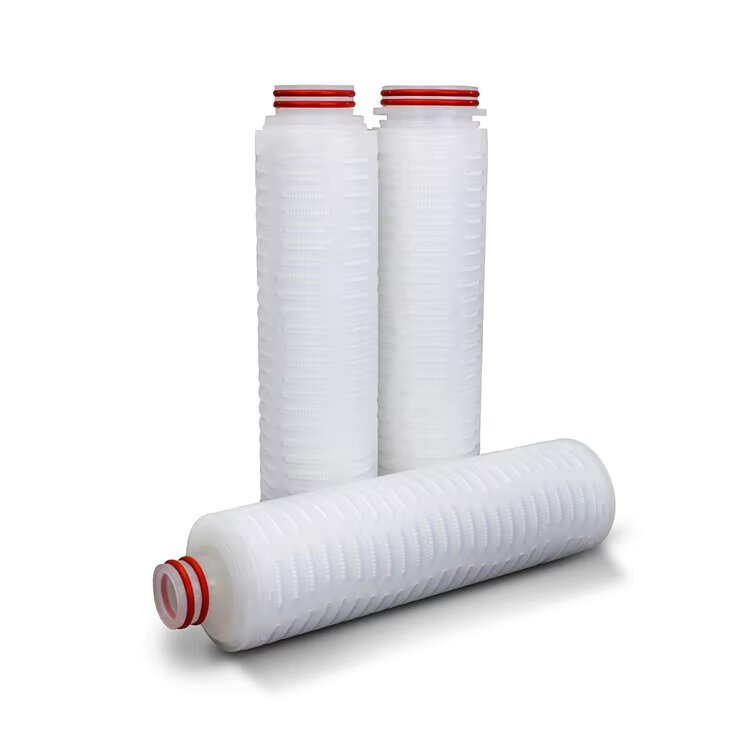
Recommended Filter Cartridges

 English
 Spanish