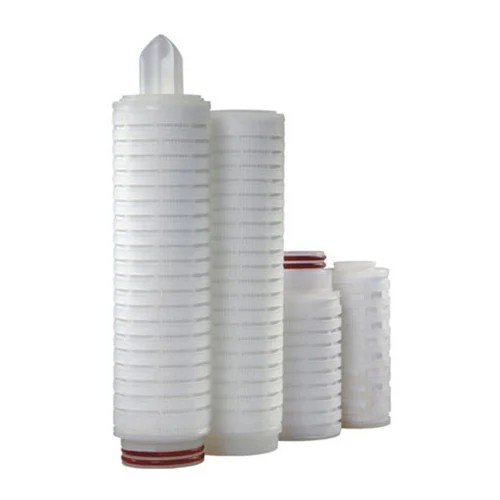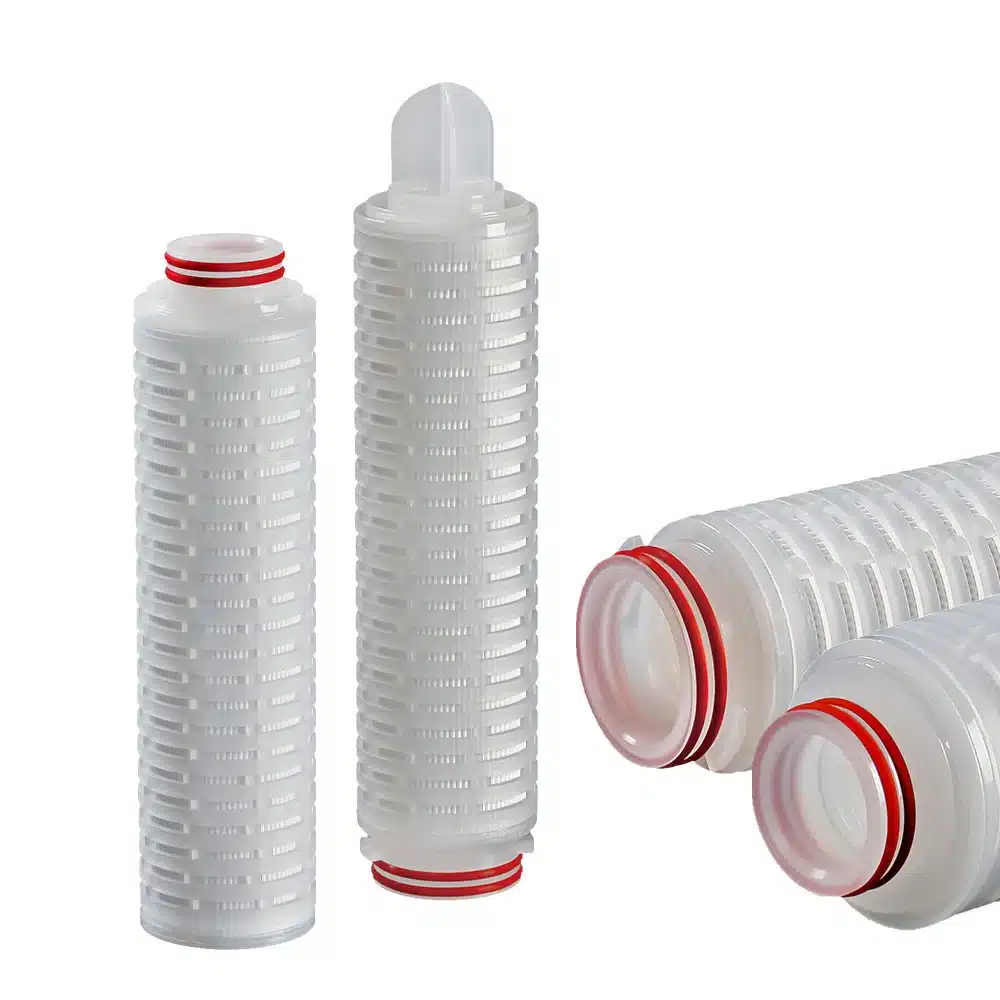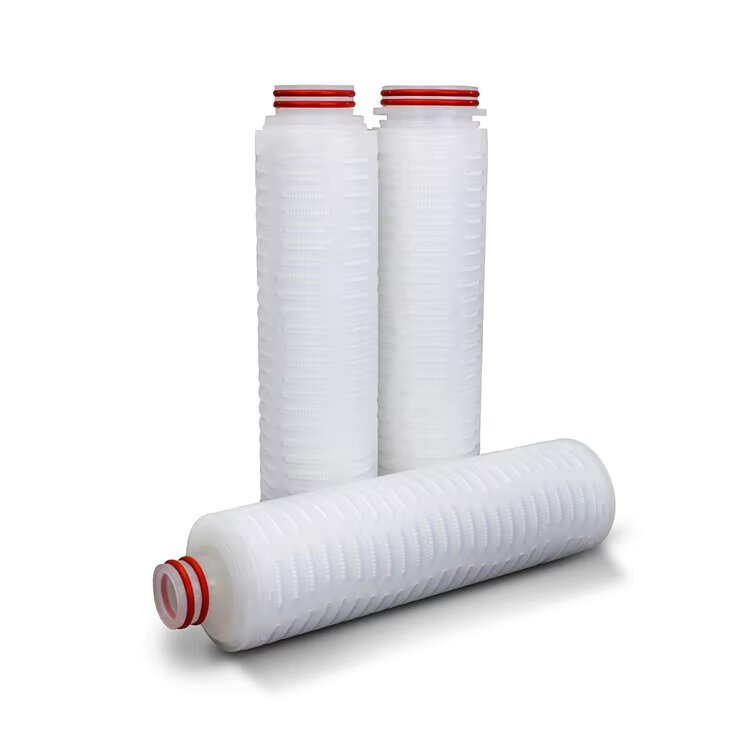
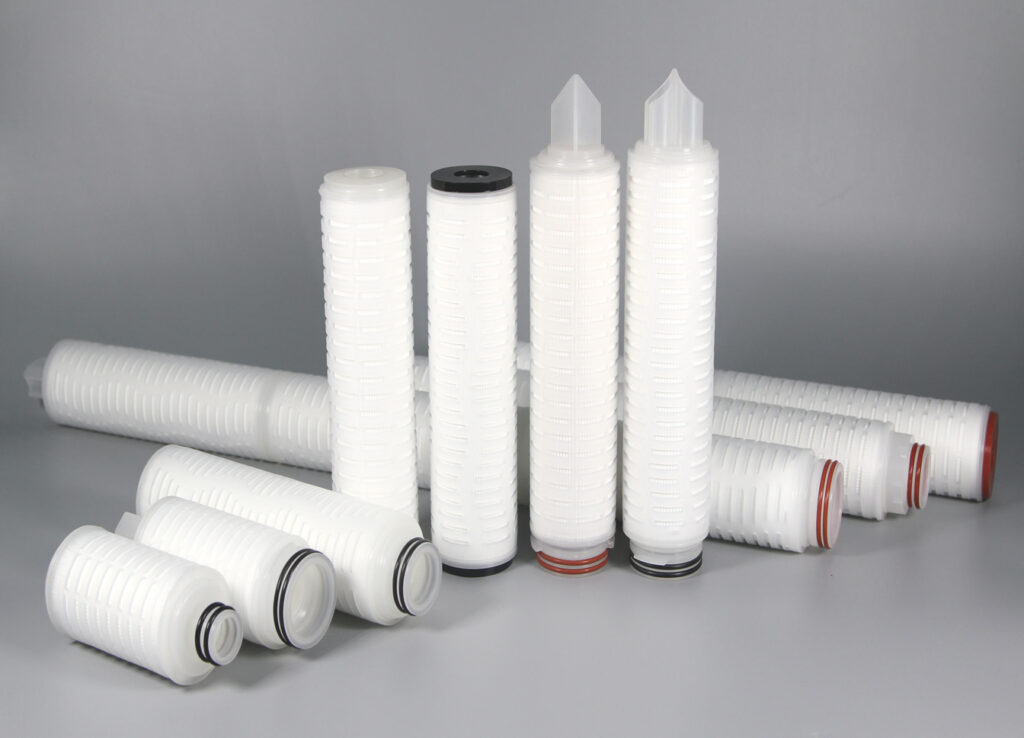
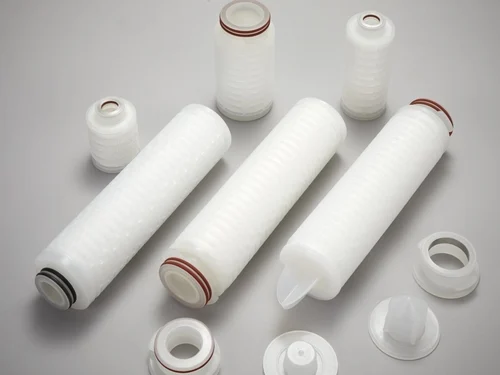
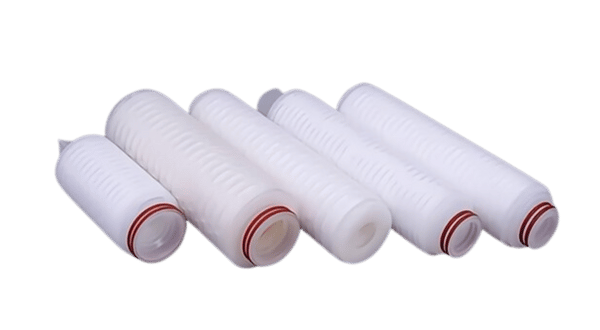
How to Extend PP Pleated Filter Cartridge Service Life and Reduce Replacement Frequency

INTRODUCTION
In many filtration systems, operators expect PP pleated filter cartridges to provide stable performance and long service life. However, frequent clogging, rising pressure drop, and repeated cartridge replacement remain common challenges in water treatment, food processing, and industrial filtration systems. These issues not only increase operating costs but also cause unexpected downtime and maintenance burdens. The good news is that most premature filter failures are not caused by cartridge quality alone. Instead, they are often linked to system design, filtration structure selection, and operating conditions. By understanding the real causes of rapid clogging and adopting improved filtration strategies such as double-layer and multi-layer PP pleated cartridges, system efficiency and filter lifespan can be significantly improved.
Common Causes of Short Filter Cartridge Life
A PP pleated filter cartridge may clog quickly when system conditions exceed its design capacity.
Key factors include:
High suspended solids and particulate load
Improper filtration rating selection
Excessive flow rate or pressure fluctuations
Lack of adequate pre-filtration
Surface fouling from colloids, oil, or organic matter
When these conditions persist, particles accumulate rapidly on the filter surface, causing early blockage and increasing differential pressure.

Signs Your Filter Cartridge Needs Optimization
If your filtration system experiences any of the following symptoms, cartridge lifespan optimization is needed:
Differential pressure rises rapidly after installation
Replacement frequency becomes shorter over time
Flow rate drops significantly during operation
Filtration performance becomes inconsistent
Maintenance costs increase unexpectedly
These warning signs often indicate structural or system-level inefficiencies rather than simple cartridge wear.
Upgrade to Double-Layer PP Pleated Filter Cartridges
Double-layer PP pleated cartridges use a two-stage filtration structure designed to capture contaminants more efficiently.
How It Works
Outer layer: captures larger particles and reduces surface loading
Inner layer: removes fine particles for final filtration
Benefits
✔ Higher dirt-holding capacity
✔ Slower pressure drop increase
✔ Extended service life
✔ Reduced replacement frequency
Ideal Applications
RO membrane pretreatment
Food & beverage processing
Industrial process water
Municipal water treatment
This layered approach distributes contaminant loading more evenly, preventing premature clogging.
Switch to Multi-Layer Gradient Density Design
Multi-layer PP pleated cartridges feature gradient density filtration media, allowing progressive particle retention.
Structural Advantages
Outer coarse layer traps large particles
Middle layers capture medium-sized contaminants
Inner fine layer ensures final filtration accuracy
Performance Improvements
✔ Significantly increased dirt-holding capacity
✔ Longer operating cycles
✔ More stable filtration efficiency
✔ Improved system reliability
Recommended Use
High turbidity water sources
Industrial wastewater treatment
Cooling tower & circulating water systems
High-load filtration environments
This depth-loading mechanism allows contaminants to be captured throughout the media rather than only on the surface.
Performance Comparison: Single vs Double vs Multi-Layer Cartridges
| Feature | Single-Layer PP Cartridge | Double-Layer PP Cartridge | Multi-Layer PP Cartridge |
|---|---|---|---|
| Dirt-holding capacity | Low | Medium–High | Very High |
| Pressure drop rise | Fast | Moderate | Slow |
| Service life | Short | Extended | Longest |
| Resistance to clogging | Limited | Improved | Excellent |
| Filtration stability | Moderate | High | Very High |
| Best application | Low solids water | RO pretreatment | High-load systems |
| Replacement frequency | Frequent | Reduced | Minimal |

Improve System Design to Reduce Fouling
Even the best filter cartridge cannot perform optimally without proper system design.
Recommended Improvements
Install multi-stage pre-filtration
Sand filter or multimedia filter
Bag filter or screen filter
Melt blown sediment cartridges
Control flow velocity
Prevent particle impact embedding
Reduce surface fouling
Maintain stable pressure conditions
Avoid sudden pressure spikes
Prevent media deformation
These measures significantly reduce the contaminant load reaching the pleated cartridge.
Operating Tips to Extend PP Pleated Filter Cartridge Service Life
Proper operation and monitoring can dramatically extend cartridge lifespan.
Replace cartridges when differential pressure reaches recommended limits
Avoid exceeding rated flow capacity
Perform periodic system flushing
Prevent exposure to incompatible chemicals or high temperatures
Monitor water quality variations
Proactive maintenance helps prevent premature clogging and system disruption.
When to Replace vs. When to Upgrade
Frequent cartridge replacement is often a sign of improper filter selection rather than unavoidable wear.
Consider upgrading if:
Cartridges clog within days or weeks
Operating costs continue rising
Water quality varies significantly
System downtime impacts productivity
Switching to double-layer or multi-layer PP pleated cartridges often provides immediate improvements in performance and cost efficiency.
Conclusion
Rapid clogging of PP pleated filter cartridges is rarely caused by a single factor. Instead, it results from the combined effects of filtration structure, contaminant load, and system design. By upgrading to double-layer or multi-layer gradient density cartridges, optimizing pre-filtration, and maintaining proper operating conditions, facilities can significantly extend cartridge lifespan, reduce replacement frequency, and improve overall filtration efficiency. These improvements not only lower operating costs but also enhance system reliability and productivity.