
Types of Membrane Filter Cartridges Used in Seawater Desalination Industry
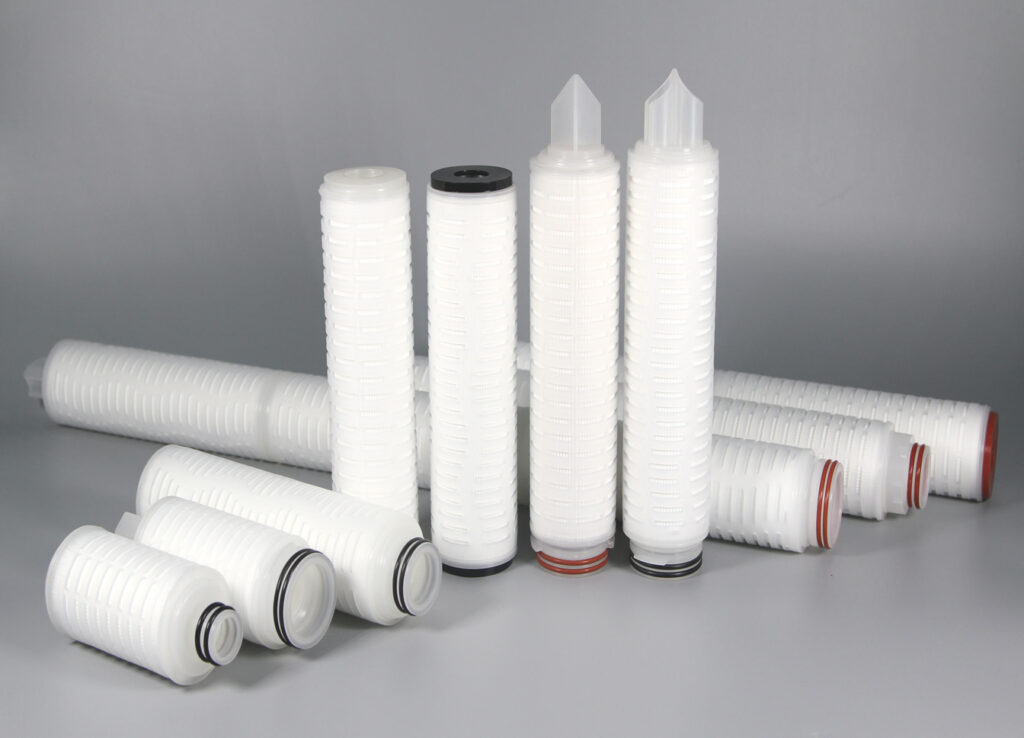
Types of Membrane Filters Used in Seawater Desalination
Seawater desalination is a critical process to convert saline water into potable or industrial-quality water. At the heart of this process are membrane filtration systems, which remove salts, suspended solids, and other impurities. Selecting the right membrane filter not only ensures optimal system performance but also reduces maintenance costs and energy consumption.
Membrane filters in desalination are generally classified based on driving mechanism, permeability, and material. In this guide, we explore the most common types of membranes used in seawater desalination, their features, applications, and selection tips.
Featured Snippet potential:
A membrane filter in seawater desalination removes salts and impurities using pressure-driven or semi-permeable membranes. Types include MF, UF, NF, and RO, each with specific applications in pre-treatment and main desalination stages.
Overview of Membrane Filtration Technologies
Membrane filtration technologies are essential for efficient salt removal and pre-treatment in desalination systems. The main types include:
Microfiltration (MF) – removes large particles, suspended solids, and microorganisms.
Ultrafiltration (UF) – removes fine particles, bacteria, and colloids; often used in pre-treatment.
Nanofiltration (NF) – partially removes salts and organic compounds; sometimes used in softening or specialty water production.
Reverse Osmosis (RO) – removes almost all dissolved salts and impurities; the core process in seawater desalination.
Each membrane type serves a specific role, from pre-treatment to main desalination, ensuring longevity of RO membranes and overall system efficiency.
External references for authority:
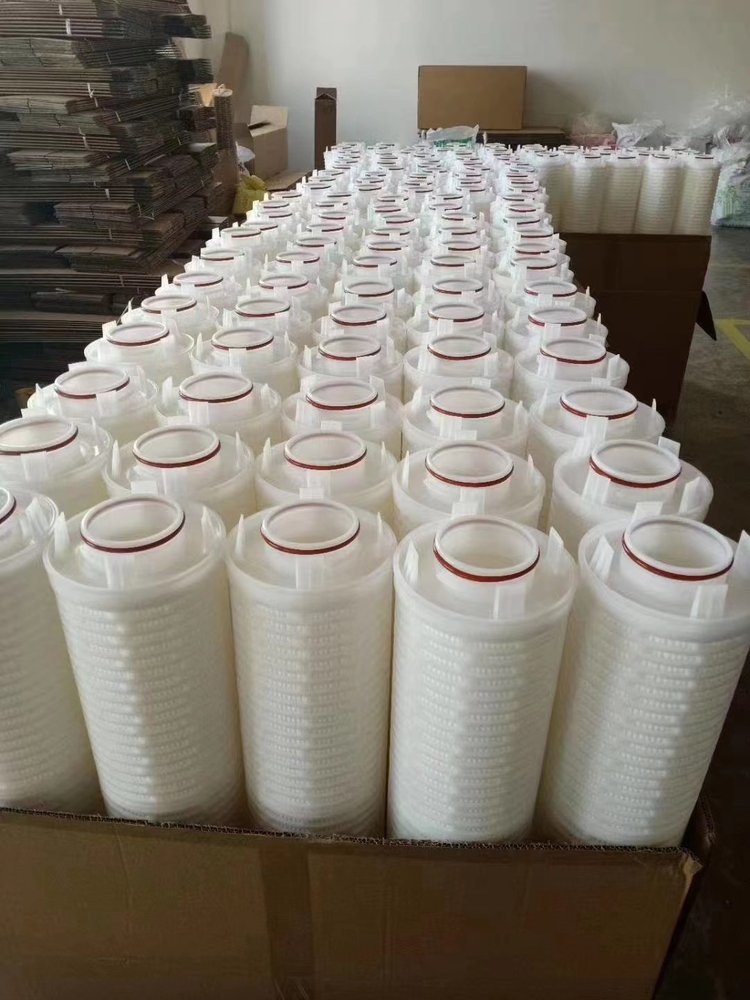
Pressure-Driven Membranes
Microfiltration (MF) and Ultrafiltration (UF)
Function: MF and UF membranes are primarily used in pre-treatment. They remove suspended solids, colloids, and microorganisms that could foul downstream RO membranes.
Operating Principle:
MF: Pore size 0.1–1.0 µm
UF: Pore size 0.01–0.1 µm
Both use pressure-driven flow, typically 1–4 bar, forcing water through the membrane while retaining particles.
Applications:
Protecting RO membranes in seawater desalination plants
Industrial water pretreatment for boilers, cooling towers, and food & beverage systems
Advantages:
High removal efficiency for solids and bacteria
Low chemical usage compared to conventional coagulation
Can operate continuously with backwash systems
Limitations:
Cannot remove dissolved salts or small organics
Requires periodic cleaning to avoid fouling
Featured Snippet opportunity:
MF and UF membranes in seawater desalination remove suspended solids and bacteria from seawater using pressure-driven flow, ensuring RO membranes are protected and performance is maintained.
Operating Pressure and Flow Rate
| Membrane Type | Typical Pressure | Flow Rate | Applications |
|---|---|---|---|
| MF | 1–2 bar | High | Pretreatment, solids removal |
| UF | 1–4 bar | Medium | Pretreatment, bacteria & colloid removal |
High flow rates help maintain system efficiency and reduce downtime.
Selecting the right MF/UF configuration ensures optimal RO performance downstream.
Semi-Permeable Membranes for Salt Removal
Reverse Osmosis (RO) Membranes
Function: RO membranes are the core of seawater desalination, capable of removing up to 99% of dissolved salts, minerals, and contaminants.
Operating Principle:
Uses high pressure (50–80 bar) to force water through a semi-permeable membrane
Dissolved salts and impurities are retained; fresh water passes through
Applications:
Seawater desalination for drinking water
Industrial process water
Power plant cooling water
Advantages:
High salt rejection rate
Produces potable-quality water
Widely used and reliable technology
Limitations:
High energy consumption
Sensitive to fouling and scaling
Requires pre-treatment (MF/UF)
Nanofiltration (NF) Membranes
Function: NF membranes provide partial desalination and softening, suitable for applications where full RO is unnecessary or for brackish water treatment.
Key Features:
Lower operating pressure than RO (6–30 bar)
Retains divalent and multivalent ions, removes some organic compounds
Applications:
Industrial water softening
Specialty drinking water
Pre-treatment for RO systems
Comparison Table (RO vs NF):
| Feature | RO Membrane | NF Membrane |
|---|---|---|
| Salt Rejection | 99% | 50–90% |
| Operating Pressure | 50–80 bar | 6–30 bar |
| Application | Seawater desalination | Brackish water, softening |
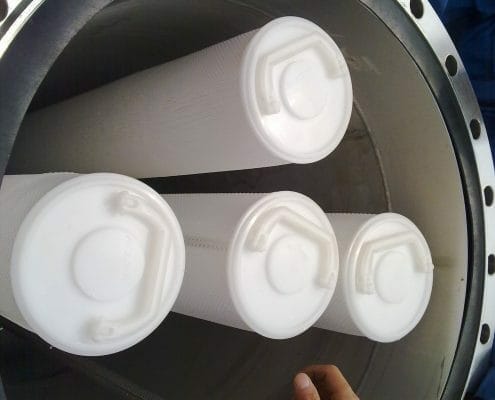
Pressure-Driven Membranes
Microfiltration (MF) and Ultrafiltration (UF)
Function: MF and UF membranes are primarily used in pre-treatment. They remove suspended solids, colloids, and microorganisms that could foul downstream RO membranes.
Operating Principle:
MF: Pore size 0.1–1.0 µm
UF: Pore size 0.01–0.1 µm
Both use pressure-driven flow, typically 1–4 bar, forcing water through the membrane while retaining particles.
Applications:
Protecting RO membranes in seawater desalination plants
Industrial water pretreatment for boilers, cooling towers, and food & beverage systems
Advantages:
High removal efficiency for solids and bacteria
Low chemical usage compared to conventional coagulation
Can operate continuously with backwash systems
Limitations:
Cannot remove dissolved salts or small organics
Requires periodic cleaning to avoid fouling
Featured Snippet opportunity:
MF and UF membranes in seawater desalination remove suspended solids and bacteria from seawater using pressure-driven flow, ensuring RO membranes are protected and performance is maintained.
Operating Pressure and Flow Rate
| Membrane Type | Typical Pressure | Flow Rate | Applications |
|---|---|---|---|
| MF | 1–2 bar | High | Pretreatment, solids removal |
| UF | 1–4 bar | Medium | Pretreatment, bacteria & colloid removal |
High flow rates help maintain system efficiency and reduce downtime.
Selecting the right MF/UF configuration ensures optimal RO performance downstream.
Semi-Permeable Membranes for Salt Removal
Reverse Osmosis (RO) Membranes
Function: RO membranes are the core of seawater desalination, capable of removing up to 99% of dissolved salts, minerals, and contaminants.
Operating Principle:
Uses high pressure (50–80 bar) to force water through a semi-permeable membrane
Dissolved salts and impurities are retained; fresh water passes through
Applications:
Seawater desalination for drinking water
Industrial process water
Power plant cooling water
Advantages:
High salt rejection rate
Produces potable-quality water
Widely used and reliable technology
Limitations:
High energy consumption
Sensitive to fouling and scaling
Requires pre-treatment (MF/UF)
Nanofiltration (NF) Membranes
Function: NF membranes provide partial desalination and softening, suitable for applications where full RO is unnecessary or for brackish water treatment.
Key Features:
Lower operating pressure than RO (6–30 bar)
Retains divalent and multivalent ions, removes some organic compounds
Applications:
Industrial water softening
Specialty drinking water
Pre-treatment for RO systems
Comparison Table (RO vs NF):
| Feature | RO Membrane | NF Membrane |
|---|---|---|
| Salt Rejection | 99% | 50–90% |
| Operating Pressure | 50–80 bar | 6–30 bar |
| Application | Seawater desalination | Brackish water, softening |
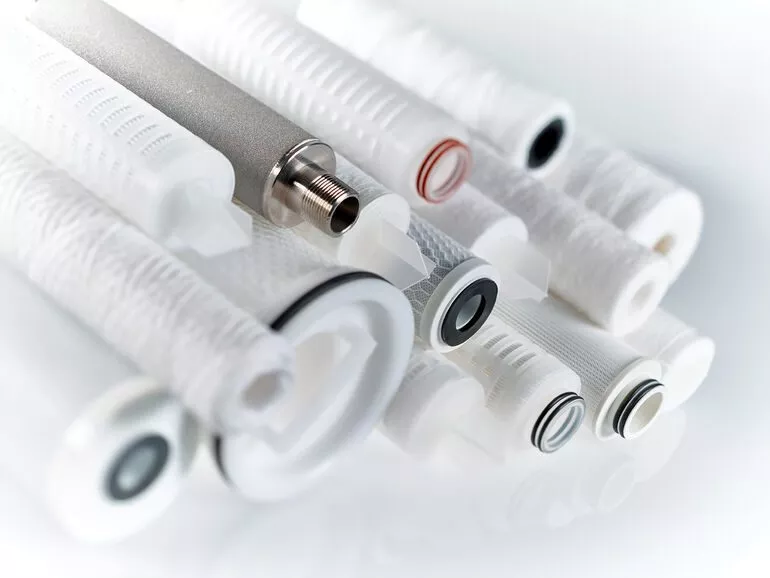
How to Select the Right Membrane for Your System
Selecting the correct membrane involves evaluating water quality, flow rate, operating pressure, and chemical exposure.
Step-by-Step Selection Guide:
Identify Feed Water Quality
Salinity, turbidity, and presence of suspended solids
Determine Pre-Treatment Requirements
Use MF/UF membranes for particulate removal
Protect RO membranes from fouling
Choose Membrane Type Based on Application
RO for complete desalination
NF for partial desalination or water softening
Select Membrane Material
PP, PES, PVDF, or PTFE depending on chemical and temperature requirements
Calculate Flow Rate and Pressure
Ensure chosen membrane meets system’s operational capacity
Plan Maintenance and Replacement
Include cleaning schedule and expected lifespan
Summary
Membrane filters are the backbone of seawater desalination systems. Understanding the types, operating principles, materials, and applications is crucial for optimal performance.
Pressure-driven membranes (MF/UF): Ideal for pre-treatment, protecting RO membranes
Semi-permeable membranes (RO/NF): Main desalination stage, high salt rejection
Material choice (PP, PES, PVDF, PTFE): Determines durability, chemical resistance, and suitability for specific applications
Selecting the right membrane ensures long-term efficiency, lower maintenance, and high-quality freshwater output.
CTA Suggestion:
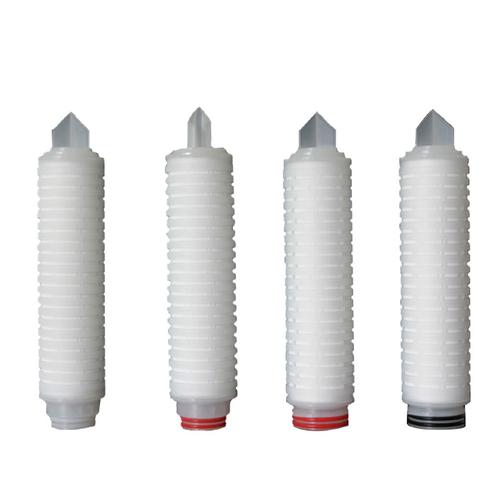
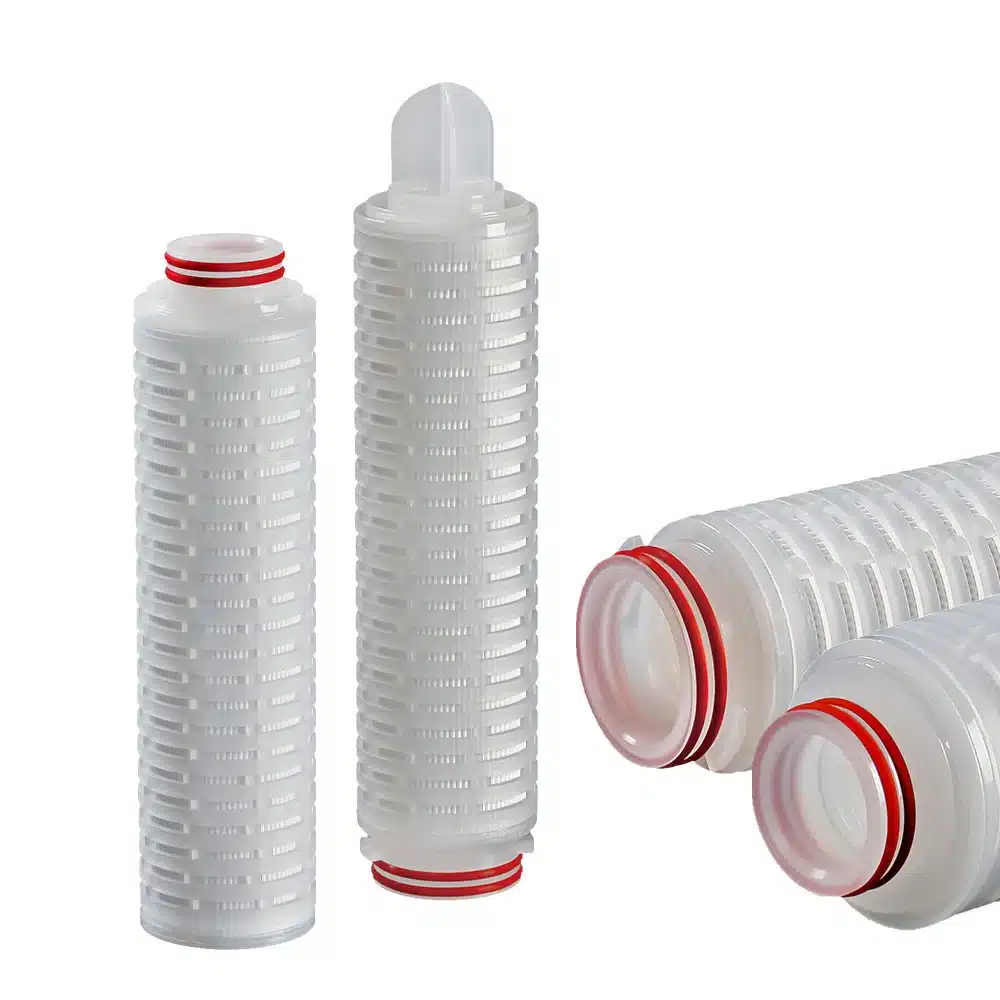
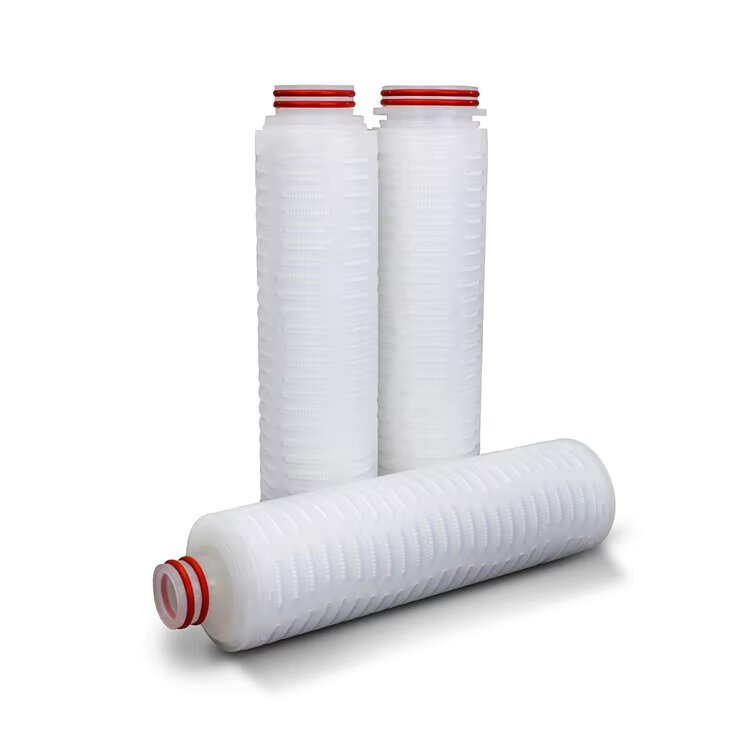
Explore our range of pleated and membrane filter cartridges designed for seawater desalination systems.
Recommended Filter Cartridges

 English
 Spanish