
Selecting Pleated Filter Cartridges for High-Temperature Applications
INTRODUCTION
In many industrial filtration systems, high operating temperatures present significant challenges for filter cartridge performance and longevity. Industries such as chemical processing, power generation, pharmaceuticals, food and beverage production, and oil refining often require filtration solutions capable of operating under elevated temperatures while maintaining filtration efficiency and structural stability.
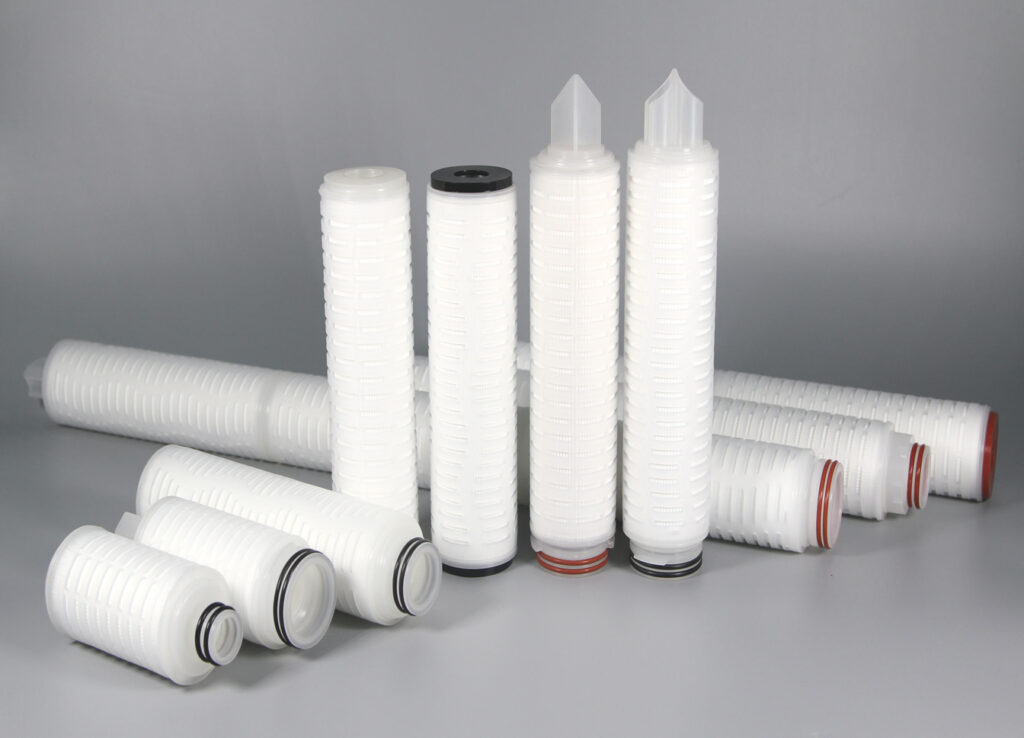
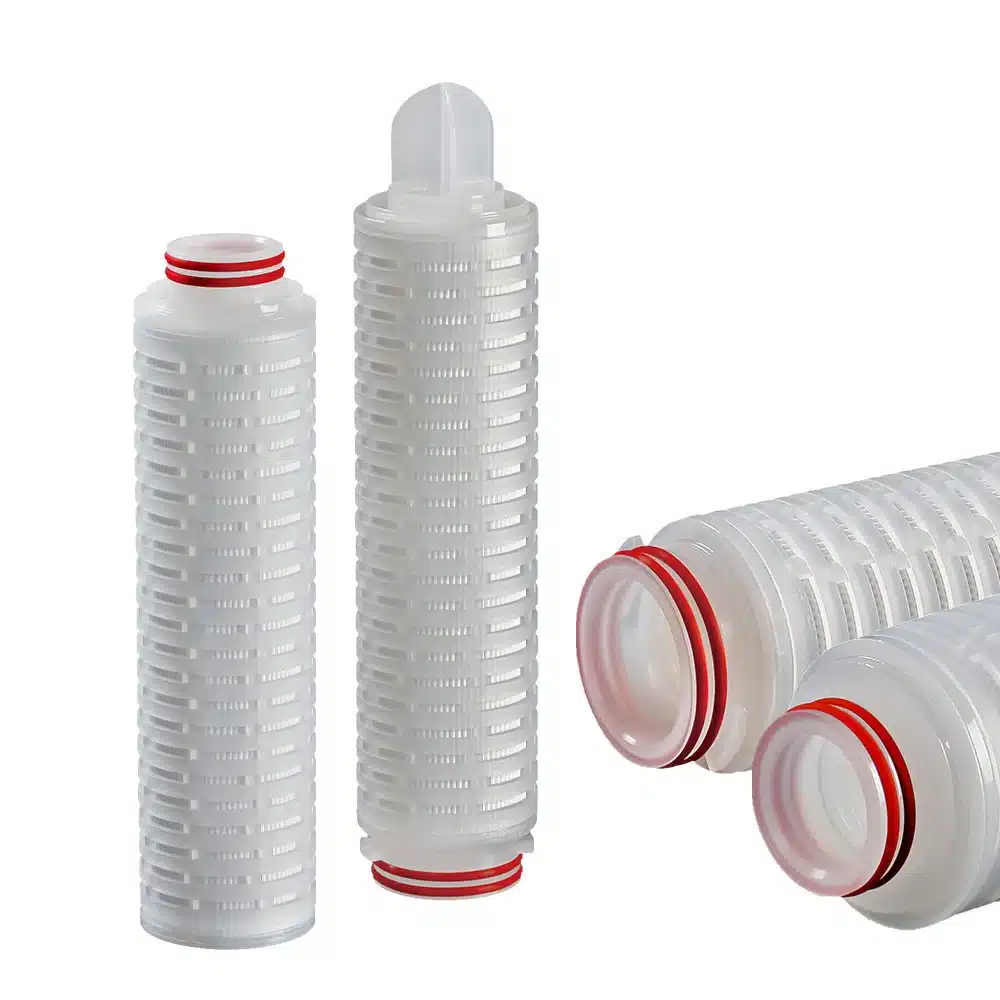
Pleated filter cartridges are widely used in these environments because they offer high filtration area, low pressure drop, and excellent particle retention performance. However, not every filter cartridge is suitable for high-temperature conditions. Choosing the correct filter material, structure, and sealing components is essential to ensure reliable filtration and prevent premature failure.
This article provides a comprehensive guide on how to select the right pleated filter cartridges for high-temperature applications, covering material selection, design considerations, industrial applications, and key performance factors.
1 Understanding High-Temperature Filtration Requirements
High-temperature filtration refers to filtration processes that operate above the temperature limits of standard filtration materials such as polypropylene.
Typical temperature ranges include:
| Temperature Range | Application Examples |
|---|---|
| 60°C – 80°C | Food processing liquids |
| 80°C – 120°C | Chemical solutions |
| 120°C – 180°C | Steam filtration |
| Above 180°C | Specialized industrial processes |
Operating at high temperatures affects filtration systems in several ways:
• Filter media may soften or deform
• Sealing materials may degrade
• Structural components may lose strength
• Filtration efficiency may decline
Therefore, selecting the appropriate pleated filter cartridge requires careful evaluation of both material and design characteristics.
2 Key Materials for High-Temperature Pleated Filter Cartridges
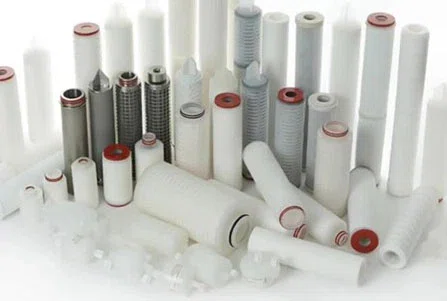
The most critical factor in high-temperature filtration is the filter media material. Different materials have different thermal resistance and chemical compatibility.
PTFE Pleated Filter Cartridge
PTFE (Polytetrafluoroethylene) is one of the most commonly used materials for high-temperature filtration.
Key features:
• Temperature resistance up to 200°C
• Excellent chemical resistance
• Hydrophobic surface
• Suitable for aggressive solvents and gases
Typical applications:
• Chemical processing
• Pharmaceutical production
• High-purity gas filtration
• Semiconductor manufacturing
PVDF Pleated Filter Cartridge
PVDF (Polyvinylidene Fluoride) is another widely used material for moderately high temperatures.
Advantages:
• Operating temperature up to 150°C
• Strong chemical resistance
• Good mechanical strength
• Long service life
Common industries:
• Chemical industry
• Microelectronics
• Water treatment
• Food processing
Nylon Pleated Filter Cartridge
Nylon membranes provide excellent mechanical strength and moderate temperature resistance.
Characteristics:
• Temperature resistance up to 120°C
• Strong solvent resistance
• Hydrophilic membrane structure
Typical uses:
• Pharmaceutical filtration
• Beverage production
• Chemical filtration
3 Structural Design Considerations
Besides material selection, the design of the pleated filter cartridge plays a significant role in high-temperature applications.
High-Strength Core Support
At elevated temperatures, filter media can lose mechanical rigidity. Therefore, a strong support core is essential.
Common core materials:
• Polypropylene reinforced core
• Stainless steel core
• PVDF reinforced core
A reinforced core prevents collapse and maintains pleat spacing under high temperature and pressure conditions.
Pleat Density and Surface Area
Pleated cartridges increase filtration area within a compact structure.
Benefits include:
• Lower pressure drop
• Higher dirt holding capacity
• Longer service life
For high-temperature processes, optimized pleat spacing is important to maintain flow stability.
End Cap Bonding Technology
The bonding between filter media and end caps must withstand thermal expansion and mechanical stress.
Common bonding methods include:
• Thermal welding
• Ultrasonic welding
• Adhesive bonding
High-quality cartridges usually adopt thermal welding, which provides better durability under temperature fluctuations.
4 O-Ring and Sealing Material Selection
Sealing materials must be compatible with both temperature and chemical exposure.
Common options include:
| Material | Max Temperature | Applications |
|---|---|---|
| Silicone | 200°C | Food and pharmaceutical |
| Viton (FKM) | 200°C | Chemical processing |
| EPDM | 150°C | Water treatment |
| PTFE Encapsulated | 220°C | Aggressive chemicals |
Selecting the correct sealing material prevents leakage and ensures system integrity.
5 Typical Industrial Applications
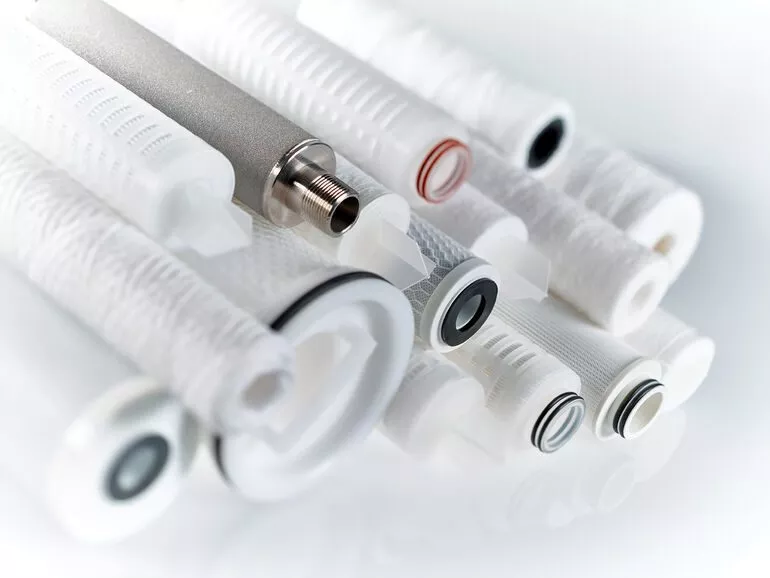
High-temperature pleated filter cartridges are widely used across multiple industries.
Chemical Processing
Chemical plants often filter solvents, acids, and catalysts at elevated temperatures.
Filtration requirements:
• Strong chemical resistance
• High temperature stability
• Long service life
PTFE cartridges are typically preferred.
Food and Beverage Industry
Hot liquid filtration is common in food processing.
Examples:
• Edible oil filtration
• Sugar syrup filtration
• Beverage sterilization filtration
PVDF or Nylon cartridges are frequently used.
Pharmaceutical Industry
Sterile filtration processes sometimes involve hot solutions.
Key requirements:
• High purity filtration
• Bacteria retention
• High temperature tolerance
PTFE membrane cartridges are widely adopted.
Power Plants
Power plants often require filtration of hot condensate or chemicals.
Filter cartridges must withstand:
• High pressure
• High temperature
• Continuous operation
6 Key Performance Parameters to Evaluate
When selecting pleated filter cartridges for high-temperature applications, engineers should evaluate the following parameters.
Maximum Operating Temperature
Ensure the filter cartridge material is rated above the actual operating temperature.
A safety margin of 10-20°C is recommended.
Chemical Compatibility
High temperatures can accelerate chemical reactions.
Check compatibility with:
• acids
• alkalis
• solvents
• oxidizing agents
Filtration Efficiency
Typical micron ratings include:
• 0.1 µm
• 0.22 µm
• 0.45 µm
• 1 µm
• 5 µm
• 10 µm
Choose the appropriate micron rating based on the process requirements.
Pressure Drop
High-temperature fluids may have different viscosity characteristics.
Low pressure drop improves system efficiency and reduces pump load.
7 Advantages of Pleated Filter Cartridges in High-Temperature Systems
Compared with depth filter cartridges, pleated filter cartridges offer several advantages.
Higher filtration surface area
Better filtration precision
Lower pressure drop
Longer service life
Lower operating cost
These benefits make pleated cartridges the preferred choice in many industrial filtration systems.
8 How to Choose a Reliable Pleated Filter Cartridge Manufacturer
Choosing a reliable manufacturer is equally important.
A professional manufacturer should provide:
• strict quality control
• membrane integrity testing
• ISO certified production
• customized filtration solutions
• fast global delivery
Working with experienced manufacturers ensures consistent filtration performance and system reliability.
Conclusion
Selecting the right pleated filter cartridge for high-temperature applications requires a comprehensive evaluation of filtration media, structural design, sealing materials, and operating conditions.
Materials such as PTFE, PVDF, and Nylon offer different levels of temperature resistance and chemical compatibility, making them suitable for various industrial processes. By carefully analyzing the operating environment and filtration requirements, engineers can choose filter cartridges that deliver reliable performance, extended service life, and optimal filtration efficiency.
As industrial processes continue to demand higher temperature stability and filtration precision, high-quality pleated filter cartridges will remain an essential component in modern filtration systems.
View All Our Filter Cartridges

 English
 Spanish