
Complete Guide to Pleated Membrane Filter Cartridges for Industrial Filtration
INTRODUCTION
Industrial filtration systems play a critical role in ensuring product quality, process stability, and equipment protection across a wide range of industries. From water treatment and food & beverage production to pharmaceuticals, microelectronics, and chemical processing, reliable filtration is essential for removing particulate contaminants and maintaining controlled operating conditions.
Among various filtration solutions, the Pleated Membrane Filter Cartridge has become one of the most widely used and trusted filter formats in modern industrial filtration systems. Its combination of high filtration efficiency, large effective surface area, stable performance, and compatibility with diverse process fluids makes it a preferred choice for many critical applications.
This complete guide provides a comprehensive overview of pleated membrane filter cartridges, including their structure, working principles, membrane materials, performance characteristics, applications, and key selection considerations. The goal is to help engineers, procurement managers, and system designers make informed decisions when selecting pleated membrane filter cartridges for industrial use.
1. What Is a Pleated Membrane Filter Cartridge?
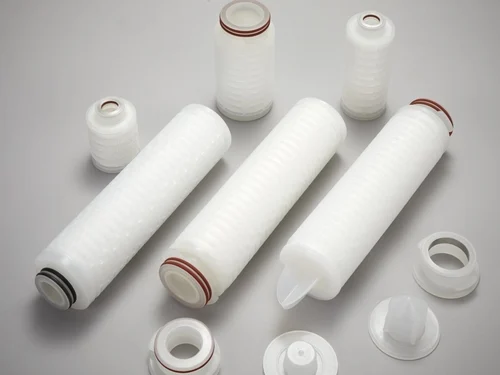
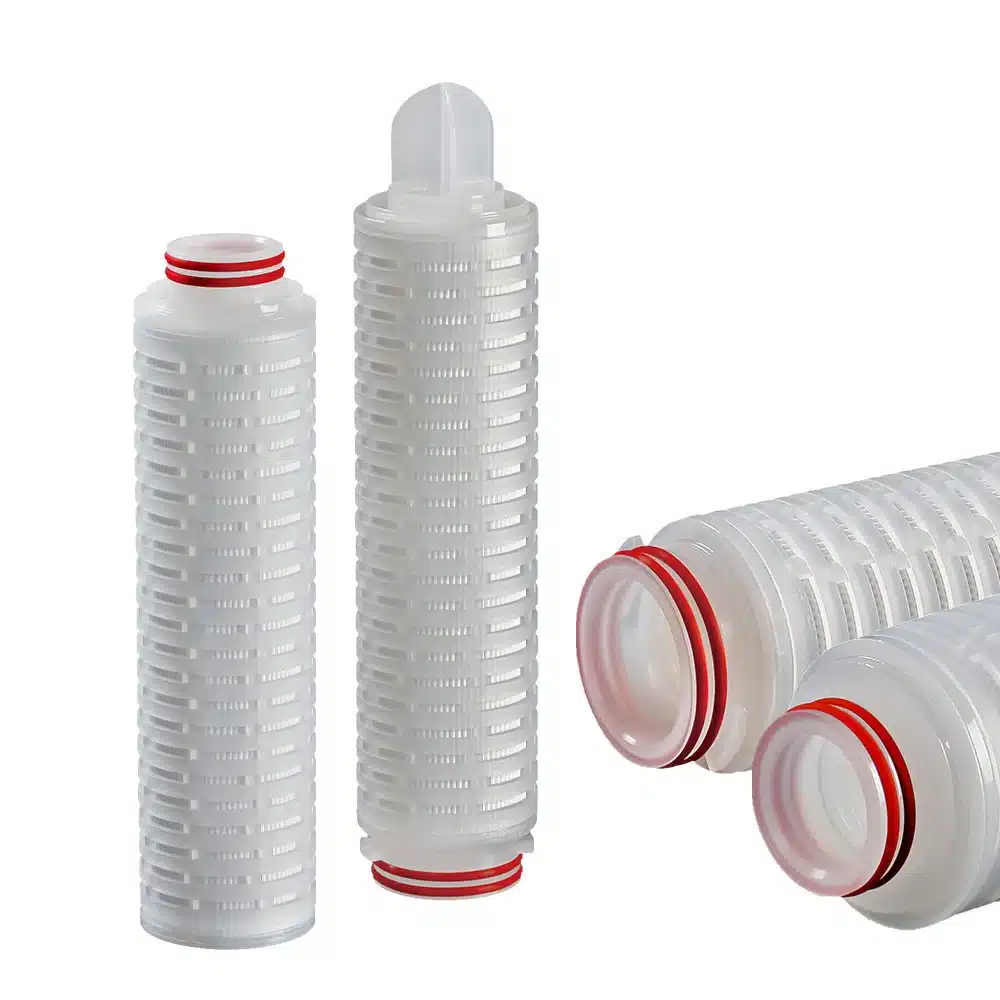
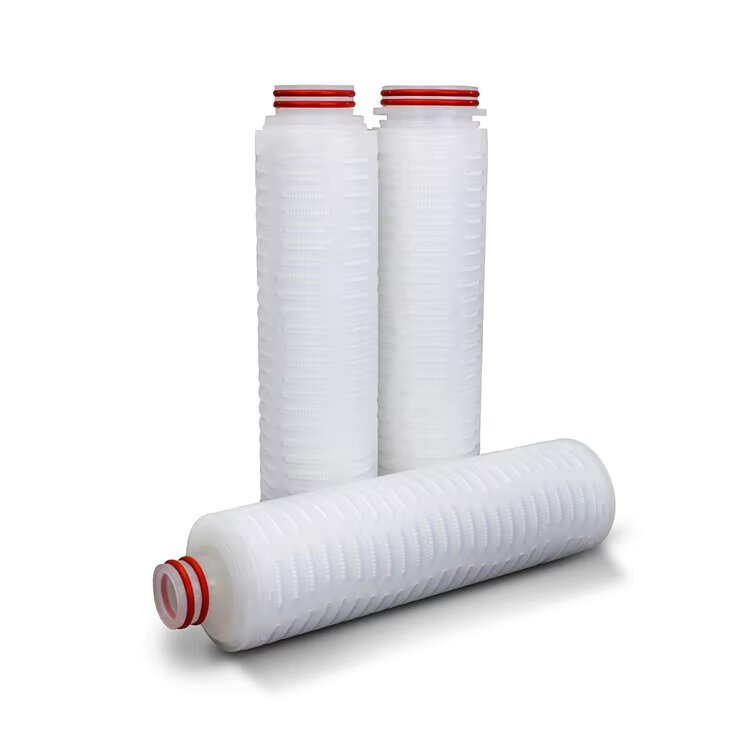
A Pleated Membrane Filter Cartridge is a type of depth-enhanced surface filter that uses a microporous membrane as the primary filtration medium. The membrane is pleated to increase the effective filtration area and is supported by internal and external structural components to maintain mechanical stability during operation.
Unlike traditional depth filters that rely solely on fiber thickness to trap particles, membrane filters provide precise and predictable particle retention based on controlled pore size distribution. Pleating the membrane significantly enhances flow capacity and dirt-holding capability without increasing cartridge size.
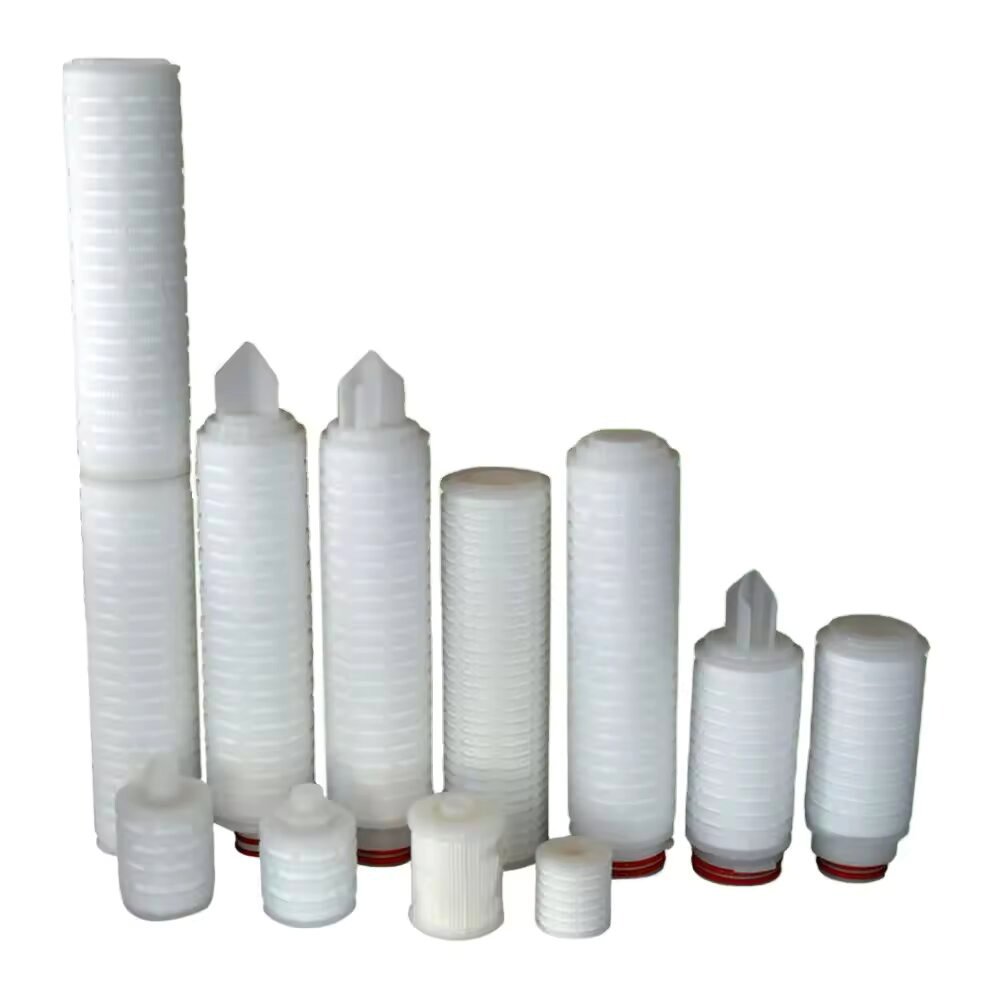
Pleated membrane filter cartridges are typically installed in standard filter housings and are available in various lengths, micron ratings, materials, and end-cap configurations to suit different industrial requirements.

2. Structure and Key Components of Pleated Membrane Filter Cartridges
Understanding the structure of a pleated membrane filter cartridge is essential for evaluating its quality and performance.
2.1 Membrane Filtration Media
The membrane is the core functional component of the cartridge. It determines:
Filtration efficiency
Particle retention accuracy
Chemical compatibility
Temperature resistance
Common membrane materials include PP, PES, PVDF, Nylon, and PTFE, each offering different performance characteristics for specific applications.
2.2 Pleated Design and Effective Filtration Area
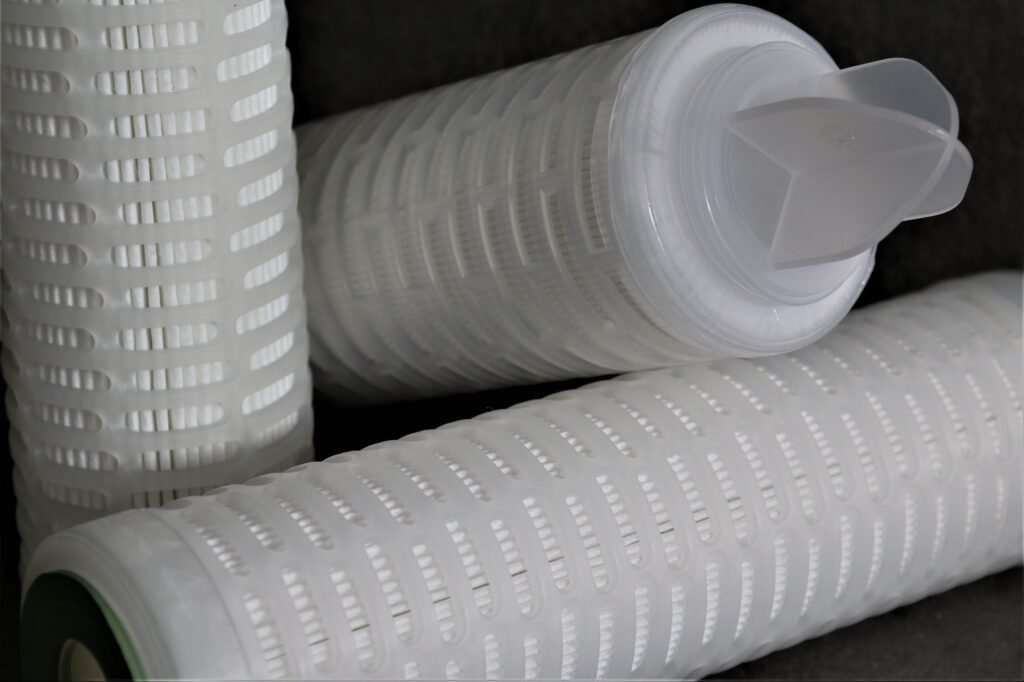
Pleating increases the surface area of the membrane, allowing:
Higher flow rates
Lower initial pressure drop
Longer service life
Uniform pleat spacing and strong pleat bonding are critical to ensuring even flow distribution and preventing premature clogging or media collapse.
2.3 Support Layers and Drainage Structure
Support layers are placed upstream and downstream of the membrane to:
Protect the membrane from mechanical damage
Improve structural strength
Maintain consistent flow paths
High-quality pleated membrane filter cartridges use thermally bonded or melt-blown support layers to avoid adhesive contamination.
2.4 End Caps, Core, and Sealing System
Structural components such as end caps, center core, and gaskets ensure:
Secure installation
Leak-free sealing
Resistance to differential pressure
All-polypropylene construction is common for broad chemical compatibility, while gasket materials may vary depending on application requirements.
3. How Pleated Membrane Filter Cartridges Work
Pleated membrane filter cartridges operate primarily through surface filtration, where particles larger than the membrane pore size are retained on the upstream surface of the membrane.
In some designs, graded pore structures and support layers also provide partial depth filtration, enhancing dirt-holding capacity.
Key operational characteristics include:
High initial filtration efficiency
Stable performance throughout service life
Predictable pressure drop behavior
Because membrane pore size is precisely controlled, pleated membrane filter cartridges are ideal for applications requiring consistent and validated filtration performance.
4. Membrane Materials Used in Pleated Membrane Filter Cartridges
Selecting the correct membrane material is one of the most important decisions in cartridge selection.
4.1 Polypropylene (PP) Membrane Filter Cartridge
PP membrane pleated filter cartridges are widely used due to:
Excellent chemical resistance
Cost-effectiveness
Compatibility with water and many process fluids
They are commonly applied in water treatment, pre-filtration, and general industrial processes.
4.2 Polyethersulfone (PES) Membrane Filter Cartridge
PES membrane cartridges offer:
High flow rates
Low protein binding
Excellent hydrophilicity
They are widely used in pharmaceutical, biotechnology, and food & beverage applications where cleanliness and consistency are critical.
4.3 Polyvinylidene Fluoride (PVDF) Membrane Filter Cartridge
PVDF membranes provide:
Superior chemical resistance
High mechanical strength
Broad temperature tolerance
PVDF pleated membrane filter cartridges are suitable for aggressive chemical environments and high-purity water systems.
4.4 Nylon and PTFE Membranes Filter Cartridge
Nylon membranes offer excellent solvent compatibility and are often used in chemical and laboratory filtration.
PTFE membranes provide extreme chemical resistance and are ideal for aggressive solvents and gas filtration applications.
5. Micron Rating and Filtration Efficiency
5.1 Nominal vs Absolute Ratings
Pleated membrane filter cartridges are often described using:
Nominal micron ratings (percentage-based retention)
Absolute micron ratings (near-total particle retention)
Membrane filters are more likely to offer absolute or near-absolute filtration performance compared to traditional depth filters.
5.2 Importance of Consistent Pore Size Distribution
Uniform pore size distribution ensures:
Reliable filtration performance
Reduced risk of particle breakthrough
Compliance with critical process requirements
High-quality manufacturers carefully control membrane production and pleating processes to maintain consistency across batches.
6. Flow Rate, Pressure Drop, and Service Life
6.1 Flow Performance
Pleated membrane filter cartridges offer higher flow rates than flat-sheet membrane filters due to increased surface area. Actual flow performance depends on:
Membrane material
Micron rating
Cartridge length and pleat density
6.2 Pressure Drop Characteristics
A low and stable pressure drop:
Improves energy efficiency
Extends cartridge service life
Protects downstream equipment
Pressure drop should increase gradually as contaminants accumulate, not spike prematurely.
6.3 Dirt-Holding Capacity and Replacement Interval
Effective pleating and strong support layers allow pleated membrane filter cartridges to hold more contaminants before replacement, reducing maintenance frequency and total operating costs.
7. Industrial Applications of Pleated Membrane Filter Cartridges
Pleated membrane filter cartridges are used across numerous industries, including:
7.1 Water Treatment
RO pre-filtration
Process water polishing
Drinking water systems
7.2 Food and Beverage
Beverage clarification
Ingredient filtration
Process water filtration
7.3 Pharmaceutical and Biotechnology
API filtration
Buffer and media filtration
Sterile filtration support
7.4 Electronics and Microelectronics
Ultra-pure water systems
Chemical delivery filtration
7.5 Chemical and Industrial Processing
Solvent filtration
Catalyst protection
Process fluid clarification
8. Manufacturing and Quality Control Considerations
High-quality pleated membrane filter cartridges are produced under controlled manufacturing conditions, often in cleanroom environments.
Key quality control practices include:
Raw material inspection
In-process dimensional checks
Integrity testing
Batch traceability
Manufacturing quality directly affects filtration performance, cleanliness, and long-term reliability.
9. How to Select the Right Pleated Membrane Filter Cartridge
When selecting a pleated membrane filter cartridge, buyers should consider:
Application requirements
Fluid compatibility
Operating temperature and pressure
Required micron rating
Housing compatibility
Consulting with experienced manufacturers can help optimize cartridge selection for specific systems.
10. Conclusion
The Pleated Membrane Filter Cartridge is a cornerstone component in modern industrial filtration systems. Its precise filtration performance, high flow capacity, and adaptability across industries make it an essential solution for applications where reliability and consistency matter.
By understanding cartridge structure, membrane materials, filtration principles, and quality considerations, users can make informed decisions that improve system performance and reduce long-term operating costs.
Choosing a reliable pleated membrane filter cartridge is not just about meeting technical specifications—it is about ensuring stable processes, protecting equipment, and maintaining product quality throughout the filtration lifecycle.
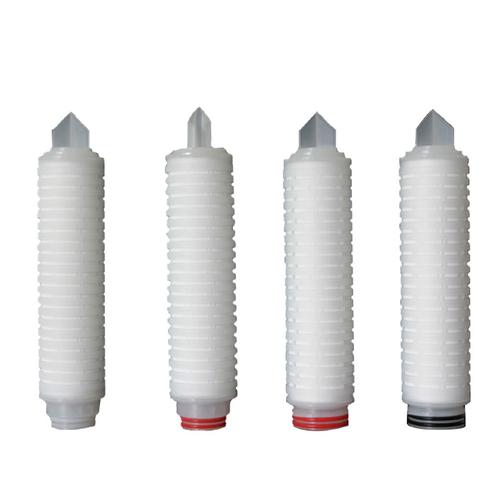
Recommended Filter Cartridges

 English
 Spanish