
Pleated Filter Cartridge Selection Guide: Size, Media & Performance
INTRODUCTION
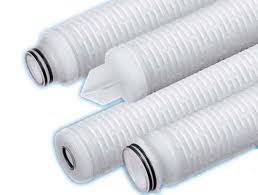
Selecting the right pleated filter cartridge is a critical decision for any industrial filtration system. Whether used in water treatment, food and beverage processing, pharmaceuticals, microelectronics, or chemical industries, the performance of a filtration system largely depends on how well the filter cartridge matches the actual operating conditions.
Unlike depth filter cartridges, pleated filter cartridges offer higher filtration efficiency, larger surface area, and lower pressure drop. However, these advantages can only be fully realized if the cartridge is selected correctly. Incorrect selection may lead to premature clogging, reduced flow rate, higher operating costs, or even system failure.
This technical selection guide focuses on the key engineering and performance factors that must be considered when choosing a pleated filter cartridge. It is designed for engineers, procurement professionals, and system integrators who require a practical yet technically sound framework for cartridge selection.
1. Understanding Filtration Efficiency & Retention Rating
Filtration efficiency defines how effectively a pleated filter cartridge can remove particles from a fluid stream. It is typically expressed as a percentage at a given particle size.
For example:
99% efficiency at 10 microns means 99 out of 100 particles of 10 microns are retained.
Higher efficiency generally means better protection for downstream equipment or processes.
Key Considerations:
Critical particle size in your process
Sensitivity of downstream components (membranes, valves, pumps)
Required cleanliness level of the filtered fluid
In industrial applications, overly high efficiency is not always ideal. Over-specifying efficiency can increase pressure drop and shorten service life. The goal is to balance efficiency with system performance and cost.
2. Nominal vs Absolute Micron Rating
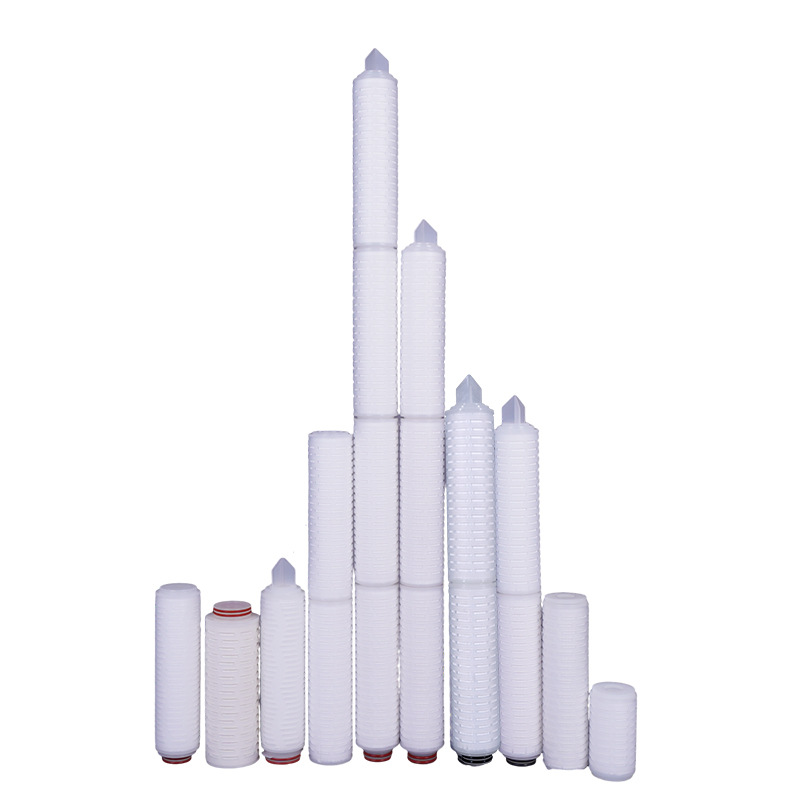
One of the most misunderstood aspects of pleated filter cartridge selection is micron rating.
Nominal Micron Rating
Represents an approximate filtration level
Typically captures 60–90% of particles at the stated micron size
Commonly used in general industrial and pre-filtration applications
Absolute Micron Rating
Indicates a much higher retention efficiency (usually ≥99.9%)
Tested using standardized methods such as multi-pass testing
Essential for critical processes requiring consistent filtration quality
Selection Guidelines:
Use nominal-rated cartridges for bulk filtration or pre-filtration
Choose absolute-rated cartridges for final filtration or critical applications such as:
Pharmaceutical production
Microelectronics
High-purity water systems
Understanding this distinction helps prevent both under-filtration and unnecessary cost escalation.
Learn More>> Membrane Filter Cartridge Micron Rating Selection Guide
3. Filter Media Performance Comparison
The filter media is the core component of any pleated filter cartridge. Different materials offer distinct advantages depending on chemical compatibility, temperature resistance, and filtration performance.
Polypropylene (PP) Filter Cartridge
Excellent chemical resistance
Suitable for most water-based and chemical applications
Cost-effective and widely used
Common in water treatment and general industrial filtration
Polyvinylidene Fluoride (PVDF) Filter Cartridge
Superior chemical and thermal resistance
Hydrophilic options available
Ideal for aggressive chemicals and pharmaceutical applications
Nylon (Polyamide) Filter Cartridge
Naturally hydrophilic
Good mechanical strength
Suitable for aqueous solutions and solvents
Polytetrafluoroethylene (PTFE) Filter Cartridge
Outstanding chemical compatibility
High temperature resistance
Often used for aggressive solvents and gas filtration
Typically more expensive
Media Selection Tips:
Match media chemistry with fluid composition
Consider operating temperature and pH range
Evaluate long-term exposure rather than short-term compatibility
Learn More>> Pleated Filter Cartridge Filter Media Selection Guide
4. Flow Rate, Differential Pressure & System Design
Flow rate and pressure drop are interconnected parameters that significantly affect system efficiency.
Flow Rate
Determines how much fluid passes through the cartridge per unit time
Must align with system capacity and process requirements
Differential Pressure (ΔP)
The pressure difference between inlet and outlet
Increases as particles accumulate on the filter surface
Excessive ΔP can reduce flow and damage equipment
Best Practices:
Select cartridges with sufficient effective filtration area
Avoid operating continuously near maximum rated flow
Monitor ΔP to determine optimal replacement timing
High-flow pleated cartridges are often selected for applications requiring large volumes with minimal footprint, helping reduce housing size and operational cost.
Learn More>> How to Select Cartridge Filter Flow Rate for Filtration Need
5. Cartridge Dimensions & Housing Compatibility
Even the best-performing filter cartridge will fail if it does not fit properly into the filter housing.
Key Dimensional Factors:
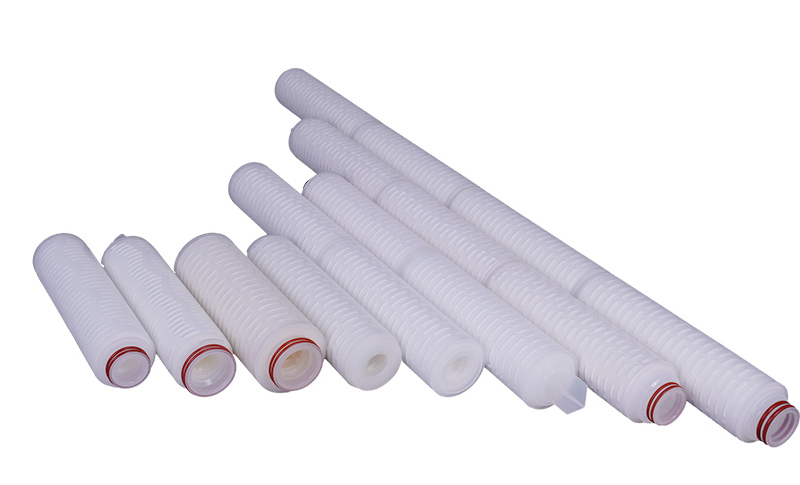
Cartridge length (10”, 20”, 30”, 40”)
Outer diameter and inner diameter
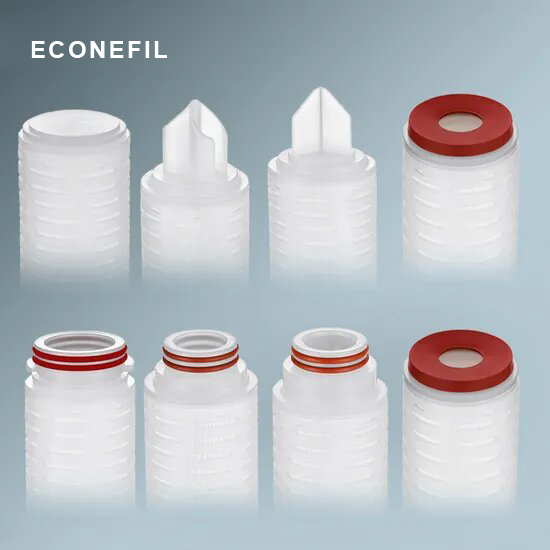
End cap configuration (DOE, SOE, 222, 226, etc.)
Compatibility Checklist:
Match cartridge length to housing specifications
Ensure correct end cap and sealing method
Verify gasket or O-ring material compatibility
Improper fit can result in bypass, leakage, or reduced filtration efficiency, making dimensional accuracy a non-negotiable factor in cartridge selection.
Learn More>> How to Choose Filter Cartridge End Caps for Filtration
6. Thermal Resistance & Chemical Compatibility
Operating temperature and chemical exposure directly affect cartridge lifespan and filtration stability.
Thermal Considerations:
Each filter media has a maximum continuous operating temperature
High temperatures can deform media or compromise seals
Chemical Compatibility:
Assess fluid pH, solvent presence, oxidizing agents
Consider cleaning or sterilization chemicals if applicable
Practical Advice:
Always evaluate worst-case operating conditions
Consult compatibility charts or manufacturer technical support
Do not rely solely on short-term testing results
7. Cleanability & Reusability Considerations
In some industrial applications, pleated filter cartridges are designed for single-use, while in others they may be cleaned and reused multiple times. Understanding whether cleanability is required can significantly influence media selection, operating cost, and maintenance strategy.
When Reusable Cartridges Make Sense
Reusable pleated cartridges are commonly applied in:
Pre-filtration stages
Low to moderate contamination systems
Applications where downtime and replacement costs are critical concerns
Cleaning Methods
Different filter media respond differently to cleaning processes:
Backwashing: Suitable for mechanically strong media such as PP or Nylon
Chemical cleaning: Requires media with strong chemical resistance (PVDF or PTFE)
Hot water or steam flushing: Only possible with heat-resistant materials
Limitations of Reuse
Filtration efficiency may decline after repeated cleaning
Structural integrity of pleats may weaken over time
Not recommended for absolute-rated or critical final filtration
Selection Tip:
If reusability is required, prioritize mechanical strength and chemical resistance over maximum filtration efficiency.8. Regulatory & Industry Standards (FDA, ISO, and Others)
Compliance with industry standards is essential in regulated sectors such as food & beverage, pharmaceuticals, and microelectronics.
Common Standards to Consider
FDA Compliance
Required for food, beverage, and pharmaceutical applications
Ensures materials are safe for contact with consumable products
Common for PP, PVDF, and Nylon media
ISO Standards
ISO 9001: Quality management systems
ISO 16889: Multi-pass testing for filtration efficiency
Provides confidence in product consistency and performance validation
Other Industry Requirements
USP Class VI (pharmaceutical applications)
EU regulations for food-contact materials
Industry-specific cleanliness or validation protocols
Why Standards Matter
Reduce qualification time for end users
Simplify approval processes
Enhance trust in supplier reliability
Choosing a pleated filter cartridge that meets the necessary certifications minimizes compliance risks and avoids costly system revalidation.
9. How Cartridge Selection Impacts Operating Cost
The true cost of a pleated filter cartridge goes far beyond the initial purchase price. A technically optimized selection can significantly reduce total cost of ownership (TCO).
Key Cost Factors
Cartridge unit price
Service life and replacement frequency
Downtime during cartridge changeout
Energy consumption due to pressure drop
Disposal and waste management costs
Cost Optimization Strategies
Select appropriate micron rating rather than over-specifying
Use high-surface-area pleated cartridges to extend service life
Balance flow rate and pressure drop to reduce energy usage
Standardize cartridge sizes to simplify inventory management
In many cases, a slightly higher-quality cartridge results in lower long-term cost due to extended lifespan and reduced maintenance frequency.
10. Final Checklist Before Purchasing Pleated Filter Cartridges
Before finalizing your selection, it is recommended to review the following technical checklist to ensure all critical factors have been addressed.
Technical Checklist
Required micron rating (nominal or absolute)
Filtration efficiency and retention performance
Filter media compatibility with fluid and chemicals
Operating temperature and pressure limits
Required flow rate and acceptable pressure drop
Cartridge dimensions and housing compatibility
End cap configuration and sealing method
Cleanability or disposability requirements
Compliance with regulatory and industry standards
Supplier technical support and customization capability
This checklist helps prevent costly mistakes and ensures that the selected cartridge meets both current and future process requirements.
Conclusion
Selecting the right pleated filter cartridge is a multi-dimensional engineering decision that requires careful evaluation of filtration performance, system design, operating conditions, and long-term cost implications.
By understanding key technical factors such as micron rating, filter media performance, flow dynamics, chemical compatibility, regulatory compliance, and lifecycle cost, engineers and procurement professionals can make informed decisions that improve system reliability and efficiency.
A well-selected pleated filter cartridge not only protects downstream equipment and product quality but also contributes to stable operation, reduced maintenance, and optimized total cost of ownership.
For complex or demanding applications, working with an experienced pleated filter cartridge manufacturer that provides technical guidance and customization support can further enhance system performance and long-term value.
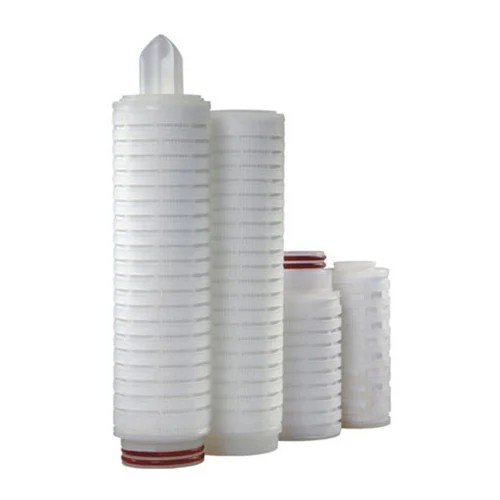
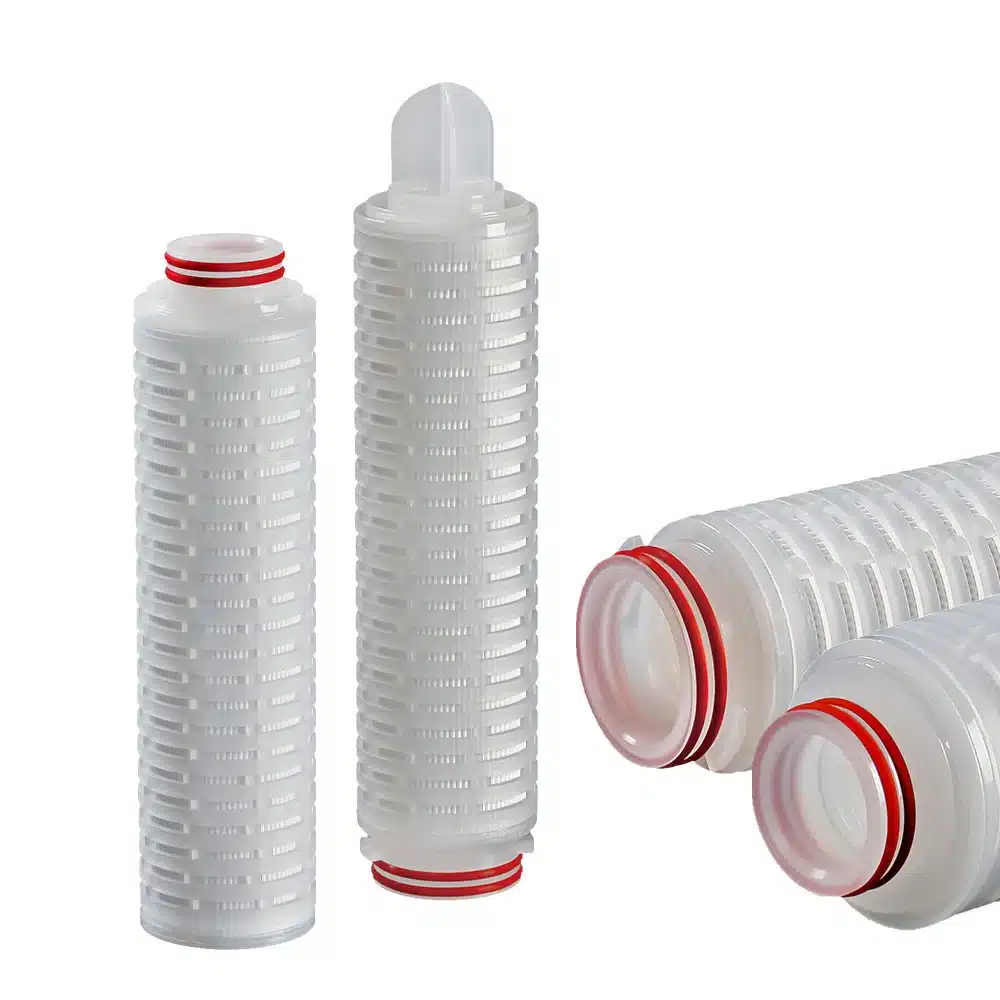
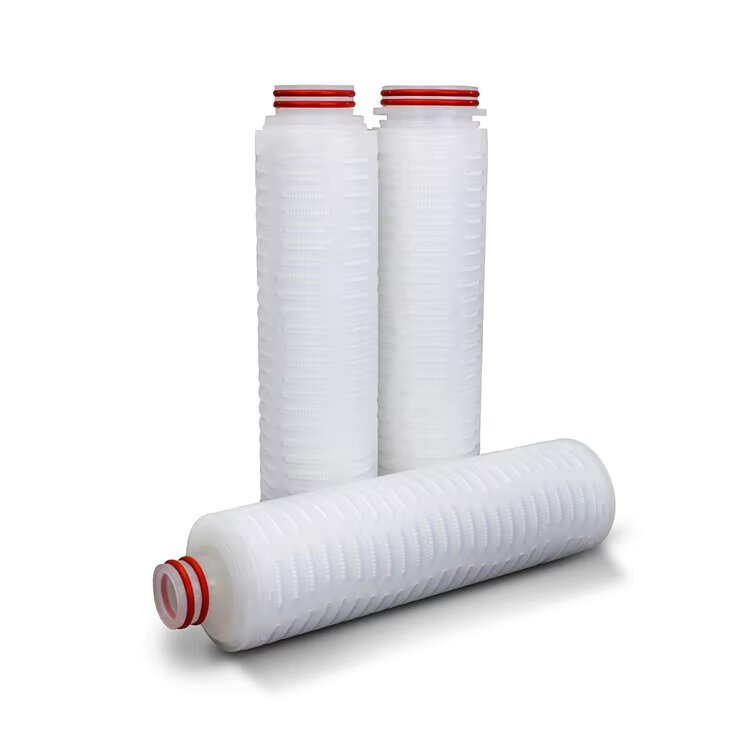
Recommended Filter Cartridges

 English
 Spanish